Cricket Team Uniforms aren’t just about matching shirts for a team photo. They actually help create a clear identity even before the ball is bowled. When players step onto the pitch wearing similar colors, fans can spot them right away, and even opponents know who’s with who. That little psychological nudge can actually make a difference, even if it’s hard to measure.
Marcus Lee, who’s in charge of Cricket Apparel development at FieldCraft Sportswear, puts it simply: “A good uniform should support movement, comfort, and confidence—you don’t want it just to look good.” He's speaking from practical experience. For instance, a batter needs free-flowing shoulder movement, while a wicketkeeper benefits from stretchy fabric around the hips and knees. Breathable panels can make a huge difference during long innings under the scorching sun. Plus, reinforced seams help the uniform stand up to all that washing and sliding around.
Basically, if players aren’t comfortable, their performance will suffer. So, comfort really is the foundation.
But here’s the thing—designing a uniform isn’t some magical fix. No matter how stylish the shirt, it won’t make up for poor training or weak teamwork. Some teams pick fabrics based on looks alone without testing them in humid, sweaty conditions, and that can lead to heaviness and distraction on the field. It’s important to work with trustworthy suppliers who check all the details—sizing, color durability, moisture-wicking, and consistent delivery. A responsible custom cricket uniforms wholesaler should be able to send you samples before committing to a big order. It’s best to actually try those samples out during practice rather than just eyeballing them in a showroom. This extra step might slow things down a bit, but it helps catch issues like tight sleeves, see-through fabric, or fading colors. At the end of the day, great uniforms are about balancing function, team identity, and honest evaluation. The coolest design isn’t necessarily the loudest or most flashy. Often, the best uniform is the one players forget they’re even wearing—that’s when they can truly focus on the game.
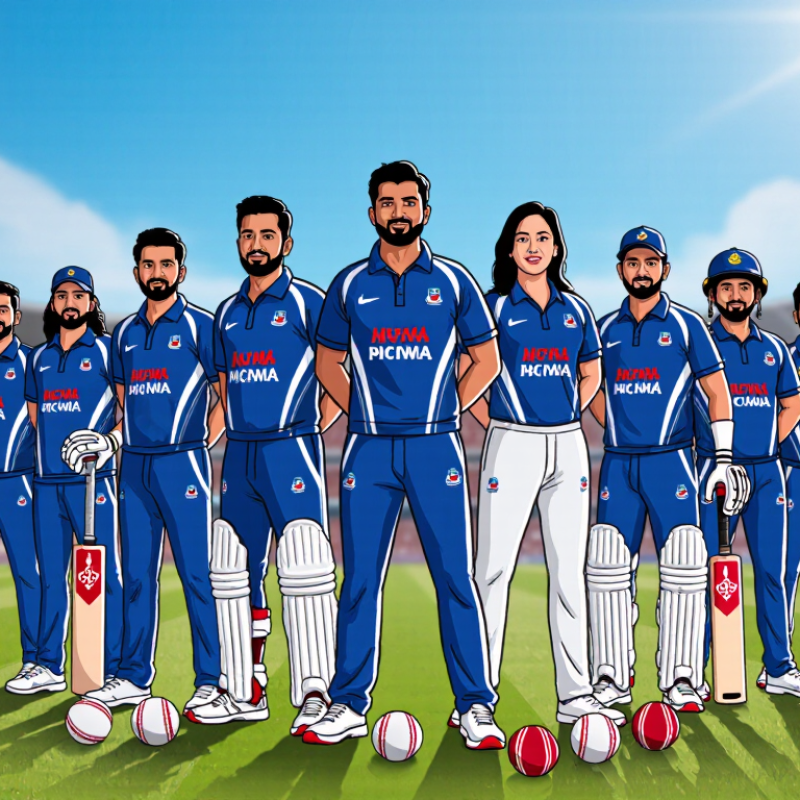
The Role of Cricket Uniforms in Team Identity
A cricket uniform is more than matching fabric. It gives players a visible identity before the first ball is bowled. The International Cricket Council’s 2018 global fan study estimated cricket’s worldwide following at 2.5 billion people. That scale makes team recognition valuable, especially during televised matches and crowded tournaments. A consistent shirt, cap, and trouser color help supporters identify their side quickly. They also create a shared feeling in the dressing room.
Small details matter. A player adjusts the collar, checks the printed number, and walks onto the field with teammates dressed alike. This repeated ritual can strengthen belonging and professional focus. Research published in the Journal of Sport Behavior has linked team identification with stronger emotional attachment among sports supporters. The evidence is not perfect, but it supports what coaches often observe: clothing can influence how players represent their group. Soccer Team Uniforms serve a similar purpose, yet cricket uniforms must also support long periods of movement, heat, and repeated washing.
Comfort remains essential. A beautiful uniform that traps heat can damage concentration. Poor sizing can distract a batter during a delivery. Teams should test fabric, seam placement, visibility, and fit in real match conditions. Not every design decision will succeed. That is worth admitting. Identity grows through shared use, not decoration alone. A muddy sleeve, a faded number, or a carefully repaired cuff may eventually carry more meaning than a flawless launch.
Key Components of a Standard Cricket Uniform
Why Are Cricket Team Uniforms Essential for Teams?
A standard cricket uniform combines a collared shirt, trousers, socks, footwear, and protective equipment. Each piece supports movement, comfort, or safety during long matches. The shirt usually uses breathable fabric to manage sweat under strong sunlight. Reinforced trousers help players slide, bend, and run without constant adjustment. Small details matter.
Proper cricket shoes provide grip when players accelerate, stop, or bowl. Their soles should suit the playing surface, whether grass or a firmer training area. A cap or sun hat protects the face and improves visibility. In colder conditions, players may add a knitted sweater or sleeveless vest. These layers should preserve shoulder movement. I have seen poorly fitted clothing distract players more than expected.
Protective components complete the standard match uniform. A helmet, abdominal guard, pads, gloves, and arm protection reduce injury risks during fast deliveries. These items must fit securely, but comfort still affects concentration. Team colors and matching designs also improve identification on the field. They create a shared appearance without replacing skill or discipline. A uniform cannot fix weak communication. That remains a team problem.
Players should inspect seams, fasteners, shoe grip, and protective padding before every match. Washing mistakes can shrink fabric or weaken elastic parts. Coaches and equipment managers should record common fit issues, especially among developing players. Uniform planning is practical, not merely visual. Even experienced teams can overlook the discomfort caused by wet socks or loose gloves.
Why Are Cricket Team Uniforms Essential?
A standard cricket uniform combines six practical components that support team identity, comfort, movement, weather protection, and safety during matches.
The chart shows the typical number of each core uniform component used by one player on match day. Shirts, trousers, socks, and cricket shoes form the basic playing outfit, while caps or sunhats and sweaters or vests provide head and weather protection when conditions require them.
How Uniforms Support Player Performance and Safety
Cricket uniforms support performance by managing heat, movement, and moisture during long spells. A lightweight, breathable shirt can reduce trapped sweat around the shoulders and back. This matters in humid conditions, where discomfort can affect concentration and footwork. The Centers for Disease Control and Prevention reports more than 700 heat-related deaths annually in the United States. Cricket players face different conditions, but the risk deserves attention.
A well-fitted uniform should allow a full bowling action without pulling across the chest. Stretch panels can help, while flat seams may reduce rubbing under protective equipment. Loose fabric is not always better. It can catch on equipment or distract a player during a sprint. International cricket clothing guidance also emphasizes visible team identification and appropriate protective layers. However, clothing alone cannot prevent heat illness. Water breaks, shade, and medical monitoring remain essential.
Safety also depends on material testing and accurate sizing. A shirt should not restrict arm rotation, and trousers should sit securely during sliding. Coaches can compare cricket designs with Hockey Team Uniforms, but the sports have different movement demands. That comparison may be useful, yet imperfect. A 2023 sports injury surveillance review in the British Journal of Sports Medicine linked workload and environmental stress with injury risk in elite sport. Uniforms cannot solve poor workload planning. They can, however, remove small hazards that accumulate across a five-day match. Teams should test garments in real training, not only inspect them on a mannequin.
Uniform Rules and Standards in Organized Cricket
Cricket uniforms are essential because organized matches demand quick recognition, consistent safety, and visible team identity. Yet appearance is only one part of the standard. The Marylebone Cricket Club’s Laws of Cricket, 2017 Code, contains 42 Laws governing match conduct and equipment. Its framework supports a simple principle: clothing must not distract players or officials. A clean white shirt, numbered colored jersey, and matching trousers make roles easier to identify under changing light.
Uniform rules also protect fairness. International playing conditions commonly require approved clothing colors, visible player numbers, and controlled advertising areas. Match officials may reject garments that clash with the ball, resemble an opponent’s kit, or create unsafe loose fabric. The International Cricket Council’s 2023 Cricket World Cup reporting recorded more than 1.2 billion global viewers, showing why visual clarity matters beyond the stadium. One unclear number can confuse television audiences, scorers, and fielders.
Practical testing should happen before competition. Players should run, slide, and raise their arms in the actual shirt. Seams can pull. Pale fabric may become transparent when wet. These details are easy to miss. Teams should also check contrast against grass, boundary boards, and digital broadcast backgrounds. Standards are not always perfect; a uniform approved on paper may still feel restrictive during a long spell. That weakness deserves review, not excuses. Regular inspections, documented measurements, and feedback from players and officials create a more reliable system. (Sources: MCC Laws of Cricket, 2017 Code; ICC Men’s Cricket World Cup 2023 official report.)
The Importance of Comfort, Fit, and Material Selection
Why Are Cricket Team Uniforms Essential for Teams?
Comfort, fit, and material selection directly affect how cricketers perform. A player may spend hours standing, sprinting, batting, or diving. Tight fabric can restrict shoulder movement during a powerful shot. Loose sleeves may catch during a quick throw. The uniform should move with the body, not fight against it. Small details matter.
A practical fitting session can reveal problems before match day. Players should bend, raise both arms, and run several steps while wearing the full kit. The waistband must stay secure without pressing the stomach. Seams should feel smooth beneath protective equipment. Ventilated panels can help release heat, especially during humid afternoon matches. However, very thin material may tear during a slide. That trade-off deserves careful testing.
Material choice also influences comfort and maintenance. Moisture-managing fabric can reduce the heavy, damp feeling caused by sweat. A lightweight blend may dry faster after washing, but some blends hold unpleasant odors. This is easy to overlook. Teams should check stitching, color stability, and shrinkage after repeated washing. Clear sizing records improve consistency when new players join. Cricket uniforms should not be treated like Dance Team Uniforms; cricket demands different stretch points, durability, and protection around active movement. No uniform is perfect. Even experienced teams may discover rubbing or overheating after several matches, so player feedback should guide the next design adjustment.
How Team Uniforms Promote Unity and Professionalism
In cricket, Team Uniforms do more than identify players on a crowded field. A shared shirt creates a visible sense of belonging before the first ball is bowled. Players arrive in matching colors, carry similar expectations, and enter practice with a clearer collective purpose. This effect is practical, not magical. A uniform cannot repair poor communication. It can, however, remind players that each role supports the same team plan.
From a coach’s experience, consistency matters during training. Matching caps and numbered shirts help staff track field positions quickly. They also make substitutions easier to communicate during noisy weekend matches. Good cricket clothing should allow shoulder movement, resist heavy sweat, and remain comfortable in changing weather. A loose collar or rough seam can distract a batter for an entire innings. Small details matter. Reliable teams check sizing before ordering. They also keep spare shirts available, because laundry delays and accidental stains happen.
Uniforms also shape professionalism outside competition. Players often stand straighter when meeting officials or welcoming visiting teams. That behavior supports respect and presents a serious club culture. Still, appearance should not measure talent. Expensive fabric does not create discipline, and identical clothing cannot erase differences in confidence or background. Teams should discuss fit, affordability, and cultural comfort before choosing a design. Sometimes the first choice looks impressive but performs badly after repeated washing. Honest feedback improves the next kit. During a close match, a clean shirt, clear number, and shared color can quietly restore focus under pressure.
Men’s Cricket Jersey Guide: Performance Insights from Grand View Research’s Sports Apparel Market Report
Men’s cricket apparel is evolving from basic teamwear into performance-focused equipment that supports mobility, comfort, and visual identity. Grand View Research estimates that the global sports apparel market reached approximately USD 248.5 billion in 2023 and projects a compound annual growth rate of about 6.8% from 2024 to 2030. This expansion reflects rising demand for technically designed garments that can perform across training sessions, league fixtures, and tournament conditions.
The Custom Sublimated Orange & Pink Cyber Gradient Cricket V-Neck Jersey responds to these expectations with ultra-breathable micro-mesh fabric designed to promote airflow during intense play. Its lightweight construction can help players remain comfortable through long innings, while the V-neck collar supports a relaxed, athletic fit without restricting movement around the shoulders and arms. The golden-orange upper body, neon pink fade, cyan circuit detailing, and honeycomb grid create a distinctive team appearance, while full sublimation helps maintain the graphic design through regular wear and washing.
For competitive clubs and modern leagues, coordinated apparel can also strengthen squad identity and improve on-field visibility. The jersey’s customizable format allows teams to add player names, numbers, and organized color schemes while preserving its futuristic cricket aesthetic. Its combination of breathable fabric, flexible styling, and contemporary visual design makes it suitable for squads seeking a practical match jersey with a high-energy presence.
Conclusion
Cricket Team Uniforms are essential because they create a clear team identity and help players feel connected to a shared purpose. A standard uniform usually includes a shirt, trousers, socks, footwear, and protective equipment suited to the player’s role. Consistent colors, numbers, and designs make teammates easy to recognize while reflecting the team’s character. Uniforms also support performance by allowing free movement, managing moisture, and providing comfort during long matches. Proper protective items help reduce the risk of injury during batting, bowling, and fielding.
In organized cricket, uniforms may need to follow competition rules concerning colors, player identification, and equipment standards. For this reason, teams should carefully consider sizing, fit, breathability, durability, and fabric quality before selecting their clothing. A comfortable uniform helps players stay focused and confident, while a neat and consistent appearance promotes discipline, unity, and professionalism both on and off the field.