Leave Your Message
0%

The sports apparel scene in China has really been picking up speed lately. International buyers are always on the lookout for top-notch sports clothing manufacturers. These companies offer a pretty wide variety of athletic wear — from high-performance fabrics to trendy, eye-catching designs. More and more brands are also focusing on sustainability and pushing the envelope with new ideas, which definitely makes them more attractive.

Now, finding the right manufacturer isn’t always a walk in the park. Some suppliers have amazing catalogs, but that doesn’t mean they’ve got the industry experience to back it up. It’s really important to dig into their production skills and capabilities. Every buyer should make sure the supplier can hit all their quality standards and stick to delivery schedules—nobody wants delays.

Some Chinese brands have really stepped up and become leaders in the sportswear game. They mix the latest tech with skilled craftsmanship, making some pretty incredible products. That said, it’s also good to stay cautious. Not all manufacturers are created equal when it comes to quality. Working with trusted partners can really help reduce the headache of bad surprises down the line.
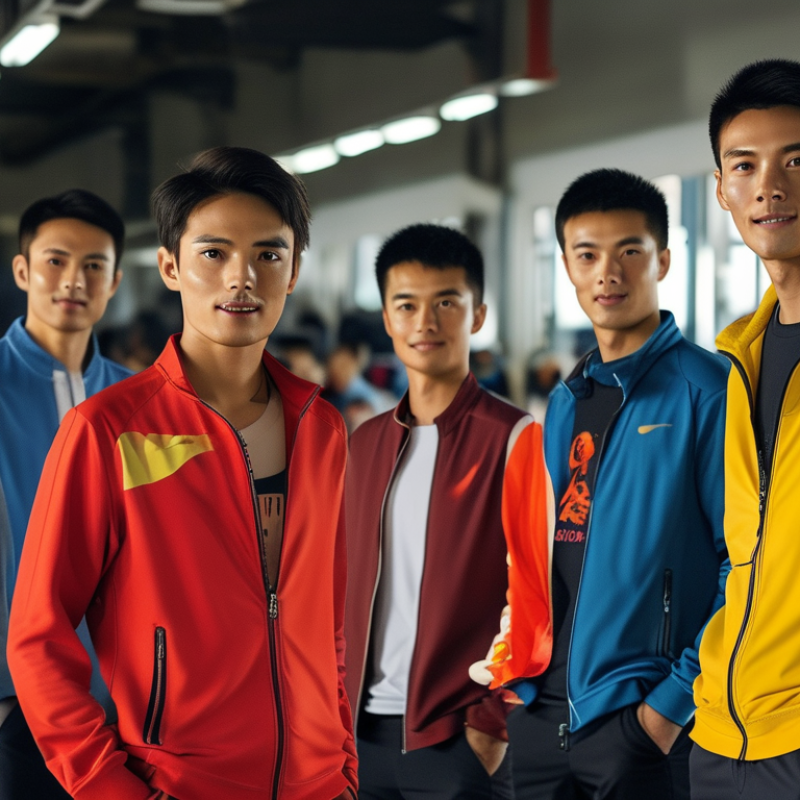
Top 10 Sports Cloth Manufacturers in China for Global Buyers?

Overview of Sports Clothing Manufacturing in China

China is a powerhouse in the Sports Clothing manufacturing industry. In recent years, it has grown rapidly. The global sports apparel market is projected to reach $248.1 billion by 2026, with China playing a significant role in this growth. Over 30% of the world’s sports apparel is produced in China, reflecting its manufacturing strength.

Many factors contribute to this success. A robust supply chain ensures quick production turnaround times. Cost-effective labor also attracts international buyers. However, challenges remain. Quality control can be inconsistent among manufacturers. Compliance with international standards is crucial but often overlooked. Reports indicate that around 20% of manufacturers struggle with proper certifications.

Tips: When sourcing sports clothing, prioritize manufacturers with a solid track record. Look for customer reviews and industry certifications. Consider requesting samples before placing large orders. Clear communication about quality expectations can help mitigate issues. Your choice of manufacturer can significantly affect your brand’s reputation. Be diligent and attentive in your selection process.

Criteria for Selecting Top Sports Cloth Manufacturers

When selecting sports cloth manufacturers in China, several factors come into play. Quality is paramount. It’s essential to verify the materials used in production. High-quality fabrics ensure durability and comfort during physical activities. For example, moisture-wicking fabrics are ideal for sportswear. Parents particularly look for such options for Kids Cheer Cloth. Durability matters when kids are involved.

Another critical factor is the manufacturer’s experience in the industry. A company with a long track record often indicates reliability. They understand market needs and have refined their production processes over time. Researching customer reviews can provide insights into their reputation. Engaging with manufacturers directly can also reveal their commitment to quality.

Pricing strategies should also be assessed carefully. While competitive pricing is attractive, it should not compromise quality. Some manufacturers may offer low prices but use substandard materials. Balancing cost and quality is a fine line. It might lead to difficult choices, especially for bulk orders. Ultimately, due diligence is necessary to ensure a satisfactory choice.

Top 10 Sports Cloth Manufacturers in China

List of Leading Sports Cloth Manufacturers in China

China's sports cloth manufacturing industry has gained significant traction. Recent data suggests that it constitutes approximately 20% of the global market. Specialized manufacturers focus on diverse athletic wear, catering to the growing demand from international markets. This sector's growth is propelled by rising participation in sports like the Soccer Sports League, which boosts apparel requirements.

Leading manufacturers emphasize the use of high-quality materials. Polyester and spandex are commonly employed, ensuring durability and comfort. However, challenges remain. Some reports indicate inconsistent quality control that may impact buyer trust. Efforts to improve this aspect are ongoing, yet reliability might still be a concern for global buyers.

In terms of distribution, many manufacturers are now exploring e-commerce platforms. This trend allows them to reach a broader audience efficiently. Still, logistics issues can hinder timely deliveries. As demand grows, understanding the intricacies of these operations is crucial. Balancing quality and speed will be vital for success in this competitive landscape.

Top 10 Sports Cloth Manufacturers in China for Global Buyers

Manufacturer ID Location Annual Revenue (USD) Number of Employees Main Product Category
001 Guangzhou 15,000,000 200 Athletic Wear
002 Shenzhen 12,500,000 150 Sports Shoes
003 Hangzhou 10,200,000 180 Fitness Apparel
004 Ningbo 8,500,000 120 Outdoor Gear
005 Suzhou 9,800,000 160 Yoga Clothing
006 Jiangsu 11,350,000 175 Running Gear
007 Wuxi 7,500,000 100 Team Sports Apparel
008 Tianjin 9,200,000 140 Cycling Gear
009 Chengdu 6,750,000 95 Swimming Attire
010 Shanghai 14,000,000 220 Casual Sportswear

Analysis of Manufacturer Specializations and Product Ranges

China's sports clothing industry shows diverse specializations and product ranges, catering to global buyers. Recent reports indicate that China's textile and clothing exports exceeded $300 billion in 2022, with a significant portion attributed to activewear. The demand for high-quality Summer Sports Jerseys has surged, driven by increasing participation in sports and recreational activities. Manufacturers focus on moisture-wicking fabrics and ergonomic designs, targeting both performance and comfort.

Several manufacturers excel in specific niches. Some prioritize sustainability by using recycled materials, while others emphasize advanced technology in fabric development. For instance, a notable trend is integrating antimicrobial properties into sports jerseys, addressing hygiene concerns. This specialization allows manufacturers to stand out in a competitive landscape. However, challenges such as fluctuating raw material costs and international supply chain disruptions remain areas for reflection.

Many producers face the pressure of fast fashion trends, requiring quick turnaround times and adaptability. Buyers must evaluate whether these manufacturers can maintain quality amidst rapid production. While production capabilities grow, consistency and reliability vary among companies. Understanding each manufacturer's strengths and potential weaknesses is crucial for global buyers looking to source Summer Sports Jerseys effectively. Selecting a partner with proven track records in specific product areas may help mitigate risks in the supply chain.

Quality Control Standards in Chinese Sports Clothing Production

Quality control standards in Chinese sports clothing production are critical for maintaining global competitiveness. According to a report by the China National Textile and Apparel Council, around 70% of sportswear manufacturers adhere to strict quality control protocols. This adherence ensures that products meet international safety and performance benchmarks.

However, challenges remain. Many factories still face issues with inconsistent manufacturing practices. The lack of standardized testing methods can lead to varying quality levels among batches. This inconsistency can affect material durability and garment functionality, crucial attributes for sportswear. Reports indicate that up to 30% of production runs may not pass quality assessments on the first attempt.

Additionally, environmental standards play a vital role in quality control. Sustainable production practices are now being integrated into manufacturing processes. Yet, many manufacturers struggle with compliance, leading to audits revealing gaps in proper waste management. Overall, while China continues to be a powerhouse in sportswear manufacturing, continuous improvement in quality control practices is essential for long-term success.

Sustainability Practices Among Chinese Manufacturers

Sustainability practices have gained momentum among sports cloth manufacturers in China. Many companies are now adopting eco-friendly materials. Organic cotton and recycled polyester are becoming staples in production. This shift reflects a broader commitment to reduce environmental impact. By 2030, some aim to achieve full sustainability in their supply chains. This goal is ambitious but essential.

However, challenges remain. While many manufacturers are moving towards sustainable practices, compliance and transparency vary greatly. Some companies may not fully disclose their sourcing practices. This lack of information can hinder trust among global buyers. The focus on specific metrics, like carbon footprint and waste reduction, must be prioritized.

National Sports Teams increasingly seek partnerships with manufacturers committed to sustainability. This trend encourages more responsible production processes. As buyers, we must support these initiatives. By choosing to work with ethical manufacturers, the sports industry can lead the way in environmental stewardship.

Global Market Trends Impacting Chinese Sports Cloth Exports

The global sports cloth market is experiencing significant shifts. Recent data shows an expected annual growth rate of 6.3% from 2023 to 2030. This trend reflects changing consumer preferences and increasing health awareness worldwide. In China, manufacturers are adapting to these changes by embracing sustainable practices and innovative textile technology.

Export figures reveal that the U.S. and Europe remain the largest markets for Chinese sports apparel. In 2022, approximately 30% of China’s sports clothing exports went to these regions. However, competitive pressures have surfaced. Local brands in these markets are enhancing their product offerings, challenging traditional suppliers. Such dynamics prompt Chinese manufacturers to invest more in quality and design.

China's ability to balance cost and innovation is under scrutiny. While the country excels in mass production, its high-end segment struggles. Reports indicate that only 20% of sports apparel exports are premium products. Manufacturers need to rethink strategies and focus on niche markets. Emphasizing quality and sustainability can help regain competitive advantages. Global trends hint at opportunities, but the path forward is not without challenges.

FAQS

: What materials are commonly used in sports clothing?

: Manufacturers often use polyester and spandex for their durability and comfort.

Are there quality control issues in the industry?

Yes, some reports indicate inconsistent quality control, which can affect buyer trust.

How is e-commerce impacting the sports clothing market?

E-commerce helps manufacturers reach a wider audience efficiently, but logistics can be a challenge.

What trends are shaping the design of sports jerseys?

Manufacturers focus on moisture-wicking fabrics and ergonomic designs for better performance and comfort.

Do manufacturers address sustainability in their products?

Some manufacturers prioritize sustainability by using recycled materials and eco-friendly practices.

Is there a demand for technologically advanced fabrics?

Yes, integrating features like antimicrobial properties caters to hygiene concerns among consumers.

How do fast fashion trends affect sports clothing production?

Fast fashion demands quick turnarounds, but maintaining quality during rapid production can be challenging.

What should buyers consider when selecting manufacturers?

Buyers should evaluate manufacturers' strengths, weaknesses, and track records in specific product areas.

Are fluctuations in raw material costs a concern?

Yes, fluctuating costs and supply chain disruptions are significant challenges for manufacturers.

What is the significance of increasing sports participation on clothing demand?

Rising sports participation leads to a higher demand for athletic apparel, boosting the industry's growth.

Conclusion

China has established itself as a global leader in the manufacturing of sports cloth, driven by advanced production techniques and a robust supply chain. The overview of the sports clothing manufacturing landscape reveals a diverse array of specialized manufacturers catering to various global markets. Criteria for selecting the top manufacturers include quality, innovation, and the ability to meet international standards, ensuring that buyers can find reliable partners for their needs.

In-depth analysis of these manufacturers highlights their unique specializations and product ranges, aligning with global market trends that affect sports cloth exports. Additionally, many Chinese manufacturers are adopting sustainability practices, addressing the increasing demand for eco-friendly products. Quality control standards are stringent, aimed at ensuring high-performance sports clothing that meets the expectations of consumers worldwide. Overall, China's sports cloth manufacturing sector remains dynamic, adapting to both market demands and sustainability challenges.

Isabella

Isabella

Isabella is a dedicated marketing professional at Doosansports, a leading custom manufacturer of sportswear based in Longgang District, Shenzhen, China. With a strong foundation established in 2014, Isabella brings a wealth of knowledge and expertise in the sportswear industry. She is deeply......
Previous Top Trends in Gym Apparel for 2026 What Do Buyers Want?