The global Yoga Wear market is just booming right now, and it’s pretty clear that more and more people are getting serious about their health. If you’ve seen reports from places like Grand View Research, they’re saying the industry is expected to grow at around 6.1% annually from 2021 through 2028. A big part of this growth is happening in China, where some pretty innovative companies are leading the way with their fresh designs and high-quality production. Emma Zhang, an industry expert, mentioned that the future of Yoga Fitness Wear really depends on how well brands can adapt to what consumers want and how much they care about sustainability.
Since there are so many options out there, finding the right OEM manufacturer is more important than ever. Many brands turn to China because they’re known for being cost-effective without sacrificing quality. But, honestly, picking a reliable partner isn’t exactly a walk in the park. The market’s crowded, and not all manufacturers are created equal — some deliver great results, while others might fall short. So, it’s really important for brands to do their homework and choose an OEM that truly aligns with their values and goals.
Two big trends currently shaping the Yoga Wear scene are sustainability and functionality. Customers want gear that not only performs well but also has as little environmental impact as possible. This shift creates both opportunities and challenges for manufacturers: they need to keep up with changing demands while still turning a profit. As the market matures, it’s crucial for brands to carefully consider who they partner with and what choices they make — because in the end, those decisions will define their success in the world of Yoga Fitness Wear.

The yoga wear industry in China has seen significant growth in recent years. The market size reached approximately $2.5 billion in 2022. This growth is driven by a rising interest in health and wellness among Chinese consumers. More people are embracing yoga as part of their fitness routines.
A notable trend is the increasing demand for Seamless Yoga Wear. This type of apparel offers comfort and flexibility. Many consumers prefer seamless designs for their aesthetic appeal. Reports suggest that this segment could grow by 20% annually. However, some manufacturers struggle with sustainability. The challenge is to balance growth with eco-friendly practices.
Market analysis indicates that quality control remains an issue. Some manufacturers may cut corners to reduce costs. This leads to inconsistencies in product quality. Consumers are becoming more discerning. They seek durable, high-quality yoga apparel. The focus on quality must improve to meet these rising expectations. The potential is vast, but manufacturers must reflect on their production methods.
When selecting an OEM manufacturer for Yoga Wear, several criteria should be considered. Quality control is vital. Look for manufacturers with stringent testing processes. A reliable partner ensures that all garments meet your standards. Pay attention to their material sourcing. The fabric used affects both comfort and durability.
Communication is another key factor. A responsive manufacturer can save time and reduce misunderstandings. Look for ones that offer transparency. Check references and past projects to gauge their capability. Sometimes, manufacturers may fail to meet deadlines. This can be a significant issue.
Pricing is essential, but it should not be the only factor. Low prices may compromise quality. Balance cost with value. Consider production capabilities as well. Some manufacturers may have limited options for Yoga Wear styles. Reflect on your brand's unique needs. Choosing the right partner can make all the difference.
When exploring the landscape of OEM China yoga wear manufacturers, a few key players stand out. These manufacturers specialize in a variety of Female Yoga Clothes that cater to different styles and preferences. Each company brings unique designs and innovative materials, which can be crucial for comfort during practice. Some focus on sustainability, using eco-friendly fabrics to attract environmentally conscious consumers. Yet, the challenge lies in balancing quality and cost, sometimes leading to inconsistent product performance.
One manufacturer may excel in vibrant prints, while another prioritizes functionality and durability. Buyers should pay attention to these nuances. Often, manufacturers showcase impressive samples, but actual production may fall short. This gap can create frustration. It is vital to conduct thorough quality checks and establish clear communication channels. Attention to detail in the manufacturing process is crucial for ensuring the final product meets expectations.
Ranging from high-waisted leggings to stylish crop tops, there's variety in Female Yoga Clothes offered by these companies. Each design aims to enhance the yoga experience, but one must assess fit and comfort. Frequent feedback from consumers can help manufacturers refine their offerings. Improving collaboration between designers and manufacturers can lead to better outcomes. This evolving industry demands continual adaptation and reflection on practices for sustained growth.
| Rank | Manufacturer Type | Production Capacity | Specialization | Export Markets | Certifications |
|---|---|---|---|---|---|
| 1 | Large OEM | 500,000 units/month | Eco-friendly materials | North America, Europe | ISO 9001 |
| 2 | Mid-size OEM | 200,000 units/month | Athletic wear | Asia, Australia | BSCI |
| 3 | Small OEM | 50,000 units/month | Yoga apparel | Europe, South America | Oeko-Tex |
| 4 | Vertical Manufacturer | 400,000 units/month | Performance gear | North America, Europe | SGS |
| 5 | Specialized OEM | 300,000 units/month | Sustainable clothing | Worldwide | ISO 14001 |
| 6 | Mass Production | 600,000 units/month | Yoga essentials | Asia, Europe | GOTS |
| 7 | Boutique OEM | 100,000 units/month | Yoga fashion | North America | WRAP |
| 8 | Innovative OEM | 250,000 units/month | Tech-integrated wear | Global | ISO 13485 |
| 9 | Custom OEM | 150,000 units/month | Private label | Europe, North America | Fair Trade |
| 10 | Niche OEM | 80,000 units/month | Specialized yoga gear | Local markets | SEDEX |
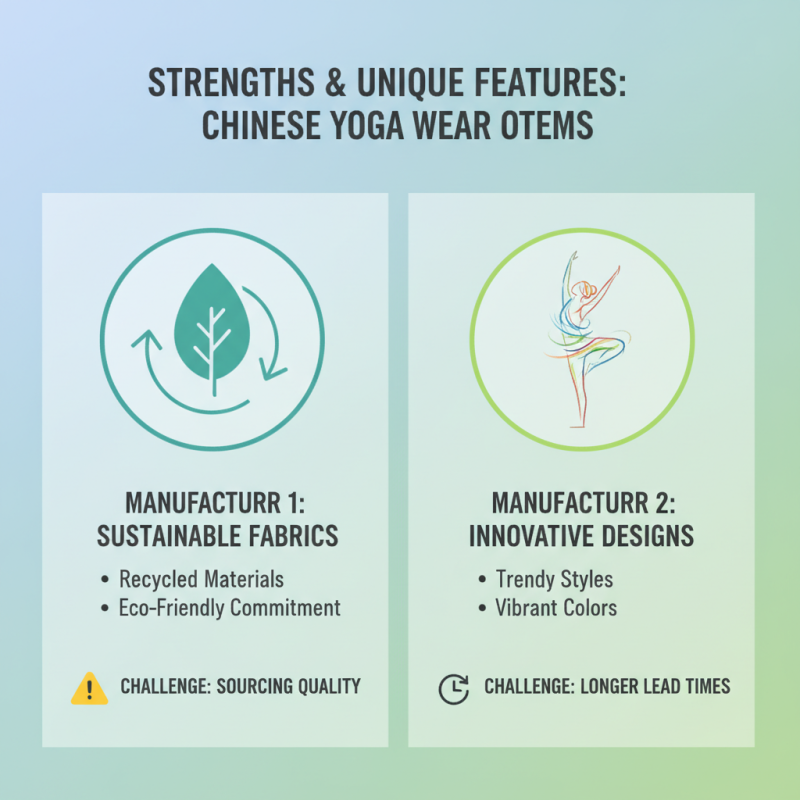
When looking for top OEM manufacturers in China for yoga wear, various strengths stand out. One manufacturer focuses on sustainable fabrics, using recycled materials for production. Their commitment to eco-friendliness is commendable, yet they face challenges with sourcing consistent quality. Another company is known for its innovative designs, featuring trendy styles and vibrant colors. However, their lead time can sometimes be longer than expected.
Quality control is crucial in the manufacturing process. One manufacturer excels in rigorous testing, ensuring durability and comfort. Yet, feedback indicates that their customer service could improve. A different brand specializes in customization options, allowing for unique patterns and sizes. This flexibility is appealing but may lead to production delays if not managed properly. It’s important for businesses to weigh these aspects carefully when choosing the right partner in the yoga wear market.
Sustainability is transforming the landscape of yoga wear production in China. Many manufacturers are now exploring eco-friendly materials. Organic cotton and recycled polyester are gaining traction. The switch to these materials reduces environmental impact. However, the journey is often not smooth.
Some manufacturers face challenges in sourcing sustainable fabrics. Cost can be a significant barrier. Additionally, the technology for producing high-quality eco-friendly textiles isn’t widely available. As a result, production processes can vary greatly in sustainability. It’s crucial for manufacturers to reflect on their supply chains. Transparency in sourcing helps build trust with consumers.
Moreover, energy consumption and waste management practices need improvement. Factories sometimes overlook minimizing waste during production. Not all producers prioritize energy-efficient machinery. Real change requires commitment and collaboration across the industry. As these practices evolve, there is hope for a greener future in yoga wear manufacturing.
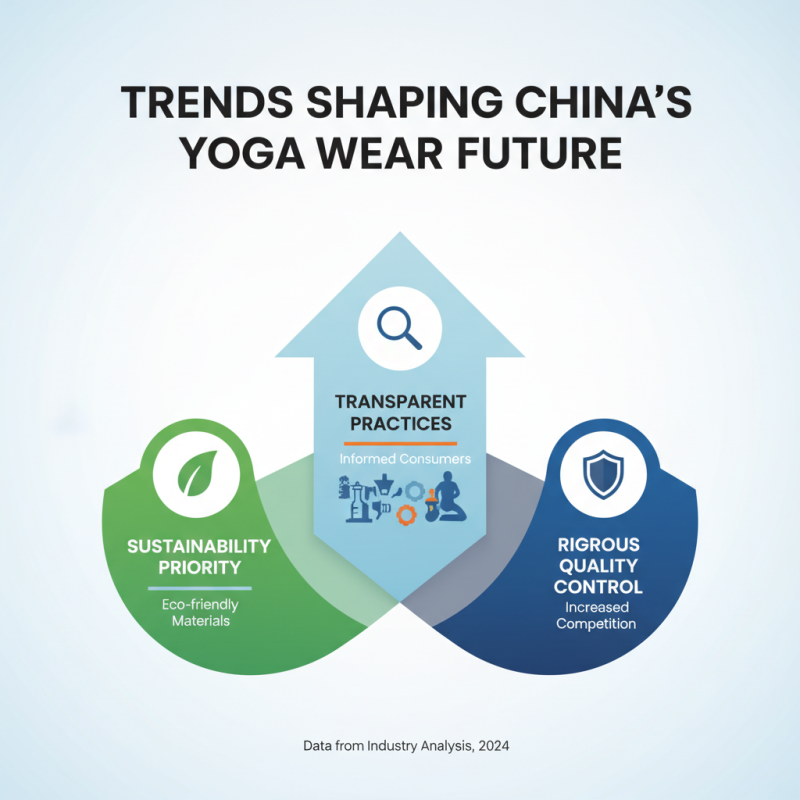
The yoga wear industry in China is rapidly evolving. Sustainability is becoming a priority for many manufacturers. This trend is pushing companies to adopt eco-friendly materials. Consumers are more informed now and they seek transparent practices. Quality control measures are also tightening as competition grows.
Wearable technology is another focus. Smart fabrics are gaining traction. These materials can monitor biometrics. Companies that innovate in this area may have an edge. Still, not all manufacturers can keep up with the tech. This gap can lead to inconsistencies in product quality.
Tips for choosing the right manufacturer include researching their certifications. Look for those that have a solid reputation for ethical practices. Visit factories if possible. This can give insights into their operational standards. Communication is crucial; ensure they understand your vision. Lastly, start with smaller orders to test the waters. This helps reduce risk before larger commitments.
Partnering with OEM manufacturers can be complex. Building a successful relationship requires clear communication and mutual understanding. Recent industry reports indicate that 65% of retail brands cite miscommunication as a barrier to effective collaboration. You need to establish expectations upfront. Define your goals, timelines, and quality standards early in the process.
Trust is crucial in any partnership. Regular check-ins help build this trust. According to a study from a leading market research firm, companies that maintain ongoing communication are 50% more likely to succeed in their projects. Ensure that your OEM partner understands your requirements for Yoga Clothing Plus Size. This segment is growing, with an increase of 30% in demand over the past three years.
It's essential to be adaptable. Manufacturing processes may present challenges, such as delays or unexpected costs. Reflect on these issues and seek solutions together. Flexibility can turn potential setbacks into opportunities for growth. Remember, collaboration is key to success in the competitive yoga wear market.
: The market size reached about $2.5 billion in 2022.
Increased interest in health and wellness among consumers is a key driver.
Seamless Yoga Wear is increasingly in demand for its comfort and aesthetic appeal.
Many struggle to balance growth with eco-friendly practices, requiring reflection on production methods.
Inconsistent product quality from some manufacturers affects consumer trust and satisfaction.
Clear communication and defined goals are essential for effective collaboration.
Miscommunication is cited by 65% of retail brands as a significant barrier.
Manufacturing delays or unexpected costs often demand adaptability from partners.
The demand for plus-size yoga clothing has increased by 30% recently.
Regular check-ins can build trust and improve project success rates by 50%.
The article explores the dynamic landscape of the yoga wear industry in China, highlighting essential criteria for selecting Original Equipment Manufacturing (OEM) partners. It presents a detailed analysis of the top ten OEM manufacturers, emphasizing their strengths and unique features that set them apart in a competitive market. Furthermore, the article discusses the growing focus on sustainability practices among these manufacturers, reflecting an increasing consumer demand for eco-friendly products.
Looking ahead, the article identifies key trends influencing the future of yoga wear production in China, such as technological advancements and market shifts. Lastly, it provides valuable insights on how to cultivate successful partnerships with OEM manufacturers, ensuring that businesses can effectively meet the evolving needs of the yoga wear sector. With a comprehensive overview, this summary serves as a guide for anyone interested in navigating the complexities of the yoga wear manufacturing landscape in China.