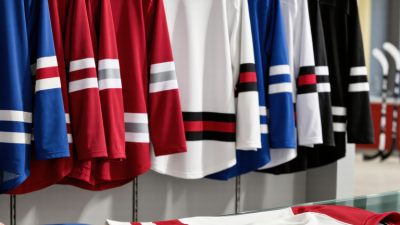
Picking out an Ice Hockey Shirtin 2026 isn't just about team colors—it’s about fitting your style and needs too. Things like how it fits, the fabric, protection features, and what you plan to do in it all matter. Did you know? The IIHF’s 2023 Player Survey reports over 1.6 million registered ice hockey players worldwide. That’s pretty crazy, right? Though it doesn’t include every recreational skater out there, it definitely shows how widespread the sport is. Over in the US, the Sports & Fitness Industry Association tracks hockey participation too. But here’s the thing: that data doesn’t tell you which shirt will be a hit or not. Still, it helps explain why some players or fans prefer different styles and designs.
This guide breaks down the main options: replica jerseys for fans, authentic player jerseys, Lightweight practice shirts, and base layers that wick moisture away. For nights at the arena, a replica jersey with big team crests and roomy sleeves can feel pretty cool. Authentic jerseys? They’re built closer to what the pros wear, but they might cost a bit more and feel a little stiffer outside the rink. Practice shirts are all about freedom of movement and breathability, while base layers sit tight against your skin under all the pads.
When choosing, pay attention to the little details—check the seams, fabric weight, sizing charts, and how to care for it. Sometimes, product labels don’t really tell the whole story about performance, and that’s worth keeping in mind. Bottom line: for 2026, your perfect shirt depends on what you’re doing—whether you’re skating, training, or just cheering from the stands. There’s no one-size-fits-all answer when it comes to this stuff.
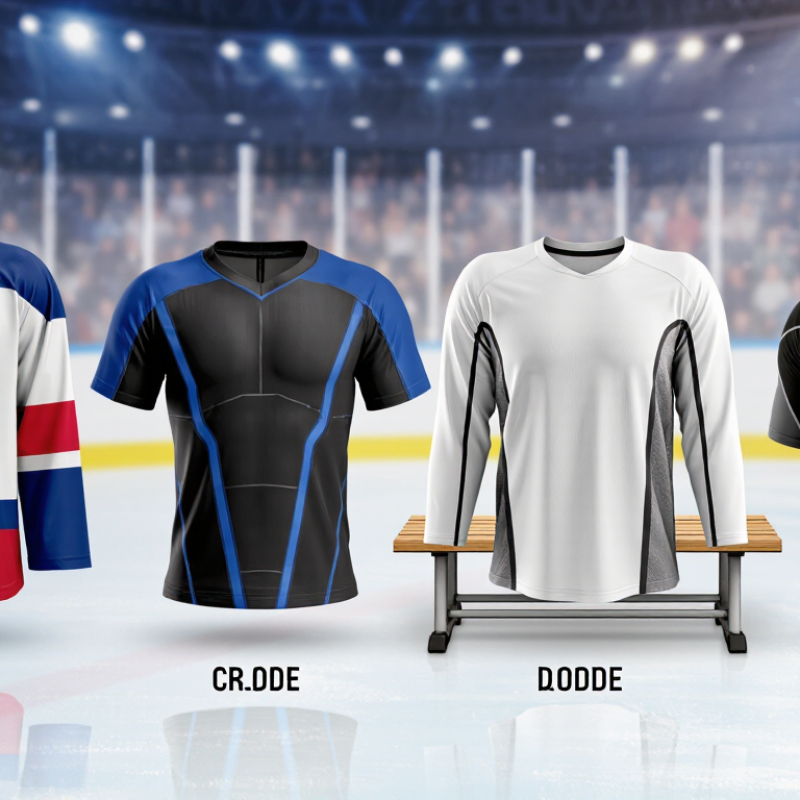
Core Features That Define Ice Hockey Shirts in 2026
In 2026, a dependable Ice Hockey Shirt needs to handle sweat, friction, and repeated washing. Look for lightweight, breathable fabric that dries quickly without feeling flimsy. A good fit should allow shoulder movement over protective gear, while sleeves stay clear of gloves.Small details matter.
Check the seams around the shoulders and underarms, where hard skating and contact can strain stitching. Mesh panels can improve airflow, but poorly placed ones may rub beneath pads. The balance is not always perfect. Some lightweight fabrics feel less substantial, so inspect the fabric weight and stitching before choosing.
Customization should remain clear after washing. A printed ice hockey shirt factory should be able to explain its printing method, fabric compatibility, and care instructions. Ask for a sample and check whether the design cracks or fades after laundering. Sizing charts can also vary, so measure a shirt that already fits rather than relying only on a label.
Authentic Game Jerseys for Players and Serious Fans
Authentic game jerseys are built for movement, contact, and long shifts—not just the look of the arena. A player’s jersey should sit comfortably over shoulder pads, with enough room through the chest and arms. Reinforced seams and breathable mesh can help it hold up through repeated practices and washing. Fit matters. A sleeve that catches on a glove is more than a small annoyance.
The Sports & Fitness Industry Association’s 2024 Topline Participation Report counted about 2.1 million U.S. ice-hockey participants in 2023. That figure describes participation, not jersey sales, but it signals a substantial audience for well-made team apparel. Serious fans may prefer a lighter replica, while players need durable construction and space for equipment. Check sizing against pads, not street clothes. Names and numbers add a personal touch, though customization cannot fix poor fit. Searches for “personalized hockey hoodies ice hockey kit designer” may lead to mixed apparel results, so check whether a listing is an on-ice jersey, a practice top, or casual wear before buying.
Replica Jerseys for Everyday Supporters
Replica jerseys suit supporters who want hockey colors for more than game night. They usually offer a relaxed fit, lighter construction, and a lower-cost alternative to player-grade shirts. For a weekday commute, a chilly rink seat, or a watch party, those details matter. Check the size chart before ordering; cuts vary, and a roomy jersey can feel oversized over a T-shirt. Look for clear stitching, legible numbers, and fabric that feels comfortable against the skin. Small details count.
Grand View Research’s Sports Apparel Market Size, Share & Trends Analysis Report estimated the global sports apparel market at US$214.08 billion in 2023, with projected annual growth of 6.6% from 2024 to 2030. That figure covers sports apparel broadly, not hockey replicas alone. It shows the wider market’s scale, but it cannot tell buyers which shirt will last. A replica’s value depends on how often it is worn and washed, not just its price tag. Read care labels and inspect seams when possible. Even then, online photos can hide a rough finish. Not perfect, but worth checking. For everyday support, comfort and durability often beat a closer-to-the-ice fit.
What Are the Top Ice Hockey Shirt Types for 2026? — Replica Jerseys for Everyday Supporters
A practical comparison of common hockey shirt types by their typical purpose. Values show whether a type is commonly suited to each use (1 = yes, 0 = generally no); they are not sales figures.
Replica jerseys are designed for supporter wear and offer a jersey-style look for everyday outings. Authentic and practice jerseys are more closely associated with on-ice or training use, while hockey T-shirts suit casual wear. Details vary by maker and team.
Practice Jerseys for Training and Recreational Play
Practice jerseys for training and recreational play should feel light, move freely, and fit over shoulder pads without pulling at the sleeves. Common options include ventilated mesh pullovers, reversible scrimmage jerseys, and smoother-knit practice tops. Mesh helps release heat during repeated drills. Reversible styles make quick team splits easier. Check the collar and arm openings: rough seams can rub during long sessions. A loose fit is useful, but excess fabric can snag on equipment. Small detail, big difference.
The SFIA 2024 Topline Participation Report estimates about 2.1 million U.S. ice hockey participants in 2023. That figure does not measure jersey sales, but it reflects a substantial base of players who need practical gear for organized and casual play. For shared training, choose durable stitching and clear, contrasting colors. For recreational sessions, prioritize comfort and easy washing over elaborate trim. One caveat: a very breathable fabric may feel less warm during rink-side breaks.
Tips: Try the jersey over your full protective kit before buying. Lift your arms and bend forward. If the hem rides up, size or cut may be wrong. Wash promptly after sweaty sessions, and follow the garment’s care label.
Throwback Jerseys Celebrating Classic Team Designs
Throwback hockey jerseys bring classic team designs back through bold stripes, contrasting shoulders, and old-style crest placement. Their appeal often lies in proportion: a wide chest band or sleeve rings can make a shirt feel unmistakably rooted in another era. Look closely at the collar, number shapes, and stitching. Small details matter. A clean, balanced design usually wears better than one crowded with decorative patches.
For 2026, choose a throwback style that suits how you plan to wear it. A relaxed cut leaves room for a hoodie, while a lighter replica-style shirt feels easier for everyday use. Check the size chart and sleeve length; vintage-inspired fits can vary, and the listed size may not tell the whole story. Fabric should feel breathable, with seams that lie flat rather than rub beneath the arms. Some designs deliberately soften colors or add a worn look. That can feel convincing, but it may also seem overdone. I would rather see thoughtful details than forced aging. If historical accuracy matters, compare the lettering and stripe layout with reliable photographs, since a retro appearance alone does not prove a design is faithful.
What Are the Top Ice Hockey Shirt Types for 2026? — Throwback Jerseys Celebrating Classic Team Designs
Custom Jerseys with Personalized Names and Numbers
For 2026, a custom Ice Hockey Jersey should do more than display a team color. Names and numbers need clear spacing, strong contrast, and placement that remains readable when players bend or skate. Choose a durable print or stitched finish suited to the jersey fabric, then check a sample under rink lighting. A surname that looks balanced on a screen can feel crowded across the shoulders. Small details matter. Match the number style across front, back, and sleeves, and confirm spelling before production. I still think sizing deserves more attention than it often gets.
Personalization also works best when the shirt type fits its use. Lightweight practice jerseys need room for shoulder pads and easy movement; fan shirts can prioritize comfort and everyday wear. Grand View Research’s Sports Apparel Market Size, Share & Trends Analysis Report estimated the global sports apparel market at USD 203.3 billion in 2023, with projected growth from 2024 to 2030. That broad market figure does not measure demand for personalized hockey jerseys specifically, but it shows the scale of the apparel category. For a team order, collect each wearer’s preferred fit, name spelling, and number early. Then review a physical proof. Digital previews can miss fabric stretch, and that is an easy detail to overlook.
How to Choose the Right Ice Hockey Shirt Type
Choosing an ice hockey shirt starts with its purpose, not its appearance. For games, a lightweight performance jersey should sit comfortably over shoulder pads without pulling across the chest. Check sleeve length while holding a stick; cuffs should not catch on gloves. Excess fabric can twist during a turn, while a tight cut may limit your reach. Fit matters most.
For practice, a breathable training shirt or mesh practice jersey is often easy to wash and quick to dry. At a cold rink, a thermal base layer can help manage sweat beneath the jersey. It should feel close to the body, not restrictive, and its seams should not rub under pads. Try it with your actual equipment. Size charts cannot show how shoulder caps change the fit.
Check fabric weight, stitching, and care instructions. Reinforced seams at the shoulders and underarms handle repeated movement. Pro Ice Hockey Gear is a broad category, but your best choice depends on position, rink temperature, and how often you play. A goalie may want more room through the arms; a forward may prefer less bulk. More breathable is not always better in a chilly rink. It can feel clammy after a hard shift. Test the shirt during warm-up, then check its fit again after washing, since some fabrics may relax or shrink.
FAQS
Check the fit while wearing shoulder pads. There should be room through the chest and arms, without sleeves catching on gloves.
Look for reinforced seams and breathable mesh. These features can help during repeated practices and washes.
Usually. Their lighter construction and relaxed fit can work for a commute, a chilly rink, or a watch party.
Compare the size chart with your measurements and intended layers. Cuts vary, and photos may not show how roomy a jersey feels.
No. Custom details add a personal touch, but they cannot fix poor sizing.
Check the stitching, number clarity, and fabric feel. Small details count.
Read the listing carefully. It may describe an on-ice jersey, practice top, or casual shirt.
Not always. Durability depends on construction, care, and how often you wear and wash it. Online pictures can hide rough finishes, so checking in person is better when possible.
Conclusion
Choosing the right Ice Hockey Shirt in 2026 means balancing comfort, durability, fit, and how you plan to wear it. Authentic game jerseys are designed for players and serious fans who want a substantial feel and details suited to on-ice use. Replica jerseys offer a lighter, more casual option for everyday support, while practice shirts prioritize freedom of movement and easy care for training or recreational play.
Style and personalization matter too. Throwback jerseys bring classic team-inspired designs into modern wardrobes, while custom jerseys let you add a preferred name and number for a more personal look. Before choosing, consider whether the shirt is for competition, practice, casual wear, or collecting, then compare its material, fit, construction, and design. The best option is the one that suits your activity and feels comfortable wherever you wear it.