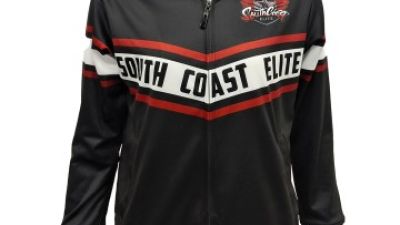
You know, in the world of sports, uniforms aren’t just there for looks—they’re a big part of a team’s identity, their sense of unity, and overall spirit. Picking the right Sports Uniforms can really boost a team's vibe and even motivate the players. Sometimes teams overlook just how much their appearance can make a difference.
A good uniform can lift morale and help players perform better. Just think about those legendary designs—like the jerseys of the Lakers or Manchester United, which fans hold dear. But, not every uniform choice works for every team. Bad material or unappealing designs can lead to some pretty disappointing outcomes.
When you're choosing sports uniforms, it’s important to think about both how they look and how functional they are. That’s where Elite Sports Uniforms really stand out—they combine innovative ideas with timeless style. Teams should aim for uniforms that truly connect with their players and fans alike. Putting thought into this can make a real difference, leaving a lasting impression that’s about more than just winning the game.
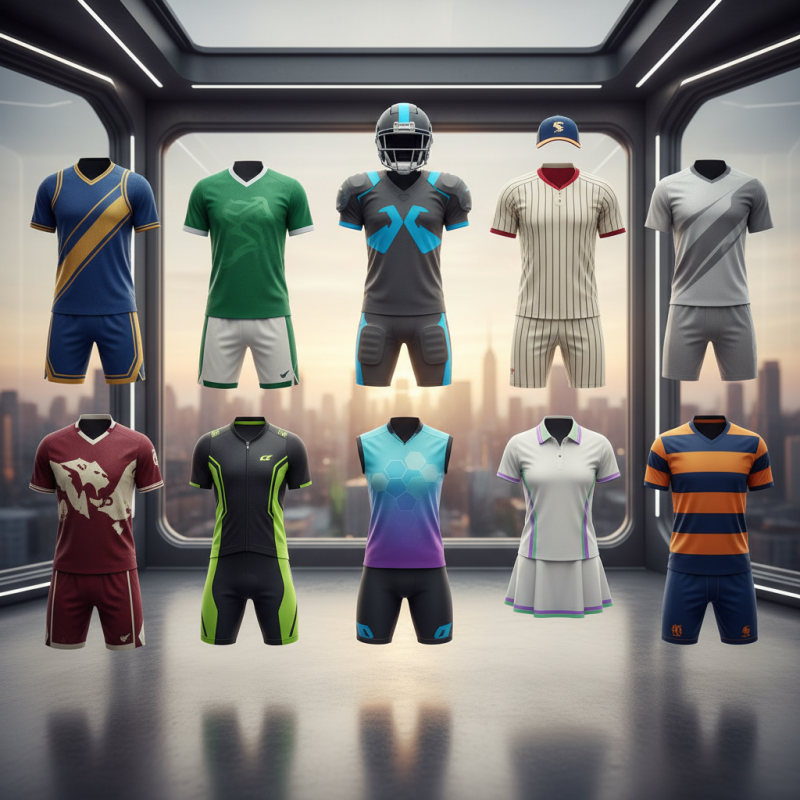
The Importance of Sports Uniforms in Team Identity and Branding
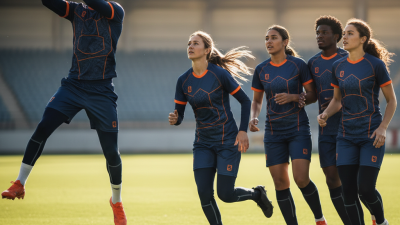
Sports uniforms play a crucial role in shaping a team's identity. They are more than just clothing; they reflect a team's spirit and values. According to a report by the Sports Marketing Institute, 75% of fans feel more connected to their teams when they see a consistent uniform style. It creates a sense of belonging and pride among players and supporters alike.
When selecting uniforms, consider the psychological impact of colors and designs. A well-designed uniform can boost players' confidence, as found in a study published by the Journal of Sports Psychology. Simple, but effective designs often resonate more with fans. Printed Sports Uniforms can incorporate team mascots or unique patterns. However, avoid cluttering designs with too many elements, which can confuse rather than enhance a team's brand identity.
Tip: When sourcing uniforms, prioritize quality materials. They affect player performance and longevity of the uniforms. Balance aesthetics with functionality. Teams sometimes overlook this, leading to uniforms that look good but fail during high-intensity games. Ensure your uniforms are easy to maintain. A uniform that wears out quickly can be a significant weakness in brand representation. Think about customization options that engage fans, turning your side into a visual narrative.
Trends in Color Psychology: Choosing the Right Palette for Sports Teams
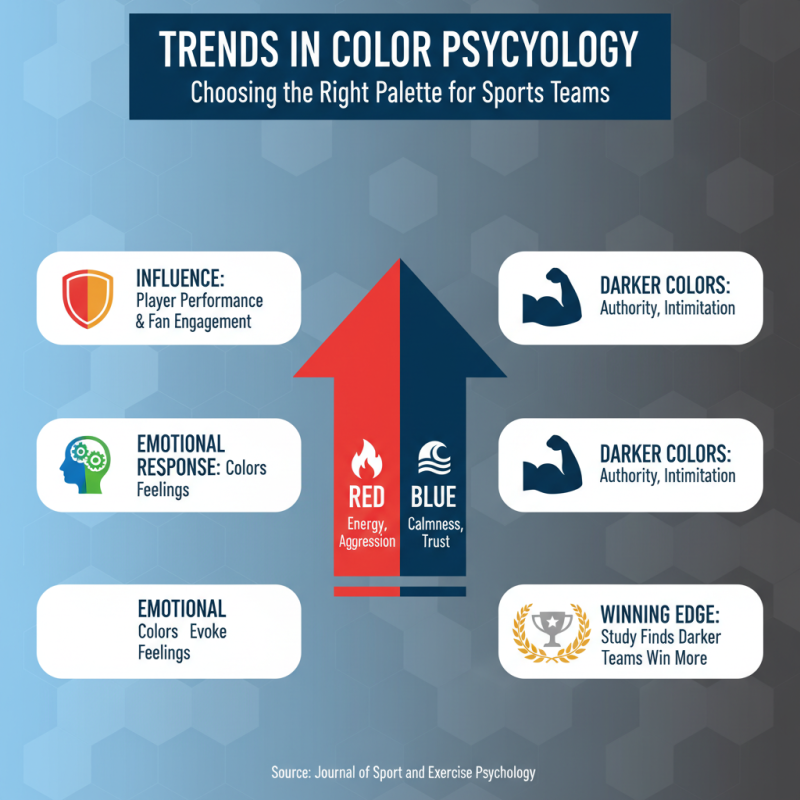
Color psychology plays a crucial role in sports uniforms. Teams can influence player performance and fan engagement by selecting the right colors. Research indicates that colors can evoke emotions and perceptions. For example, red often suggests energy and aggression, while blue can promote calmness and trust. A study from the Journal of Sport and Exercise Psychology found that teams wearing darker colors tend to win more often, as they project authority and intimidation.
When choosing colors, consider your team's identity. Analyze your target audience and their preferences. A vibrant palette can energize fans, while muted tones might appeal to a more sophisticated crowd. Balancing these perceptions is key.
Tips: Use colors that represent your team's values. Experiment with two to three main colors to avoid overwhelming your design. Remember, the color choice should resonate with both players and fans. Ultimately, a poorly chosen palette can leave fans feeling disconnected.
Material Matters: High-Performance Fabrics for Athletic Uniforms
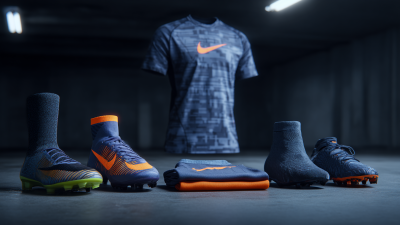
When it comes to Sports Uniforms, material choice plays a crucial role. High-performance fabrics can enhance player comfort and performance. Look for moisture-wicking materials. These fabrics draw sweat away, keeping athletes cool. Breathability is key too. Fabrics that allow airflow prevent overheating during high-intensity games.
Consider weight and flexibility in fabric selection. Lightweight materials do not hinder movement. Athletes need freedom. Therefore, stretchy fabrics can be beneficial. This flexibility helps in making quick maneuvers on the field. Different sports may require unique features. For example, durability is essential for contact sports. Uniforms should withstand wear and tear.
Aesthetics also matter. Bright colors and dynamic designs boost team spirit. However, keep in mind that practical functions should not be overlooked. Sometimes, teams focus too much on looks, ignoring performance needs. Reflect on what truly enhances the game's experience. A balance between style and function is vital for optimal Sports Uniforms.
Impact of Uniform Design on Player Performance and Fan Engagement
Uniform design significantly impacts player performance and fan engagement. Research shows that athletes often feel more confident in stylish uniforms. A study from the Journal of Sports Psychology indicated that players wearing vibrant colors perform better. Colors like red and blue increase aggression and focus. This psychological effect can give teams an edge in competitive environments.
Fan engagement is also closely tied to uniform aesthetics. According to a survey by Sports Marketing Quarterly, 70% of fans are more likely to support a team with visually appealing uniforms. This connection enhances team spirit and fosters loyalty. Eye-catching designs can attract attention, leading to increased merchandise sales. Additionally, a survey found that 63% of fans enjoy wearing team colors, creating a sense of community.
Tips: Choose designs that reflect the team's values. Think beyond traditional styles; explore unique patterns. Listen to fan feedback regarding uniform changes. Engaging with the community can lead to designs that resonate with fans. Remember, not every design will appeal to everyone, but creating a conversation can help refine choices. Soccer Team Uniforms should be both functional and inspiring. Prioritize material comfort and breathability to truly enhance player performance.
Impact of Sports Uniform Design on Player Performance and Fan Engagement
Historical Evolution of Iconic Sports Uniforms Across Major Leagues
The evolution of sports uniforms reveals much about culture, identity, and branding. Traditional designs have changed dramatically. Early uniforms were simple—primarily solid colors. As sports grew, teams began to embrace unique styles. This shift allowed for more creativity in design.
In baseball, for instance, teams started using distinctive logos and patterns. Fans began to connect with these visuals. The color schemes often represented regional pride. However, some teams underwent too many changes, losing their original identity. This disconnection led to confusion among fans.
In European football, uniforms reflect national identity and history. Each team’s design often tells a story. Yet, some uniform changes can seem excessive. Fans sometimes feel left behind. Striking a balance between tradition and innovation remains difficult. The quest for iconic status can lead to questionable decisions. However, strong designs can foster loyalty and pride.
Customization and Personalization: The Future of Team Uniforms
Customization and personalization are reshaping the world of sports uniforms. Teams are moving beyond generic designs. They want unique identities that reflect their spirit. For instance, Hockey Team Uniforms can feature customized colors and logos that resonate with local culture. This creates a stronger bond between players and fans.
However, this shift to personalized uniforms presents challenges. Sizing inconsistencies can occur, leading to some players feeling less comfortable. Designs that look great on paper might not translate well in execution. Teams must balance creativity with functionality. Although fans love unique looks, performance should never be compromised. Each detail matters, from fabric choice to fit.
In this evolving landscape, collaboration between designers and teams is crucial. Teams need input from players on what works best. Feedback can help refine designs and ensure satisfaction. A vibrant uniform can inspire, but it must also meet practical needs. The journey of customization is ongoing, filled with lessons and opportunities for growth.
Environmental Considerations: Sustainable Practices in Uniform Production
In today's sports world, sustainability matters. Teams need uniforms that reflect their values and care for the environment. Traditional uniform production often harms our planet. Chemicals, waste, and pollution are common. It's crucial to address these issues in our choices.
Sustainable practices can transform this industry. Utilizing recycled materials is one way. Some teams craft uniforms from old plastic bottles. This reduces landfill waste significantly. Another approach is sourcing eco-friendly fabrics. Organic cotton or bamboo has lower environmental impact. It's not just about material; the manufacturing process also needs attention. Renewable energy and minimal water usage should be prioritized.
However, challenges remain. Not all teams have access to sustainable options. Cost can also be a barrier. There is often a trade-off between sustainability and performance. This requires reflection. Teams must balance quality with environmental impact. Finding solutions takes time and effort, but it's essential for future generations. Investing in sustainable uniforms is an investment in the planet.
Top 10 Sports Uniforms Every Team Should Consider
| Rank | Sport | Material | Sustainability Feature | Production Method |
| 1 | Soccer | Recycled Polyester | Uses post-consumer plastic | Eco-friendly dyeing process |
| 2 | Basketball | Organic Cotton | Pesticide-free cultivation | Low-water production |
| 3 | Baseball | Bamboo Fabric | Biodegradable and renewable | Sustainable sourcing |
| 4 | Rugby | Hemp Blends | Naturally pest-resistant | Minimal chemical use |
| 5 | Tennis | Recycled Nylon | Reducing ocean waste | Closed-loop production |
| 6 | Cricket | Tencel | From wood pulp, biodegradable | Low environmental impact |
| 7 | Hockey | Recycled PET | Repurposed plastic bottles | Circular production model |
| 8 | Volleyball | Recycled Cotton | Reduces textile waste | Sustainable manufacturing |
| 9 | Track & Field | Organic Merino Wool | Temperature regulation | Ethically sourced |
| 10 | Gymnastics | Sustainable Spandex | Durable and flexible | Environmentally friendly |
The Ultimate Guide to Choosing the Best Men's Lightweight Waterproof Sports Jacket for Outdoor Activities
When embarking on outdoor adventures, having the right gear is essential for both protection and comfort. Our lightweight waterproof sports jacket is designed specifically for men who engage in various activities, from running and hiking to cycling. Made from 100% polyester, this jacket features water-resistant and quick-drying properties, ensuring that you stay dry and comfortable, no matter the weather conditions.
The jacket is not only practical but also tailored for performance. Its lightweight and breathable fabric allows for all-day comfort, making it ideal for both athletic pursuits and casual wear. The adjustable hood and elastic cuffs help create a snug fit, while multiple zip pockets provide secure storage for essentials during your adventures. Available in various colors and sizes, this jacket meets the needs of any outdoor enthusiast looking to enhance their experience with functional yet stylish outerwear.
FAQS
: Color psychology can influence player performance and fan engagement through emotional responses to colors.
For instance, red suggests energy and aggression, while blue promotes calmness and trust among players and fans.
Teams in darker uniforms often seem more authoritative, which may lead to winning more games due to perceived intimidation.
Teams should analyze their identity and target audience preferences to resonate well with players and fans.
It’s best to experiment with two to three main colors to create an effective and appealing design.
Look for moisture-wicking, breathable, lightweight, and flexible fabrics to enhance comfort and performance during games.
Flexible materials allow athletes to make quick movements and maneuvers, which is essential during high-intensity games.
A balance between aesthetics and practical functions prevents a disconnect and enhances the overall game experience.
Focusing too much on appearance may neglect essential performance needs, ultimately affecting player effectiveness.
A poorly chosen color palette can alienate fans, making them feel disconnected from the team’s identity and values.
Conclusion
Sports uniforms play a critical role in establishing team identity and branding, serving as a visual representation of a team's values and culture. The choice of color palettes, influenced by color psychology, can enhance team spirit and motivate both players and fans. Additionally, the material used in sports uniforms is paramount; high-performance fabrics can improve athlete comfort and performance, while innovative designs can engage fans and create a deeper connection to the team.
The evolution of sports uniforms reflects the changing trends in aesthetics and functionality across major leagues, showcasing iconic designs throughout history. As teams look to the future, customization and personalization are becoming essential, allowing for unique expressions of team identity. Furthermore, environmental considerations are pushing teams towards sustainable practices in uniform production, ensuring that the future of sports uniforms aligns with a commitment to sustainability. Overall, thoughtful design and materials in sports uniforms can significantly impact player performance, fan engagement, and team loyalty.