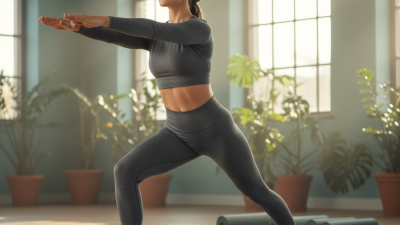
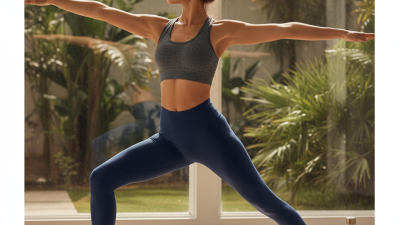
You know, the world of Yoga Activewear has been changing pretty fast lately, especially with custom OEM companies making more and more waves. I recently heard industry expert Sarah Thompson say, 'The right activewear can totally transform your yoga experience.' That really highlights just how much the quality and design of your yoga gear matter, right?
Honestly, trying to sift through all the options out there can be pretty overwhelming—whether you’re just a customer or a business owner. Brands like FlexiFit and EcoFlow are really standing out, though, thanks to their innovative styles and eco-friendly materials. Each company seems to have its own vibe, focusing on different niches within the Yoga Activewear scene.
But here’s the thing—not every brand hits the mark. The tough part is finding that sweet spot between looking good, feeling comfortable, and staying sustainable. As more folks get into yoga and activewear, brands really need to reflect on what they’re doing. Skip that, and you might end up with unhappy customers who want gear that performs well but also feels good and has a purpose.

The custom OEM yoga activewear market is evolving rapidly as we approach 2026. More brands are recognizing the importance of quality materials and innovative designs. Customization allows for unique expressions, which resonate with consumers. The focus is shifting towards sustainability, with recycled materials being favored. Female Yoga Clothes crafted from eco-friendly fabrics not only promote comfort but also environmental responsibility.
Trends indicate a rising demand for inclusive sizing and styles. Women of all shapes appreciate options that cater to their needs. Brands are increasingly incorporating feedback from diverse body types. This attention to detail strengthens customer loyalty. However, with many choices in the market, brands must stand out. Maintaining authenticity is crucial, yet challenging in such a saturated space.
Additionally, staying updated with technological advancements is necessary. Smart fabrics that regulate temperature or wick moisture are expected to gain popularity. Yet, the price point remains a barrier for some consumers. There’s a fine line between innovation and affordability. Brands must find a balance that appeals to the broadest audience while ensuring reliability in their products.
Choosing the right OEM yoga activewear supplier is a crucial step for any brand. A reliable partner ensures quality, timely delivery, and alignment with your brand values. Start by assessing their experience in the activewear market. Look for companies that have a solid track record with Yoga Clothing Plus Size options. They should understand the nuances of different body types and how to create flattering designs.
It's important to consider the supplier’s production capacity. Ensure they can meet your volume needs without compromising on quality. Visit their facilities if possible. This gives insight into their operational standards. A transparent supplier will provide samples and engage in constructive feedback discussions. Don’t hesitate to ask for references from other clients to gauge satisfaction levels.
Tips: Always prioritize communication. A supplier that listens to your ideas is likely to produce better results. Check their commitment to sustainability. Eco-friendly practices can enhance your brand’s reputation. Lastly, be open to iterations. Sometimes, the first sample may not be perfect. Use it as a learning opportunity to refine your designs.
In the ever-evolving world of Yoga And Workout Clothes, quality and innovation stand out. Many companies are pushing the limits of design and functionality. They focus on creating durable, comfortable, and stylish apparel. This has led to better performance and enhanced user satisfaction.
The demand for custom OEM options has surged. Brands seek to differentiate themselves in a crowded market. Many companies are leveraging technology to improve fabric breathability and moisture-wicking properties. Innovative designs incorporate eco-friendly materials, appealing to environmentally conscious consumers.
However, not all companies are meeting these expectations. Some struggle with consistency in production quality or fail to innovate. It’s essential to evaluate potential partners carefully. Review past projects and gather feedback to ensure reliability. The journey to finding the right OEM partner requires diligence, but the rewards can redefine your brand’s presence in the Yoga And Workout Clothes sector.
This chart displays the market share percentage of different categories of custom OEM yoga activewear based on quality and innovation for the year 2026.
Sustainability in yoga activewear is becoming increasingly important. Many companies are now adopting eco-friendly practices to address environmental concerns. Sustainable materials, such as organic cotton and recycled polyester, are popular choices for activewear production. These materials reduce waste and minimize carbon footprints.
In addition to material selection, companies are focusing on ethical manufacturing practices. Fair labor policies ensure that workers are treated with respect and paid fairly. However, not all brands are transparent about their supply chains. This lack of clarity can make it difficult for consumers to choose sustainable options.
It’s essential for consumers to research and ask questions. Understanding how garments are produced can help make informed decisions. As the industry evolves, some brands still struggle to fully embrace sustainability. It's a work in progress, but the commitment to eco-friendly practices is growing. Engaging with brands about their sustainability efforts can drive change.
Customization in the activewear market is evolving rapidly. Reports suggest that 70% of consumers now prefer personalized products. Fabrics, designs, and fits must cater to diverse body types and preferences. Eco-friendly materials are gaining traction, with surveys showing that 67% of buyers prioritize sustainability. However, sourcing eco-friendly fabrics can increase production costs and complicate processes.
When it comes to design, customers want unique styles. They seek vibrant colors and patterns that reflect their personalities. The trend of customizable fits is also on the rise. Studies indicate that activewear that offers tailored fits has a higher customer satisfaction rate, yet achieving perfect sizing remains a challenge. Brands often struggle with consistency, which can affect the overall reputation.
Investing in advanced technology can address these flaws. 3D fitting technology is becoming a game-changer, allowing for precise measurements. Research highlights that companies using such technology report a 30% reduction in returns. Nonetheless, many brands still lag in adopting these innovations. The complexity of integrating new systems can deter companies from making necessary updates. This hesitation could result in missed opportunities in the competitive market.
In the dynamic landscape of activewear, customer feedback plays an essential role. Insights from reviews reveal preferences for certain features. Comfort, durability, and style are often highlighted. According to a recent report by IBISWorld, the activewear market is projected to grow by 7.5% annually. This trend underscores the need for brands to focus on consumer satisfaction.
One common theme in reviews is the significance of fabric. Customers value Breathable materials for activities like hot yoga. They seek activewear that enhances flexibility and movement. Many users express the need for improved moisture-wicking properties. When consumers share their experiences, they provide a roadmap for manufacturers to refine their products.
Tips:Look for brands using high-quality, Lightweight fabrics. This can elevate your workout experience. Check for customer testimonials regarding sizing and fit. Proper fit can influence performance. Lastly, consider brand transparency regarding material sourcing. Knowing where and how clothes are made adds value.
As we look toward 2026, the evolution of yoga activewear companies is anticipated to shift dramatically. A recent report from the Global Sportswear Market suggests that activewear will account for over 40% of the total apparel market by 2026. This growth opens new horizons for customization in yoga apparel, reflecting individual preferences and diverse body types. Manufacturers are expected to embrace innovative materials that enhance comfort and functionality.
Technological advancements will also play a crucial role. Smart fabrics capable of moisture-wicking and temperature regulation are on the rise. According to industry research, 30% of consumers are interested in smart textiles in their activewear. However, supply chain issues and sustainability remain challenges. The industry must address the environmental impact of production processes while striving for greater efficiency.
Moreover, inclusivity and diversity will reshape product offerings. Data reveals that 52% of yoga practitioners prioritize brands that reflect their values. As companies adapt, they might falter in catering to all size ranges or cultural preferences. This ongoing journey will need reflection and effort to meet consumer expectations better. The future of yoga activewear holds promise but also requires diligence and accountability from fabricators.
: The market is evolving with a focus on quality materials, innovative designs, and unique customization options.
Sustainability helps reduce waste and minimize environmental impact by using recycled materials and eco-friendly practices.
Brands are incorporating feedback and offering inclusive sizing, which strengthens customer loyalty and caters to various shapes.
Smart fabrics that can regulate temperature and wick moisture are anticipated to gain popularity, but price remains an issue.
Consumers should research brands and ask questions about material sourcing and manufacturing practices to make informed choices.
In a saturated market, standing out while staying authentic is difficult, as many brands offer similar products.
No, not all brands disclose their supply chains clearly, making it hard for consumers to identify genuinely sustainable options.
Popular choices include organic cotton and recycled polyester, which help reduce environmental harm.
While many are committed, fully embracing sustainable practices can be a gradual process, leading to varying levels of success.
By actively inquiring about sustainability efforts, consumers can encourage brands to adopt more eco-friendly practices.
The landscape of the custom OEM Yoga Activewear market is set to evolve significantly by 2026, driven by emerging trends and consumer preferences. Key factors when selecting an OEM supplier include quality standards, innovation in design, and the ability to customize fabrics, styles, and fits to meet diverse customer needs. As sustainability becomes increasingly important, brands are prioritizing eco-friendly practices in their production processes, which can enhance appeal to environmentally conscious consumers.
Additionally, evaluating customer reviews and testimonials offers valuable insights into the reliability and performance of OEM activewear brands, guiding consumers in their choices. Looking ahead, the predictions for the future of Yoga Activewear companies suggest ongoing advancements in technology and sustainability solutions that will shape the industry's trajectory long beyond 2026, ensuring that the market remains responsive to evolving consumer demands.