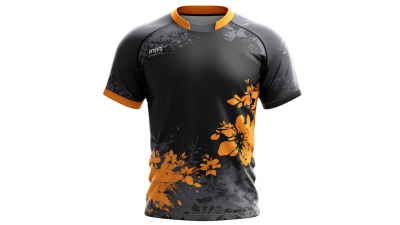
As rugby continues to gain popularity, picking the right gear, especially your jersey, becomes pretty important if you want to play your best. A good-fitting Rugby Jersey isn’t just about showing team pride — it’s also key for staying comfortable and supported through those tough, high-energy matches. Dr. Emily Watson, a rugby gear expert, puts it simply: “The right rugby jersey can really boost an athlete’s game because it’s both breathable and tough.” So, yeah, choosing the perfect jersey is a big deal if you’re serious about your rugby.
In a fast-moving sport like rugby, players need gear that moves with them and doesn’t get in the way. A quality rugby jersey is designed to wick away sweat, withstand constant rough contact, and keep you comfy from the first whistle to the last minute. Thanks to its innovative fabric and custom fit, a good rugby jersey isn’t just clothing — it’s an essential tool that helps you focus on what truly matters: playing your best.
Picking out a rugby jersey isn’t just about how it looks — it’s about helping you perform better on the field. For serious players and teams, investing in a top-notch jersey can boost confidence and make you more resilient — both super important in a game as intense as rugby. Whether you’re a seasoned pro or just starting out, understanding how a well-made jersey can actually improve your game is a game-changer in how you experience the sport.

Factors Influencing Comfort in Rugby Jerseys
When selecting a rugby jersey, several key factors impact the overall comfort and performance on the field. One of the most significant considerations is the fabric used in the jersey's construction. High-quality materials that wick moisture away from the body help players stay dry and comfortable during intense gameplay. Breathable fabrics allow for air circulation, reducing the risk of overheating and fatigue during matches.
Another important factor is the fit and design of the jersey. A rugby jersey should offer a tailored fit that allows for ease of movement while not being overly tight. Features such as raglan sleeves and mesh panels can enhance mobility, enabling players to execute their skills without restrictions. Additionally, attention to the jersey’s weight is crucial; a lightweight design can improve agility while still maintaining durability to withstand the demands of the sport. Ultimately, these elements combine to provide players with a garment that enhances their performance while ensuring maximum comfort on the field.
Materials Used in High-Performance Rugby Jerseys
Rugby jerseys are specifically designed to enhance player comfort and performance on the field, and the choice of materials plays a crucial role in achieving these objectives. High-performance rugby jerseys are typically constructed from advanced synthetic fabrics, such as polyester and nylon blends, which are engineered to offer superior moisture-wicking properties. According to a report by the Sports Clothing Research Institute, such materials can absorb up to 30% more moisture than traditional cotton, keeping players dry and comfortable during intense matches.
In addition to moisture management, high-performance jerseys utilize lightweight and stretchable fabrics that allow for better mobility and range of motion. This is particularly important in rugby, where agility and speed are paramount. Studies indicate that jerseys made with elastane blended with breathable fabrics can provide up to 25% more flexibility compared to non-stretch materials, reducing the risk of restriction during gameplay. Moreover, these materials are often treated with antimicrobial finishes, which help to prevent odor buildup, allowing players to focus on their performance without the distraction of discomfort.
Design Features that Enhance Mobility on the Field
When it comes to rugby, the right jersey can significantly impact your performance on the field. A well-designed rugby jersey not only enhances your comfort but also boosts your mobility, allowing you to focus on the game. Key design features such as moisture-wicking fabric, stretchable materials, and a tailored fit play a crucial role in achieving optimal freedom of movement. These elements ensure that you can pivot, sprint, and tackle without feeling restricted, making them essential for both amateurs and seasoned players alike.
In addition to the fabric and fit, the construction of the jersey greatly contributes to its performance. Features like reinforced stitching and ergonomic seams minimize the risk of tearing during play. Look for jerseys with strategically placed mesh panels, which promote breathability—keeping you cool even during intense matches. As a tip, always choose a jersey that feels lightweight and allows for easy layering, especially when training in varying weather conditions.
Lastly, consider the jersey's design in terms of flexibility. A good rugby jersey should not only support your athletic moves but also adapt to your body’s natural range of motion. Test out different styles to find one that complements your playing style. Remember, a jersey that fits well enhances your confidence, enabling you to perform at your best on the field.
Breathability and Moisture Management in Rugby Clothing
Rugby jerseys are specifically designed to provide optimal breathability and moisture management, making them essential for athletes looking to enhance their performance on the field. According to a study by the Sports Science Institute, proper moisture-wicking fabrics can reduce sweat retention by up to 30%, allowing players to remain dry and comfortable during intense matches. This is particularly crucial in rugby, where the physical demands can lead to substantial perspiration. The use of breathable materials facilitates air circulation, enabling heat dissipation and preventing overheating, which can impair performance.
Moreover, effective moisture management in rugby clothing contributes to improved skin health and comfort. A report from the Journal of Sports Medicine suggests that athletes who wear moisture-wicking garments report 50% less skin irritation compared to those in conventional cotton attire. This is particularly advantageous in rugby, where players often engage in scrums and physical tackles that can cause friction. Understanding the significance of these features in a rugby jersey allows athletes to focus on their game without the distraction of discomfort or potential skin issues, ensuring they perform at their best under varying weather conditions.
Choosing the Right Fit for Optimal Performance
When choosing a rugby jersey, the right fit is crucial to enhance your performance on the field. A well-fitted jersey allows for freedom of movement while providing the necessary support during gameplay. It should comfortably hug your body without being too tight, ensuring you can sprint, tackle, and pass without restrictions. Additionally, consider the length of the sleeves and the body; longer sleeves may hinder wrist movement, while a shorter cut can lead to a breezy feel without compromising stance.
Tips: When selecting your rugby jersey, try on different sizes and styles to see which one offers the best range of motion. Look for fabrics that have a bit of stretch to accommodate your movements without losing shape during intense play.
Another aspect to consider is the jersey's moisture-wicking properties. High-quality materials will draw sweat away from your body, keeping you cool and comfortable throughout the match. This is particularly important as excessive moisture can lead to chafing and discomfort, distracting you from your performance.
Tips: Opt for jerseys with mesh panels or ventilation zones to promote airflow. Additionally, check the care instructions to ensure that you can easily maintain the fabric's performance capabilities over time.
Impact of Jersey Weight on Athletic Performance
When it comes to athletic performance in rugby, the weight of the jersey can play a pivotal role in a player’s comfort and efficiency on the field. According to a report by the International Journal of Sports Science, athletes wearing lighter jerseys tend to exhibit improved agility and speed, as the reduced weight directly correlates with less energy expenditure during gameplay. When jerseys are designed to be lightweight—typically weighing under 200 grams—players can move more freely, allowing for swifter reactions and better overall performance.
Furthermore, a study published in the Journal of Sports Medicine highlighted that heavier jerseys could potentially hinder performance, particularly during high-intensity matches. Players reported feeling fatigued and restricted when wearing jerseys that exceeded the optimal weight threshold. The physiological impact of wearing a heavier jersey is substantial; it can lead to increased heat retention, which in turn affects players' endurance and hydration levels. Lightweight, breathable materials not only enhance comfort but also help regulate body temperature, allowing players to maintain peak performance throughout the match.
In summary, the weight of a rugby jersey is a critical factor that can enhance or impede an athlete's ability to perform at their best. By choosing lightweight materials, players can improve their speed, agility, and overall game effectiveness, making the choice of jersey a significant consideration in rugby gear selection.
Why Choose a Rugby Jersey for Ultimate Comfort and Performance on the Field - Impact of Jersey Weight on Athletic Performance
| Jersey Type | Weight (grams) | Material | Breathability (Rating 1-10) | Flexibility (Rating 1-10) | Durability (Rating 1-10) |
| Classic Rugby Jersey | 350 | Cotton Blend | 7 | 6 | 8 |
| Modern Performance Jersey | 290 | Polyester | 9 | 9 | 7 |
| Lightweight Training Jersey | 250 | Nylon Blend | 10 | 8 | 6 |
| Heavy Duty Rugby Jersey | 400 | Cotton | 6 | 5 | 9 |
Trends in Rugby Jersey Design for Enhanced Comfort
Rugby jerseys have evolved significantly over the years, with design trends focusing on enhancing both comfort and performance for players on the field. According to a recent report from the Sportswear Institute, advances in fabric technology have led to the development of moisture-wicking materials that can reduce sweat accumulation by up to 40%, thus keeping players cooler during intense matches. This innovative fabric technology is crucial as it not only improves comfort but also enhances athletes' performance by allowing them to maintain optimal body temperature.
Furthermore, modern rugby jerseys incorporate ergonomic designs that enable greater freedom of movement. Research from the University of Sports Science indicates that jerseys designed with strategically placed seams and stretchable materials can improve athletic performance by 10-15%, as they allow players to move more freely without restriction. Additionally, many new jerseys include features such as anti-chafe zones and reinforced stitching, which enhance durability and comfort, helping players to focus on their game rather than potential distractions caused by their gear. Overall, the trends in rugby jersey design reflect a strong emphasis on achieving the perfect balance between performance enhancement and player comfort.
Innovative Design and Performance Benefits of High-Quality Ice Hockey Training Jerseys
High-quality Ice Hockey Training jerseys are designed with athletes in mind, offering both innovative design and exceptional performance benefits. Engineered from 100% premium polyester, these jerseys utilize advanced sublimation printing technology to ensure that vibrant colors and intricate designs remain intact, no matter how rigorous the training environment. The professional-grade fabric is not only visually appealing but also features outstanding moisture-wicking capabilities, keeping players dry and comfortable during even the most intense practice sessions.
The tailored fit of these jerseys allows for complete freedom of movement, essential for the dynamic nature of ice hockey. Athletes can execute their skills without feeling restricted, all while maintaining a polished appearance that embodies team spirit. Built to endure the demands of repeated use, these jerseys are resistant to wear from frequent washing and physical contact, making them ideal for both daily drills and competitive practices. By fostering a sense of unity, these jerseys help establish a cohesive team identity, supporting players as they strive for peak performance on the ice.
FAQS
: Breathability in rugby clothing is crucial as it facilitates air circulation, helps with heat dissipation, and prevents overheating, allowing athletes to maintain optimal performance during intense matches.
Effective moisture management in rugby clothing can reduce sweat retention by up to 30%, helping players stay dry and comfortable, thereby enhancing their performance on the field.
Moisture-wicking fabrics can lead to 50% less skin irritation compared to conventional fabrics, which is particularly beneficial in rugby due to the physical contact involved that can cause friction.
Modern rugby jerseys feature advancements in fabric technology that incorporate moisture-wicking materials and ergonomic designs, enhancing comfort and allowing greater freedom of movement for players.
Ergonomic designs with strategically placed seams and stretchable materials can improve athletic performance by 10-15% by providing players with unrestricted movement during the game.
Yes, modern rugby jerseys often include features like anti-chafe zones and reinforced stitching, which contribute to greater durability and comfort for the players.
Properly designed rugby clothing that emphasizes breathability and moisture management allows players to focus on their game without distractions from discomfort, which can lead to improved overall performance.
Given the physical demands of rugby, moisture-wicking technology helps in managing sweat accumulation, allowing players to stay cooler and more comfortable during intense gameplay.
Athletes wearing traditional cotton clothing experience more skin irritation and discomfort. In contrast, modern rugby jerseys mitigate these issues through advanced moisture management and improved design features.
Recent trends in rugby jersey design prioritize a balance between performance enhancement and player comfort, addressing the need for better breathability, moisture management, and ease of movement during matches.
Conclusion
A rugby jersey is essential for athletes seeking ultimate comfort and performance on the field. Several factors influence the comfort of these jerseys, including the materials used, which are often designed for high performance. Advanced fabrics enhance breathability and moisture management, ensuring that players stay dry and focused during intense matches.
Design features also play a crucial role in enhancing mobility, allowing for unrestricted movement essential for a sport as dynamic as rugby. The right fit is vital for optimal performance, as it affects how the jersey interacts with the athlete's body. Additionally, the jersey's weight can impact athletic performance, with lighter options providing an edge. Finally, current trends in rugby jersey design increasingly prioritize comfort, making it easier for players to perform at their best while enjoying the game.