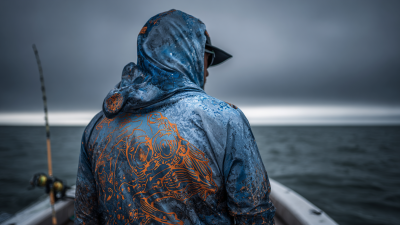
Picking the right Fishing Shirt isn’t just about going for the loudest pattern or the coolest design. Honestly, it really impacts how comfortable you are out on the water, how well you’re protected from the sun, and how easily you can move around or last all day. According to the 2024 Special Report on Fishing and Boating from the Recreational Boating & Fishing Foundation and The Outdoor Foundation, there were about 57.9 million Americans fishing in 2023. That’s a lot of people needing gear that performs well, so choosing good clothing is a pretty big deal, not just a minor detail.
The Skin Cancer Foundation points out that UPF 50 fabric blocks about 98% of UV rays, letting in only around 2%. Dermatologist Dr. Elizabeth Hale even says, “Clothing is the first line of defense against the sun.” And honestly, that makes total sense, especially when you’re out there for hours on shiny water, where the heat bounces around your shoulders and salt can dry out the collar of your shirt. A Breathable material that dries quickly, with secure cuffs and a comfy fit, can really help stop minor irritations from turning into annoying distractions.
You might see a product description like this: UPF 50+ Long Sleeve Fishing Shirt Quick Dry Breathable Fishing Jersey Sun Protection Outdoor Fishing Wear Sublimation Print Fishing Jersey Lightweight Moisture Wicking Angler Shirt. Yeah, it’s a mouthful, but every feature is there for a reason. Just make sure it’s tested and verified—don’t rely solely on pretty claims or printed labels. Take a peek at the seam quality, where the pockets sit, and whether the fabric stays comfy even when worn under a life jacket. Remember, no shirt alone can block every single ray—hats, shade, sunscreen, and taking breaks still totally matter.
Of course, the best option depends on what kind of water you’re on, what the weather’s like, and how you usually fish. A Lightweight shirt might feel perfect early in the morning, but once the midday sun hits hard, it might feel too thin. That’s something many buying guides forget to mention. Comfort is super personal—sometimes, trying things out in real situations can totally change your mind.
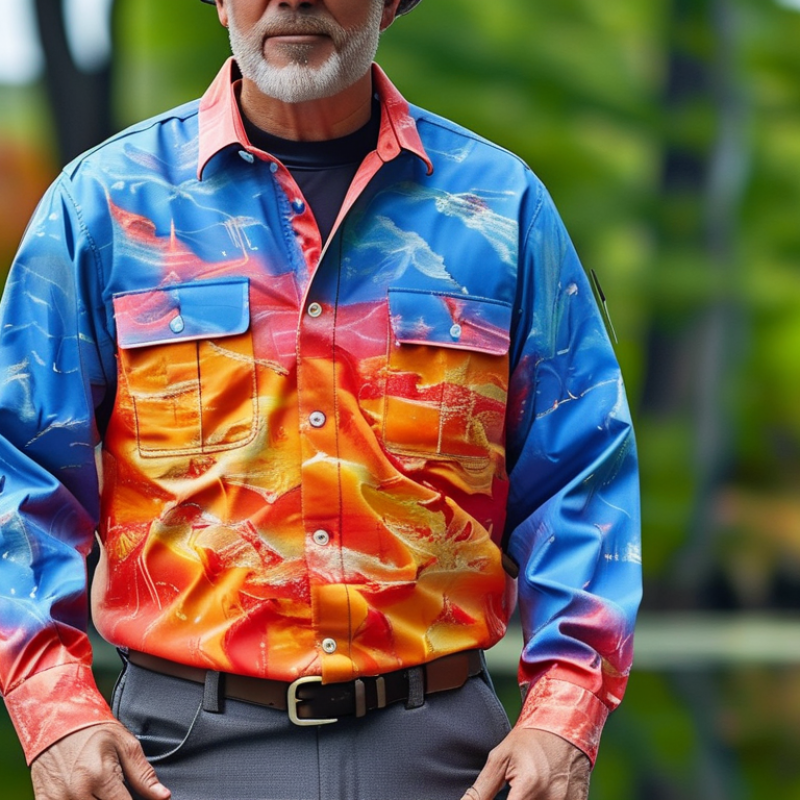
Define Your Fishing Environment and Typical Weather Conditions
How to Choose the Best Fishing Shirt for Your Needs?
Your fishing environment should guide the shirt before appearance does. A shaded freshwater bank demands different protection from an exposed saltwater pier. NOAA Climate Normals use 30-year weather averages, helping you compare heat, rainfall, and seasonal wind. However, averages cannot predict tomorrow’s sudden squall. Check the local forecast before leaving.
In hot, open water, choose a lightweight shirt with breathable fabric, Quick Drying, and long sleeves. NOAA’s National Weather Service recommends protective measures when the UV Index reaches 3 or higher. A collar and tightly woven fabric can reduce direct sun exposure around your neck. For humid conditions, ventilation panels may matter more than extra thickness. Read the water. Wind changes everything. A loose shirt can flap, snag, and feel surprisingly cold after sunset.
Rainy or windy locations need a different balance. A water-resistant outer layer can help, but it may trap sweat during active casting. Look for adjustable cuffs and enough room for movement. I once chose a shirt that dried quickly but ignored its scratchy seams. The trip became uncomfortable after three hours. That mistake still matters. Test the shirt while reaching, bending, and lifting a tackle box. The best choice should match your typical weather, not an imaginary perfect day. Consult NOAA forecasts, local marine advisories, and your own fishing records before buying.
Identify the Key Functions a Fishing Shirt Should Provide
How to Choose the Best Fishing Shirt for Your Needs?
A useful fishing shirt should protect your skin, manage moisture, and support easy movement. Look for tightly woven fabric with tested sun protection, especially during long hours on open water. Breathable panels can release heat around your back and underarms. Quick-drying material also helps after spray, rain, or accidental splashes. Soft seams matter when casting repeatedly. Rough stitching can become irritating by midday.
Tips: Check the fabric label, sleeve length, collar height, and pocket security. Try lifting both arms before buying. Your shirt should not pull across the shoulders. Keep essential items in zipped or covered pockets. A loose fit improves airflow, but excessive fabric may catch on equipment. Small details matter.
I have found that pale colors feel cooler under strong sunlight, although they show stains more easily. That trade-off is easy to overlook. A Custom Design can improve team visibility, but printing should not make the fabric heavy or less breathable. If you are consideringsublimation fishing clothes custom printed fishing jersey options, ask about color durability, fabric weight, and wash care. Reliable sellers should explain testing rather than promise permanent performance. Check the collar after washing. It may twist. A careful fit test, realistic fabric information, and practical storage features often matter more than attractive graphics.
Compare Fabric Types, Sun Protection, and Breathability
How to Choose the Best Fishing Shirt for Your Needs?
Fabric choice affects comfort more than appearance. Polyester dries quickly, resists saltwater, and feels light during long sessions. Nylon is strong and smooth, but it can feel warmer when humidity rises. Cotton feels pleasant at first, then holds sweat against your skin. That becomes uncomfortable under direct sunlight. A loose weave improves airflow, while a dense weave usually offers better sun protection. You often need a compromise.
Look for a tested UPF rating, not vague claims such as “sun safe.” UPF 30 blocks most ultraviolet radiation, while UPF 50 offers stronger protection when exposure is intense. Coverage matters too. Long sleeves, a higher collar, and a longer back shield skin when you lean over the boat. A Sublimation Fishing Shirt can provide vivid patterns without heavy surface ink, but the printing method does not guarantee better protection. The fabric construction still matters.
Breathability depends on more than thin material. Mesh panels beneath the arms can release heat, while moisture-wicking fibers move sweat toward the surface. Try raising your arms before buying. Tight shoulders can restrict casting, even when the shirt feels comfortable indoors. I once chose an ultra-light shirt that dried quickly but flapped badly in strong wind. It looked practical. It was not. Check stitching, sleeve movement, and drying speed after washing. Real comfort appears outdoors, not on a hanger.
Choose the Right Fit, Layering Options, and Range of Motion
How to Choose the Best Fishing Shirt for Your Needs?
A fishing shirt should fit close enough to block sun and insects, but never restrict your cast. The Outdoor Foundation’s 2024 Outdoor Participation Trends Report recorded 57.8 million U.S. fishing participants in 2023. That number reflects many body types and fishing styles. Fit cannot be treated as universal.
Try the shirt with your casting arm raised. The hem should stay near your waistband, while the shoulders should remain smooth. Leave room for a thin base layer in cool weather. A loose overshirt can provide ventilation on hot water, but excessive fabric may catch on tackle. Look for articulated sleeves, underarm panels, and cuffs that do not press against your wrists. I once chose a shirt by chest measurement alone. It looked correct, yet pulled across my back during a long cast. That mistake still influences my fitting routine.
Tips
Wear the layers you expect to use. Move through a full cast, reach forward, and rotate your torso. Check for tight seams. Choose lightweight, quick-drying fabric for humid trips, then test it after sweating. The World Health Organization recommends using the UV Index to guide sun protection decisions. A collar, long sleeves, and dense fabric can help, but clothing is not perfect protection. Inspect the shirt in daylight, too. Some thin materials feel cool yet expose more skin than expected.
How to Choose the Best Fishing Shirt for Your Needs? - Choose the Right Fit, Layering Options, and Range of Motion
General performance guidance for common fishing-shirt constructions. Actual results vary with fabric weight, weave, garment design, and care.
| Shirt Type | Typical Fabric | Best Use | Recommended Fit | Layering Potential | Range of Motion | Sun Protection | Key Consideration |
| Lightweight woven shirt | Lightweight polyester or nylon | Warm-weather boat fishing and general outdoor use | Relaxed; allow room over a base layer | Good; works over a thin moisture-wicking layer | Very good when cut with articulated sleeves or back pleats | Often UPF 30–50+, depending on fabric construction | Choose vented panels for better airflow in hot conditions |
| Stretch performance shirt | Polyester or nylon with elastane | Casting, fly fishing, paddle sports, and active movement | Athletic but not restrictive; avoid tightness across the shoulders | Moderate; best with a close-fitting base layer | Excellent; stretch fabric supports overhead and rotational movement | Commonly available in UPF 30–50+ versions | Check stretch recovery and seam placement before choosing a close fit |
| Ventilated long-sleeve shirt | Breathable polyester, nylon, or blended woven fabric | Direct sun exposure, tropical climates, and extended days outdoors | Relaxed with enough sleeve length to cover the wrists | Good; can accommodate a thin thermal or moisture-wicking layer | Very good if the back and underarm areas are gusseted or pleated | Long sleeves and a tightly woven fabric provide more coverage than short sleeves | Prioritize mesh vents that do not expose large areas of skin |
| Moisture-wicking knit shirt | Knitted polyester or polyester-elastane | High-output activity, humid weather, and frequent casting | Close to the body without compressing the chest or arms | Limited as an outer layer; ideal as a base layer | Excellent; knit construction usually follows body movement easily | UPF varies widely; verify the garment rating instead of assuming protection | A closer fit can improve moisture transfer but may feel warmer under a vest |
| Insulating overshirt | Brushed polyester, fleece-lined fabric, or wool blend | Cool mornings, shoulder seasons, and layering over a base shirt | Relaxed; leave space for one or two thin layers | Excellent as a mid-layer or light outer layer | Good when sleeves and shoulders are shaped for movement | Sun protection is secondary; use a rated outer layer in strong sunlight | Avoid excessive bulk around the elbows and shoulders |
| Quick-dry technical hoodie | Polyester or nylon knit with a hood | Windy water, changing weather, and extra neck or head coverage | Relaxed; hood should fit over the head without blocking peripheral vision | Good over a base layer and under a lightweight shell | Very good if the cuffs and underarms do not restrict movement | Many designs offer UPF 30–50+, but the rating should be confirmed | Select a hood with adjustable coverage and a hem that stays secure while casting |
Fit and movement checklist: Raise both arms, rotate the shoulders, and simulate a casting motion. The shirt should remain comfortable across the upper back, keep the hem from riding up, and leave enough room for the layers you plan to wear. For prolonged sun exposure, look for a tested UPF rating and adequate coverage at the neck, shoulders, and wrists.
Evaluate Pockets, Closures, Ventilation, and Other Features
Choosing a Fishing Shirt starts with your fishing environment, not its appearance. The 2024 Special Report on Fishing recorded 57.8 million U.S. participants in 2023. That scale reflects many conditions, from humid flats to windy reservoirs. Look for two secure chest pockets that hold forceps, line cutters, or a folded license. Zippers resist splashes better, while buttons are easier to repair. I have trusted a shallow pocket, then watched small tools slide out while leaning over a boat. Pocket depth deserves a real test.
Closures should match movement and weather. A full front zipper allows quick temperature changes, but it can feel bulky under a vest. Button cuffs provide useful airflow and sleeve control. Ventilation panels behind the shoulders and under the arms matter during long, motionless casts. The National Oceanic and Atmospheric Administration states that UV exposure rises with the UV Index, especially from late morning through afternoon. Choose a tightly woven Fishing Shirt with a stated ultraviolet protection rating, and inspect the fabric after repeated washing. Ratings can fade. That part is easy to forget.
Tips: Load every pocket before buying. Bend, cast, and reach forward. Check whether closures catch line. Prefer mesh vents that sit away from pack straps. A report can guide you, but your own sweaty afternoon reveals the truth. I still overvalue extra pockets sometimes; more storage can mean more clutter and slower access.
How to Choose the Best Fishing Shirt for Your Needs
Compare the practical importance of key fishing-shirt features before choosing a design. Scores use a 0–10 planning scale, where 10 indicates the feature should receive the greatest attention.
Prioritize ventilation and fabric performance in hot conditions, secure pockets for storage, and reliable closures for adjusting fit and protection. The ideal balance depends on climate, activity level, and the amount of gear you carry.
Match Shirt Care Requirements With Your Fishing Routine
How to Choose the Best Fishing Shirt for Your Needs?
Match Shirt Care Requirements With Your Fishing Routine
Your fishing shirt should fit your maintenance habits, not only your casting style. The WHO and ILO estimated that 1.6 billion outdoor workers faced solar ultraviolet exposure in 2019. Their joint 2023 report also linked this exposure to nearly 19,000 non-melanoma skin cancer deaths. That makes sun coverage a practical safety choice, especially during long sessions. An anti-uv fishing shirt with a high collar, dense fabric, and long sleeves can help reduce exposed skin.
Care instructions matter on the water. Salt, sunscreen, fish slime, and repeated drying can make a shirt feel rough. Rinse it with fresh water after every saltwater trip. Wash it with mild detergent, and avoid bleach or fabric softener. These chemicals may weaken fibers or affect performance finishes. Dry the shirt in shade, not on a hot metal rail. Small habits help.
NOAA’s UV Index places readings of 6 to 7 in the high range and 8 to 10 in the very high range. Check the forecast before choosing a lightweight shirt for midday fishing. For weekly anglers, select fabric that tolerates frequent machine washing. For occasional trips, a more delicate sun shirt may still work. I once ignored care labels and left a shirt damp in a tackle bag. It smelled terrible the next morning. That mistake changed my routine. Inspect stretched panels, fading, and loose seams before trusting any shirt for another full day outdoors.
FAQS
Match the shirt to local heat, wind, humidity, rain, and sun exposure. A shaded riverbank needs less ventilation than an exposed pier. Check the forecast before leaving.
Choose lightweight, breathable, quick-drying fabric with long sleeves and a raised collar. Ventilation panels can release heat from your back and underarms. Pale colors may feel cooler, but they show stains easily.
It can help during light rain and spray. However, thicker water-resistant fabric may trap sweat during active casting. Adjustable cuffs and breathable layers offer a better balance.
Raise your casting arm, bend forward, rotate your torso, and lift a tackle box. The shoulders should stay smooth. The hem should remain near your waistband.
A close fit can reduce exposed skin and prevent snagging. A slightly loose fit improves airflow and allows a thin base layer. Too much fabric may catch on equipment.
Look for tightly woven fabric, quick drying, soft seams, and breathable panels. Check the sleeve length, collar height, and fabric weight. Thin fabric is not always protective enough.
Zipped or covered pockets can keep small items secure during movement. Soft seams reduce irritation after repeated casting. A twisted collar after washing is a warning sign.
Leave room for a thin base layer during cool mornings. Add a breathable outer layer when wind or rain increases. Do not trust averages alone. Sudden weather changes happen.
No. Breathability, movement, drying speed, and comfort matter more than appearance. Printing should not make the fabric heavy or stiff. I once ignored scratchy seams. Three hours felt much longer.
Conclusion
Choosing the best Fishing Shirt begins with understanding where and when you usually fish. Consider the climate, sunlight, humidity, wind, rain, and the amount of time you spend outdoors. A suitable shirt should support comfort, sun protection, moisture management, quick drying, and durability. Compare fabric types carefully, since lightweight materials may improve breathability while tightly woven or specially treated fabrics can offer stronger protection from ultraviolet rays. The ideal choice should also fit comfortably without restricting casting, bending, or reaching.
Pay attention to practical details such as adjustable cuffs, secure closures, ventilation panels, and well-placed pockets for essential items. If you fish in changing conditions, select a design that works comfortably over a base layer or beneath a jacket. Finally, match the shirt’s care requirements with your routine. Easy-care materials are useful for frequent trips, while specialized fabrics may require gentler washing. By balancing weather protection, movement, features, comfort, and maintenance, you can select a Fishing Shirt that performs reliably throughout your regular outings.