The Soccer Kit industry is really going through some pretty exciting changes lately. With new designs, better materials, and tech advancements, the future of sportswear looks brighter than ever. I read a recent market report that says the global soccer apparel market could hit $20 billion by 2025 — mostly because more folks are looking for personalized, high-performance kits that stand out. In this crowded space, Shenzhen Doosan Sports Co. Ltd. has been making a name for itself since 2014 by offering custom services like logo design, plus sizes, different fabrics, and unique patterns.
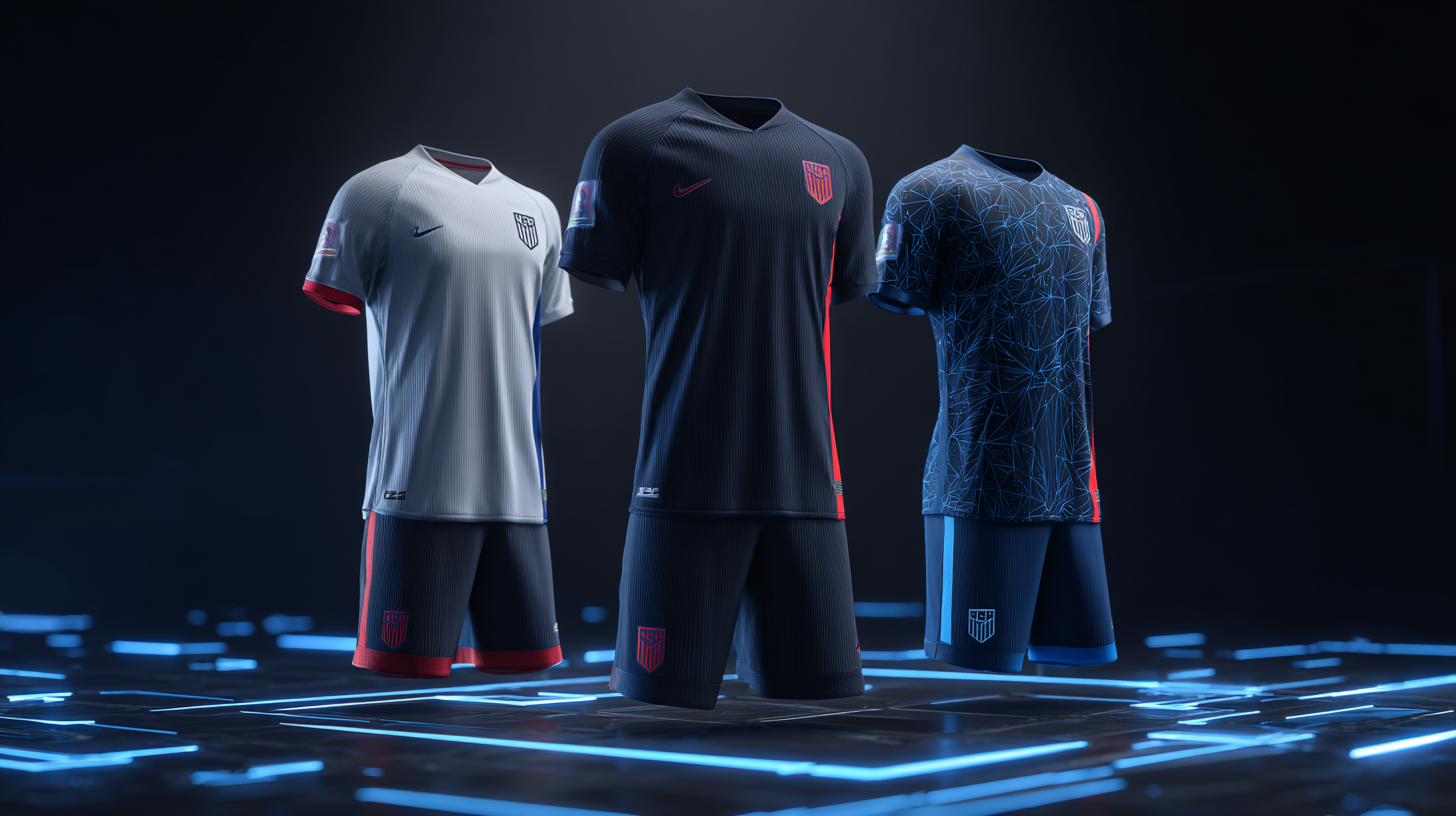
Plus, with more consumers getting eco-friendly and the buzz around smart textiles growing, soccer kits are not just about looking good anymore — they have to be functional and sustainable, too. It’s like we’re stepping into a whole new era of sportswear. As brands jump on these trends, the soccer kits of the future won’t just be sports gear—they’ll basically be a showcase of innovation and dedication to top-notch performance.
The Rise of Smart Fabrics: Revolutionizing Soccer Kit Performance Metrics
As soccer keeps evolving, we're starting to see some pretty exciting tech in the gear players wear—smart fabrics are really about to shake things up. If you haven’t heard, the global market for smart textiles is projected to hit around $6 billion by 2024, growing at a solid rate of 20% each year. That’s mainly because everyone’s looking for new ways to boost player performance and make games even more engaging for fans. These fabrics, embedded with tiny sensors, can track things like heart rate, body temperature, and muscle activity in real-time. It’s such a game changer—coaches and trainers can see exactly how players are doing during training, which helps prevent injuries before they happen.
And honestly, integrating smart materials into soccer kits opens up a whole new world for sportswear. A study by the Sports Innovation Alliance found that more than 70% of pro players are curious about jerseys that give performance feedback right from embedded tech. It’s not just about better athletic results—these advances also make for pretty cool fan experiences, giving supporters a whole new way to connect with the game. Brands that jump on this tech train and innovate with smart textiles aren’t just selling new gear—they’re building stronger bonds between players and fans in this fast-moving soccer scene.
Sustainability in Soccer Kits: Eco-Friendly Materials and Consumer Expectations
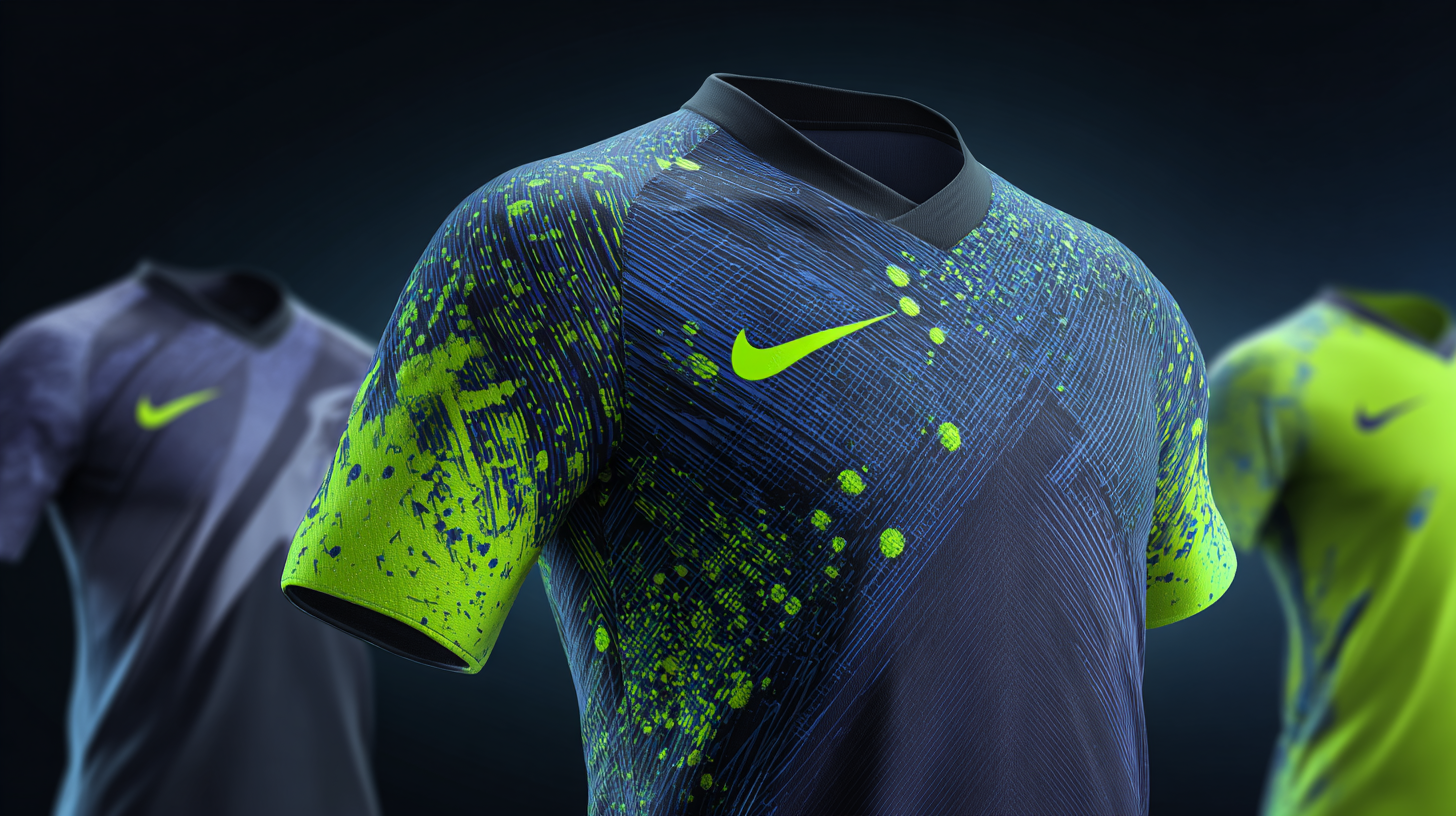
You know, the world of soccer kits is changing pretty fast right now. Everyone’s talking about making gear that's more eco-friendly and sustainable—it's like the coolest trend lately. Brands are really jumping on board with using new fabrics that are better for the planet, so athletes can give it their all without leaving a huge carbon footprint behind. For example, more and more companies are tossing in recycled materials or organic cotton into their designs. Not only does that fit with today’s environmental values, but it also meets what consumers are now expecting—responsible production and eco-conscious choices.
And here's the thing—since folks in the sportswear world are starting to notice this whole shift towards sustainability, there's a real chance for brands to stand out. I read somewhere that about 39% of people are even willing to pay a bit extra for sports gear that’s made responsibly. That’s a pretty huge market opportunity for brands that want to lead the charge in doing the right thing for the planet. It’s a win-win—they show they care, and consumers feel better about supporting brands that are serious about sustainability, which can only mean more loyalty down the line.
The Future of Soccer Kits: Innovations Shaping the Global Market
| Innovation Type | Description | Material Type | Consumer Expectation Level | Environmental Impact |
| Recycled Polyester | Utilizing recycled plastic bottles to create fabric for kits. | Recycled Plastic | High | Reduces plastic waste and carbon footprint. |
| Organic Cotton | Cotton grown without pesticides or fertilizers. | Cotton | Medium | Less water usage and chemical runoff. |
| Biodegradable Fabrics | Fabric that can decompose naturally after disposal. | Natural Polymers | High | Reduces landfill waste with sustainable decomposition. |
| Smart Fabrics | Fabrics that monitor athlete performance and adjust temperature. | Synthetic Blends | High | Energy-intensive production but enhances athlete efficiency. |
| Water-Resistant Coatings | Special coatings to keep kits dry in wet conditions. | Synthetic Chemicals | Medium | Potential harmful chemical runoff. |
Personalization Trends: How Fan Engagement is Driving Custom Kit Designs
You know, the way soccer kits are evolving these days is really fascinating — it’s all about personalization, and fans are driving that trend like crazy. The global market for football jerseys is expected to grow from around 7.6 billion dollars in 2024 to over 12 billion by 2033, which just shows how much people want something unique. No more vanilla jerseys; fans want gear that really expresses who they are and what they stand for. That’s why brands are stepping up their game, offering tons of customization options—think adding names, numbers, or even cool patterns and colors that are totally your style.
And it doesn’t stop there. Partnerships between sports leagues and tech companies are really shaking things up. For example, a big fantasy league recently teamed up with a popular creativity platform, giving fans a whole new way to interact and get involved. It’s like, now you can dive deeper into the sport, making your custom kit a big part of your soccer experience. Companies like Shenzhen Doosan Sports are jumping on this train too, offering more personalized options to connect with all kinds of fans. So, in a way, these trends are making the whole soccer kit game way more fun and meaningful for everyone involved.
Technological Integration: Analyzing the Role of Wearable Tech in Soccer Apparel
As soccer keeps evolving, so do the shirts and gear players wear on the field. Something pretty cool happening these days is how wearable tech is starting to change the game—not just for players but for coaches too. Think about it: from tracking how well you're doing out there to making sure you stay comfy during those intense matches, the latest in fabric and tech is really pushing the boundaries of smart gear. Some jerseys even have sensors inside that send data in real time, giving coaches a peek into your stamina, speed, and overall performance — pretty awesome, right?
So, if you're on the hunt for new soccer gear, it's worth thinking about how these innovations can actually boost your game. Look for kits made with moisture-wicking fabrics—these help you stay cool and dry during those crazy matches. Also, check out brands that are rocking wearable tech; they might just take your training and on-field performance to the next level. And don’t forget, comfort is key—make sure your kit fits well because that really helps with mobility and can even lower the chance of injuries.
Oh, and keep an eye on the latest trends in wearable tech, like GPS trackers and heart-rate monitors. They’re becoming pretty much standard now. Investing in high-quality, tech-savvy gear isn’t just about performance — it’s also about being part of this exciting shift in the sport. So, embrace these new innovations, and turn up your game with the future of soccer gear. Who knows what’s next?
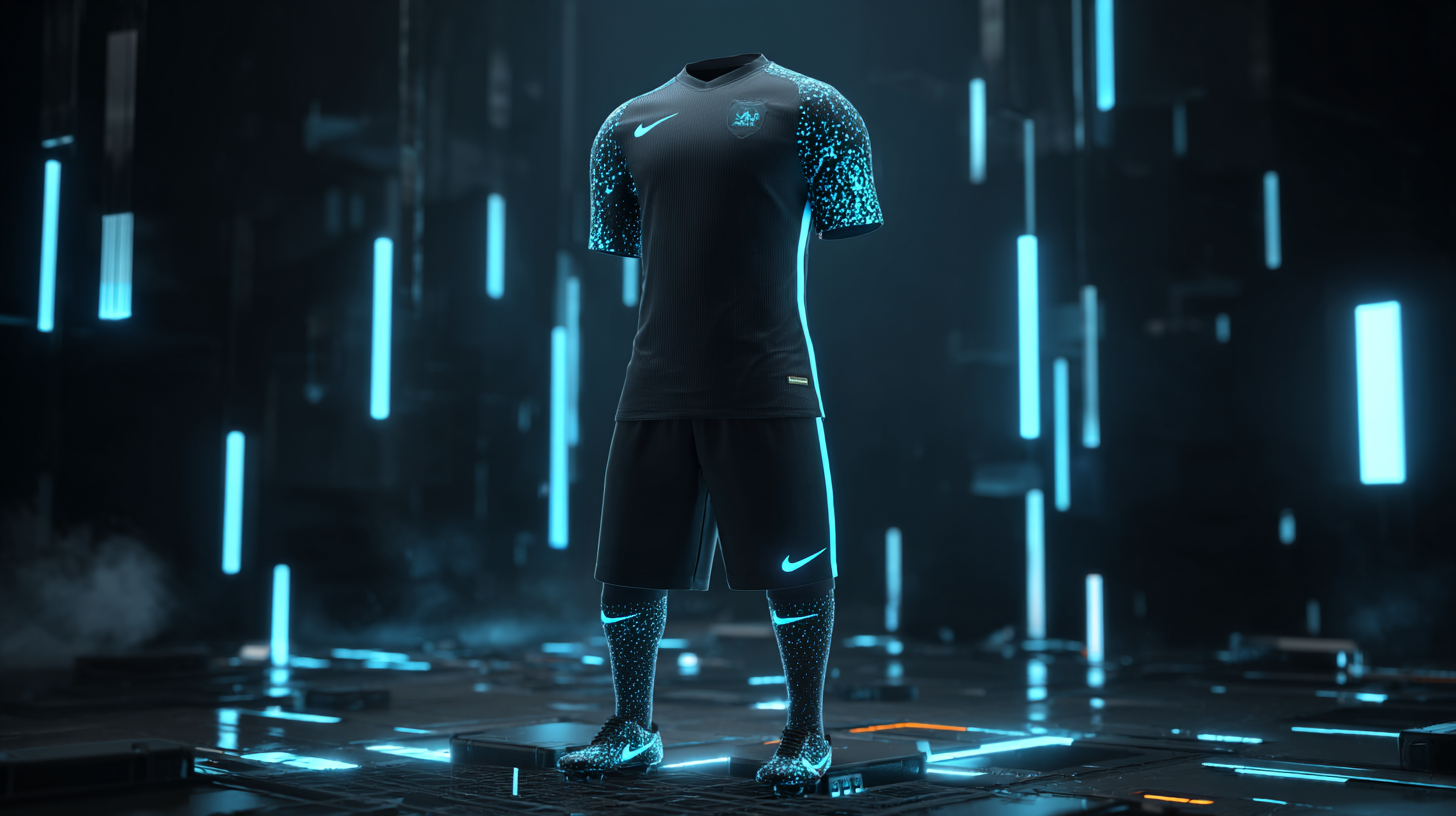
Market Growth Projections: Understanding the Economic Impact of Innovative Soccer Kits
Hey, have you noticed how the global soccer jersey market is really picking up speed? It was valued at around $7.62 billion in 2024, and experts are predicting it’ll reach about $12.15 billion by 2033. That’s quite a jump! A lot of this growth comes down to people wanting more innovative designs and those eco-friendly materials that everyone’s talking about these days. Brands are also trying to step up their game—think along the lines of that ‘Own the Game’ strategy—they’re focusing on creativity and really engaging with fans to boost sales and grow their slice of the market, all the way through 2025.
If you’re looking to jump into this booming market, it’s smart to tune into what fans actually want — stuff that looks great but also performs well on the field. These days, having stylish, high-performance kits isn’t just a nice-to-have; it’s pretty much a must. Plus, considering that the soccer sportswear market is expected to grow at about 6.9% per year, brands have a prime opportunity to roll out versatile products that work both for playing and just showing off off the pitch.
Pro tip: When choosing a soccer kit, don’t just go for what looks good — think about how well it works in real life and if it’s eco-friendly. People are more likely to support brands that genuinely care about sustainability.
Another tip: Keep an eye on market trends and what fans are into. Engaging with them through social media or interactive platforms can give you some pretty valuable insights into what kind of innovations or styles they’re craving right now.
The Influence of Social Media on Soccer Kit Design and Sales Strategies
You know, in the ever-changing world of soccer kits, social media has really become a game-changer. Platforms like Instagram, Twitter, and TikTok aren’t just for catching funny videos or memes anymore—they’re actually shaping how brands design and sell their gear. What’s pretty cool is how these platforms let brands talk directly with fans and customers. It’s like having a two-way street where fans can share their thoughts on colors, styles, or designs—they get a say in what’s coming out. Sometimes, those ideas even end up in the final product! It’s almost like fans are co-creating the kits, which makes it all feel more personal and fun.
Plus, social media totally transformed the way soccer kits are marketed. Brands now team up with influencers and post eye-catching content to hype up new releases. This creates buzz and gets fans eagerly waiting for what's next. Limited editions and promos tend to sell out fast because everyone’s eager not to miss out — you know how fans get with that sense of urgency. Hashtags help boost visibility too, making it easier for brands to see what people are into right now. Basically, social media isn’t just a side tool anymore; it’s become central to how these companies plan their strategies around kit design and connecting with fans. It’s a pretty wild shift from the old days, but honestly, it feels more engaging and real for everyone involved.
Maximize Performance: Insights from Recent Sports Apparel Market Trends on Custom Made Blue Full Sublimation Jersey Kits
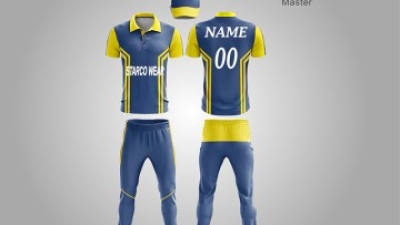
In the dynamic world of sports apparel, the latest trends highlight a shift towards personalization and performance enhancement. The custom made blue Full Sublimation Jersey kits are at the forefront of this movement, specifically designed to cater to the unique needs of athletes. These kits not only exemplify the latest in sportswear technology but also support teams in expressing their identity through tailored designs. With the ability to incorporate specific color combinations, logos, player names, and numbers, teams can truly stand out on the field.
Choosing a custom made sports jersey and trouser kit allows teams to maximize their performance while ensuring they represent their brand effectively. At Cricket Best Buy, we understand the importance of quality and design in Cricket Uniforms. In collaboration with top manufacturers, we offer a premium range of cricket color clothing that is 100% customizable. Whether it's a vibrant shade of blue or intricate designs that capture your club's spirit, we work with you to bring your vision to life. This attention to detail not only enhances team unity but also boosts players' morale, allowing them to focus on their game with confidence.
FAQS
: Smart fabrics are textiles embedded with sensors that monitor vital signs such as heart rate, temperature, and muscle activity, enhancing player performance and safety.
The global smart textiles market is expected to reach approximately $6 billion by 2024, with a compound annual growth rate (CAGR) of 20%.
Smart fabrics allow coaches and trainers to make informed decisions during training sessions and help in the prevention of injuries by providing real-time data.
Yes, according to a study by the Sports Innovation Alliance, over 70% of professional players are interested in wearing jerseys that provide performance feedback through embedded technology.
Social media platforms enable brands to engage directly with fans, allowing them to voice opinions on designs and styles, leading to a more personalized and consumer-driven approach to kit production.
Brands leverage influencer partnerships, captivating visual content, promotions, and limited-edition releases to create excitement and drive sales quickly.
Hashtags amplify visibility and encourage engagement, making it easier for brands to track trends and preferences among fans.
Social media has become a cornerstone of strategic planning in the soccer kit market, fundamentally changing the way kits are designed, marketed, and sold.
Conclusion
The future of soccer kits is pretty exciting, and it looks like we're on the brink of some cool changes. Thanks to new tech and what fans are really looking for these days, things are about to get interesting. For starters, smart fabrics are starting to make their way into kits—meaning players can get real-time data to help improve their game. Pretty awesome, right? And it’s not just about performance; sustainability has become a big deal too. More brands are now using eco-friendly materials, which is great because fans are seriously caring more about products that are good for the planet.
On top of that, personalization is really changing the game. Fans now want to stand out and show off their own style, so we’re seeing more custom kits that celebrate individual personalities and boost that fan-team connection. Wearable tech embedded in soccer gear is another trend that's gaining traction — it’s all about tracking performance and keeping an eye on health on and off the field. When we look at the bigger picture, these innovations are definitely making a financial impact, and social media? It’s playing a huge role by connecting brands directly with fans and shaping how kits are designed and sold. At Shenzhen Doosan Sports Co. Ltd., we’re all about creating soccer kits that don’t just follow the trends but are also tailored to our clients’ unique ideas and needs. We’re excited to be part of this journey!