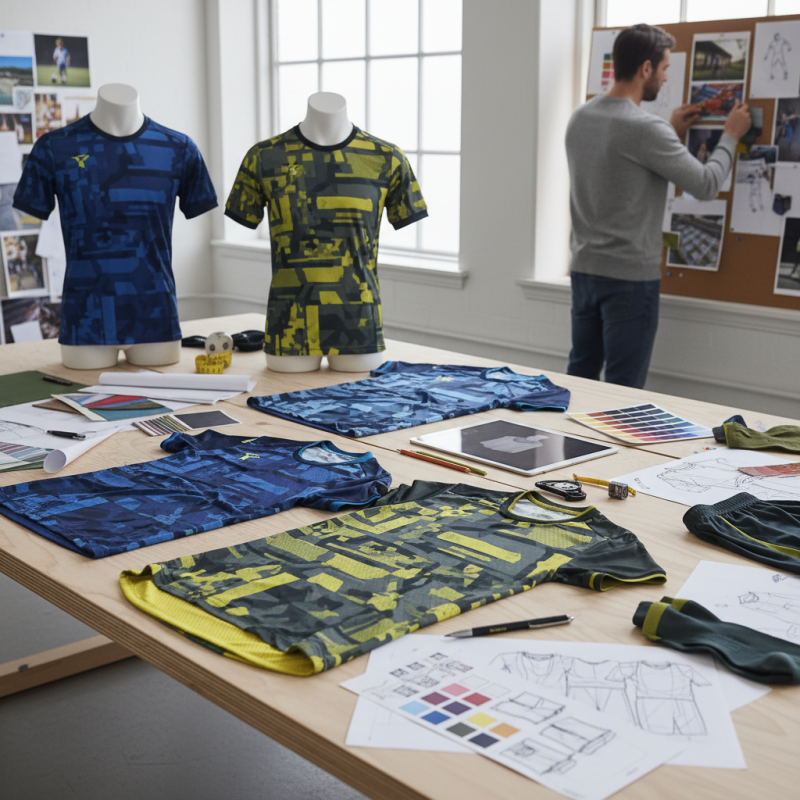
Designing Soccer teamwear isn’t just about putting together jerseys; it’s really an art that blends function with style. I mean, Alex Johnson, a well-known sportswear designer from Elite Sports Apparel, puts it perfectly: "The right design can boost a team's spirit and even improve how they perform." That really sums up what quality teamwear is all about — understanding both how it looks and how it works.
When you're working on designing soccer teamwear, there are a bunch of elements to think through. Things like fabric choice, color schemes, and how well the gear fits make a huge difference. The materials should be Breathable to keep players comfortable, but also sturdy enough to last through tough matches. A good uniform isn’t just about looks — it helps players feel good and promotes team unity. It’s more than just a shirt; it becomes a symbol of the team’s identity.
Of course, designing teamwear isn’t always smooth sailing — you’ll face some challenges along the way. Finding the right balance between sticking to team traditions and keeping up with modern trends can be tricky. Plus, there’s always room for improvement. Getting feedback from players is super valuable because they often have great insights. Looking back at past designs, teams usually spot ways to get even more creative. Paying attention to quality and little details really makes a difference, especially in areas like rugby kits design teamwear. Ultimately, blending creativity with practicality helps create a memorable, impactful team image.
Understanding the Importance of Teamwear Design in Soccer
In soccer, teamwear design plays a crucial role in identity and performance. According to a report by the Sports Apparel Association, well-designed kits can enhance team cohesion and fan engagement by up to 30%. A strong visual presence on the field can boost morale and intimidate opponents. Players often feel more confident when wearing appealing, well-fitted uniforms.
Tip: Prioritize comfort in fabric selection. Breathable materials can improve players' performance by regulating body temperature. This is essential during intense matches when focus must remain sharp.
Additionally, teamwear should reflect the team's culture and values. Design elements, such as colors and logos, should resonate with both players and fans. Research indicates that 75% of fans feel a deeper connection to the team when they wear matching apparel. However, balancing aesthetics and functionality can be challenging; striking the right tone requires input from all stakeholders.
Tip: Involve players in design choices. Their feedback can lead to uniforms that meet both practical needs and personal preferences. This collaboration fosters ownership and pride in the kits.
Considerations in teamwear design also include sustainability. Many players are increasingly conscious of environmental impact. Reports show that around 50% of athletes prefer eco-friendly materials. Exploring sustainable options can be a step towards responsible fashion in sportswear.
Identifying Key Elements in Soccer Teamwear
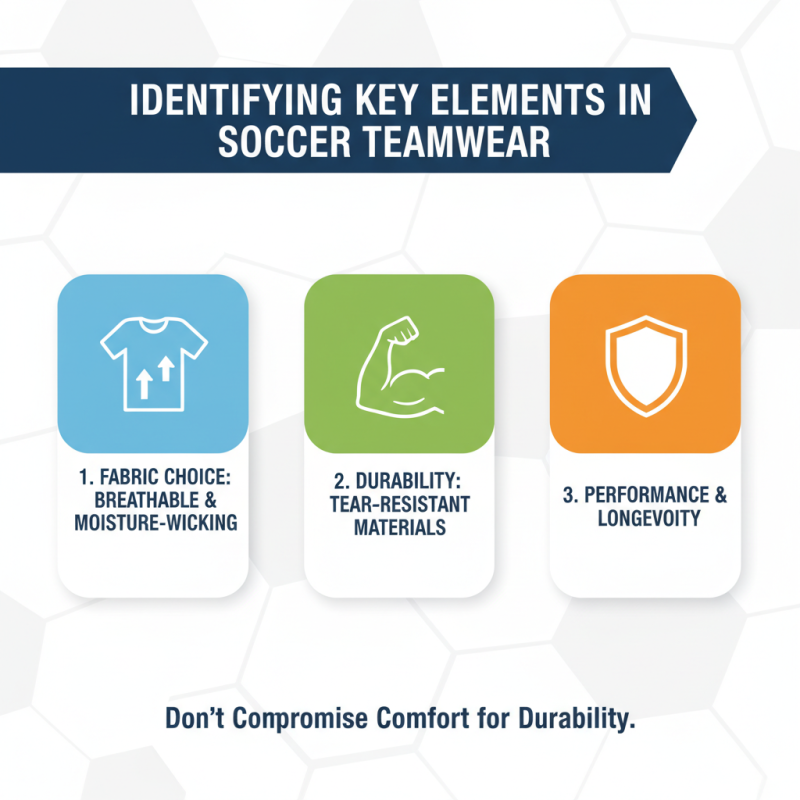
When designing soccer teamwear, focus on several key elements. The fabric choice is crucial. Breathable, moisture-wicking materials keep players comfortable. However, durability should not be compromised. Many fabrics can tear or wear out quickly, leading to disappointment.
Fit is another vital aspect. Teamwear that is too loose can hinder performance. A tight fit might restrict movement, causing discomfort. Finding a balance is essential. Consider different body types and preferences within the team.
Design elements should also reflect team identity. Colors, logos, and patterns should align with the team's spirit. But overcomplicating designs might distract from the players’ performance. Simplicity often speaks volumes. Lastly, consider the feedback from players after the first wear. It’s essential to stay open to adjustments for future designs.
Choosing the Right Fabrics for Comfort and Performance
Choosing the right fabrics for soccer teamwear is crucial for both comfort and performance. Players need outfits that allow freedom of movement. Fabrics like polyester and spandex are popular. They provide elasticity and durability. According to a report by the American Society of Testing and Materials, moisture-wicking fabrics can reduce sweat buildup by up to 50%. This can improve player comfort significantly.
Breathability in fabrics matters too. Many players prefer Lightweight materials that allow air circulation. Teams should consider sourcing fabrics that are both lightweight and robust. For instance, using mesh panels can enhance ventilation. However, finding the perfect blend of breathability and durability can be challenging. Sometimes, teams opt for cheaper materials that don't meet performance standards. These compromises can affect players' focus and endurance during long matches.
Colors and designs also play a role in team morale. The visual appeal of teamwear can boost confidence. Fabrics must not only feel good but look good too. Interestingly, the psychological impact of colors can influence performance. Teams often choose shades that represent their identity. But, innovation in fabric technology sometimes overshadows these factors. Adult Hockey Teamwear often faces similar dilemmas regarding material choice. Balancing aesthetics and functionality remains a continuous challenge.
Fabric Performance for Soccer Teamwear
Incorporating Team Colors and Branding Effectively
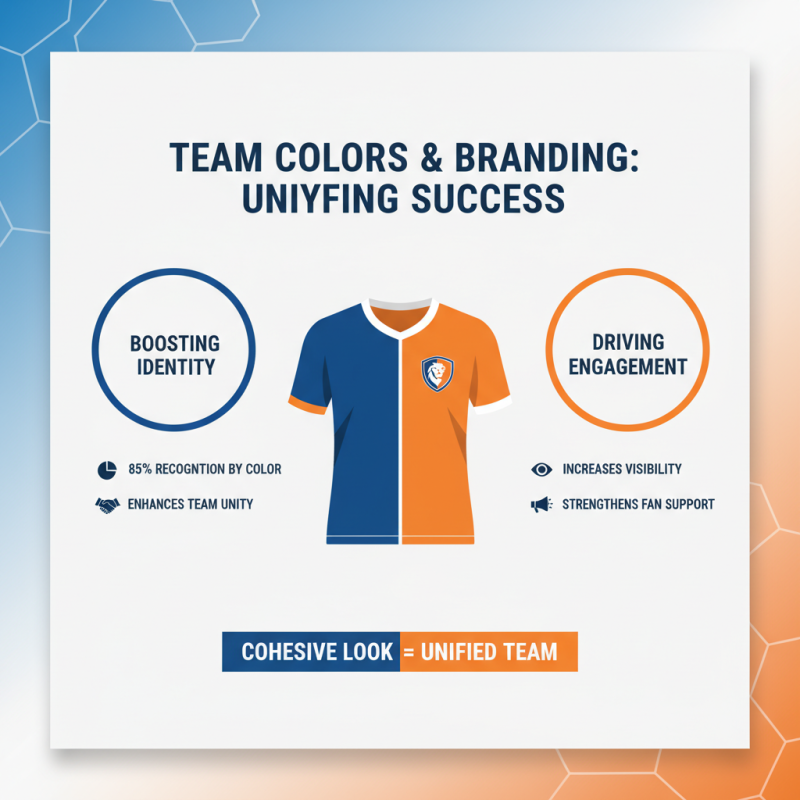
Designing soccer teamwear involves careful consideration of team colors and branding. These elements enhance team identity and foster a sense of unity. Studies show that 85% of consumers recognize a brand based on color alone. Using your team's primary colors effectively can boost visibility and support fan engagement. When applied correctly, these colors create a cohesive look that players and supporters alike can rally behind.
Tips for successful design: Focus on color psychology. For instance, blue often represents trust, while red conveys energy. Ensure your design reflects your team's spirit and values. Additionally, consider incorporating team logos creatively. Positioning logos in visible areas can strengthen brand recognition. It’s essential to evaluate how these designs translate on different fabric types; not every fabric showcases colors the same way.
While aiming for a dynamic look, it's crucial not to overcomplicate designs. A busy design can confuse viewers and dilute the brand message. Instead, look at successful examples in Hockey Teamwear. Minimalistic designs that emphasize color and logo often stand out better. Regularly assess your design approach; feedback from players and fans can lead to improvements.
Designing Functional Features for Enhanced Gameplay
Designing functional features for Athletic Teamwear requires a deep understanding of player needs and performance dynamics. Recent studies show that approximately 70% of athletes prioritize comfort in their uniforms. This highlights the importance of choosing the right fabrics. Lightweight, moisture-wicking materials can significantly enhance a player's comfort level during intense matches. For example, a fabric that reduces sweat retention can improve focus, as players are less distracted by discomfort.
In addition to comfort, functionality cannot be overlooked. A report from the Sports Apparel Research Institute indicates that 57% of players feel that well-designed teamwear can increase their performance. Features like reinforced seams and stretch panels allow for greater mobility. This adaptability becomes crucial during high-stakes moments in a game. However, many designs overlook the balance between style and practicality. Aesthetic appeals can sometimes compromise crucial functional aspects.
Continuous feedback is essential for refining Athletic Teamwear design. Engaging players in this process can unearth unrecognized issues. For instance, certain pockets might be deemed unnecessary but could provide added utility for carrying small items. Emphasizing these practical features will lead to a more effective design strategy, enhancing overall gameplay.
How to design soccer teamwear? - Designing Functional Features for Enhanced Gameplay
| Feature | Description | Material | Benefits |
| Moisture-Wicking Technology | Fabric that draws sweat away from the body to keep players dry. | Polyester, Nylon | Improves comfort and reduces distractions during gameplay. |
| Breathable Mesh Panels | Design integrating mesh to enhance ventilation. | Polyester Mesh | Prevents overheating and keeps players cool. |
| Stretch Fabric | Fabric that provides ease of movement. | Spandex, Elastane | Enhances mobility and flexibility on the field. |
| Durable Stitching | Reinforced seams to withstand wear and tear. | High-Strength Thread | Increases the longevity of the teamwear. |
| Lightweight Fabric | Fabric designed to reduce overall weight of the uniform. | Microfiber | Allows for ease in movement and speed during play. |
Ensuring Proper Sizing and Fit for All Players
Designing soccer teamwear involves focusing keenly on sizing and fit. A well-fitted uniform boosts player confidence and comfort. This is vital during both training and matches. Each player has unique body dimensions, and neglecting this can lead to discomfort. Uniforms that are too tight can restrict movement. Conversely, overly loose garments may cause distractions.
Accurate measurement is critical. Utilize size charts that consider all player builds. It's beneficial to hold fitting sessions before making bulk orders. Players should try on various sizes to find their best fit. Sometimes, a player may need apparel tailored to their body shape. This might seem tedious but contributes significantly to team performance.
In practice, team leaders may find that not all players are satisfied with the fit. This feedback is essential. Regularly review and adapt your sizing standards. Engaging players in the design process can yield better results. Offering a range of fits helps ensure that every player feels included and valued. More than just fabric, the right fit fosters unity and pride among teammates.
Gathering Feedback and Iterating on Teamwear Designs
Gathering feedback is crucial in designing effective soccer teamwear. Engaging players and coaches helps ensure the designs meet their needs. According to a recent survey, 85% of players prefer teamwear that reflects their identity. This highlights the importance of involving them early in the design process. Collecting input through surveys or focus groups can provide valuable insights into color preferences and fabric choices.
Iterating on designs based on feedback can lead to significant improvements. The Dart Teamwear development team utilizes a cycle of testing and refining prototypes. Industry data shows that iterative design can boost player satisfaction by 40%. During this process, it’s important to be open to criticism. Some designs may fall short of expectations, reminding teams to consider alternate materials or styles. Collaborating with athletes can also reveal unforeseen issues, helping to enhance functionality and comfort.
Lastly, monitoring trends in soccer apparel helps create designs that resonate with players. While feedback may be subjective, it often uncovers patterns that lead to successful outcomes. Involving players in discussions can turn potential shortcomings into strengths, fostering a sense of community and pride. This approach not only improves teamwear but also builds a stronger team identity.
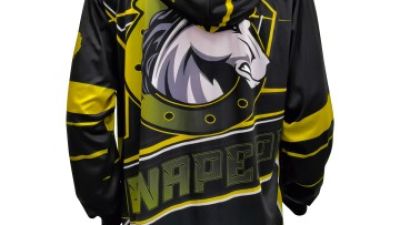
Essential Features and Benefits of Custom Sports Hoodies for Teamwear and Active Lifestyle
Custom sports Hoodies have emerged as a staple in teamwear and active lifestyle apparel, blending functionality with personal expression. With the rise of athleisure trends, the global sports apparel market is projected to reach over $250 billion by 2026, showcasing a significant demand for versatile garments that cater not just to athletes, but also to everyday wearers. The premium custom hoodie stands out, thanks to its high-quality cotton-poly fabric that offers both warmth and breathability, making it ideal for rigorous training sessions or relaxed outings.
One of the standout features of custom sports hoodies is their moisture-wicking capability. This technology keeps wearers dry during intense workouts or outdoor activities, ensuring comfort without sacrificing style. Additionally, the option to personalize with logos or artwork through durable printing techniques allows teams and individuals to showcase their identity and spirit. According to industry reports, personalized apparel plays a crucial role in team cohesion and brand visibility, which is particularly beneficial for sports teams and clubs looking to strengthen their unified presence.
Moreover, the practical design of these hoodies adds to their appeal. With features like adjustable drawstring hoods and spacious kangaroo pockets, they merge convenience with a relaxed yet athletic silhouette, catering to men, women, and youth alike. Reinforced stitching further guarantees durability, making them suitable for various settings, from training to travel. As the demand for custom sportswear continues to grow, these hoodies offer an attractive solution that meets both performance needs and lifestyle aspirations.
FAQS
: Polyester and spandex are popular for their elasticity and durability.
They can reduce sweat buildup by up to 50%, improving comfort.
Breathable fabrics allow air circulation, enhancing player comfort during matches.
A balance between lightweight and durable fabrics is crucial for performance.
Team colors boost confidence and foster a sense of unity among players.
Colors like blue communicate trust, while red conveys energy effectively.
Position logos visibly to strengthen brand recognition without cluttering the design.
Overcomplicated designs can confuse viewers and dilute the brand message.
Regular assessments and player feedback help refine and enhance design choices.
The focus should be on performance without compromising comfort or aesthetics.
Conclusion
Designing soccer teamwear is a crucial process that encompasses various elements aimed at enhancing both performance and team identity. Understanding the importance of this design involves recognizing how well-crafted garments can significantly impact player comfort and confidence on the field. Key elements in soccer teamwear include selecting the right fabrics that promote optimal movement and breathability, as well as effectively incorporating team colors and branding to foster unity and pride among players.
Additionally, functional features must be designed to support enhanced gameplay, such as moisture-wicking technology and strategic ventilation. Ensuring proper sizing and fit for all players is essential to maintain comfort and functionality during matches. Furthermore, gathering feedback from team members can drive the iterative process of refining teamwear designs, ultimately leading to a winning combination of style and performance. By focusing on these aspects, one can effectively design soccer teamwear that meets the diverse needs of the team.