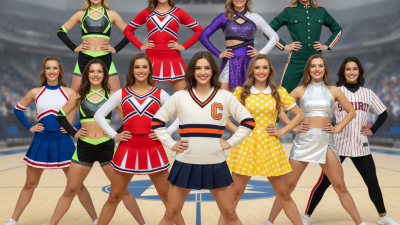
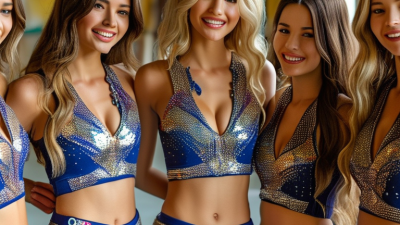
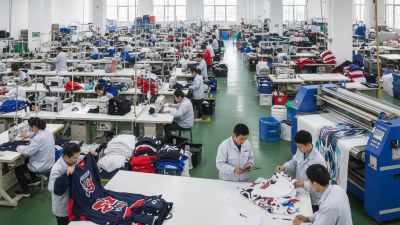
A Cheerleading Uniform isn’t just about a bright skirt and a matching top, you know. It’s really about shaping movement, showcasing team spirit, and boosting an athlete’s confidence when they’re on the floor. Usually, coaches take a careful look at how it fits during jumps, flips, lifts, and those quick arm motions. What might look spot-on while just standing can sometimes pinch or pull when someone’s in the middle of a stunt—that small detail actually makes a big difference.
Most uniforms typically include a fitted top, skirt or shorts, briefs, socks, and supportive shoes. The fabrics should feel smooth and stretchy, while also being able to handle sweat during all those routines. And don’t forget about the seams! Rough stitching can really distract an athlete right before they hit the stage. Luckily, good Manufacturers offer clear size charts, fabric info, care instructions, and even sample options. These little details help teams make smarter choices instead of just guessing from pictures.
Picking the right cheerleading uniform isn’t just about looks — it depends on things like age, skill level, the weather, budget, and what the team actually needs. School teams might go for something simple and easy to keep clean, while competitive squads might look for lightweight materials, secure fastenings, and Custom Designs that match their vibe. And it’s super important to double-check any rules or guidelines before placing an order, since requirements can vary a lot.
Trying things on in person is way more revealing than just going by measurements alone. Athletes should raise their arms, bend their knees, and do some controlled moves to see how it really fits. It should stay put without restricting their breathing or circulation. But hey, no uniform is perfect—colors might look different under stage lights, and sizing online can sometimes throw you off. That’s why experienced teams usually ask for samples, compare measurements carefully, and check their return policies. Making a smart choice means balancing how it looks, how well it performs, how comfortable it feels, and knowing it’s reliable support when it counts.

What Is a Cheerleading Uniform?
A cheerleading uniform is a coordinated performance outfit, not simply a short skirt and fitted top. It usually includes a breathable shell, skirt or briefs, secure fasteners, and supportive underlayers. The design must allow jumps, lifts, tumbling, and quick arm movements without loose fabric catching. Fit matters more than decoration. Shoulder seams should sit flat, while waistbands should stay steady during repeated landings. According to the 2023–24 National Federation of State High School Associations participation survey, more than 400,000 high-school students took part in cheerleading. That scale makes consistent sizing and durable construction practical concerns, not minor details.
Material choice also affects comfort and maintenance. Polyester blends can dry quickly, while four-way stretch fabrics reduce restriction around the hips and shoulders. The Grand View Research 2024 sports apparel report valued the global sports apparel market at over 200 billion U.S. dollars, although broad market figures do not describe cheer uniforms precisely. I would not treat every market estimate as equally useful. A team should check fabric weight, seam strength, colorfastness, and washing instructions before ordering. A Cheerleading Uniform Set Factory should provide measurement charts, sample garments, and clear production details. There is no perfect cut. A uniform that looks sharp on a mannequin may pinch during a toe-touch or ride upward during a lift. Real movement testing often reveals the difference.
The Main Parts and Features of a Cheerleading Uniform
What Is a Cheerleading Uniform and How to Choose One?
A cheerleading uniform usually includes a fitted top, skirt or shorts, briefs, socks, and supportive footwear. The top often has reinforced seams around the armholes and shoulders. These areas face repeated stretching during jumps, lifts, and tumbling. A skirt should allow clear leg movement without riding upward. Built-in briefs add coverage and reduce distractions during practice.
Fabric choice matters as much as appearance. Polyester blends can dry quickly and keep their shape after frequent washing. Four-way stretch helps athletes reach overhead without pulling across the chest. Mesh panels may improve airflow, but they should not weaken high-stress seams. Check the waistband, zipper, and decorative trim by hand. Loose stitching is a warning sign.
A practical fitting session is essential. Measure the chest, waist, hips, and torso, then compare them with the maker’s size chart. I once chose a uniform by appearance alone, and the shoulder area felt tight during motion. That mistake changed my fitting routine. A qualified cheerleading uniform factory should explain fabric weight, seam construction, care instructions, and alteration options clearly. Coaches should also check whether the uniform suits the team’s training level and performance conditions. Comfort is not a minor detail. A bright design can still fail when fabric chafes, closures press into skin, or the skirt limits a deep landing position.
How Cheerleading Uniforms Differ by Team and Performance
What Is a Cheerleading Uniform and How to Choose One?
How Cheerleading Uniforms Differ by Team and Performance
A cheerleading uniform combines movement, team identity, and practical support. It usually includes a fitted top, skirt, shorts, or athletic pants. The fabric should stretch during jumps, lifts, and quick arm motions. Coaches often check stitching, waist security, and coverage before approving a uniform. In my experience, comfort matters more than a dramatic design. A striking uniform is useless if it distracts an athlete during a routine.
Uniforms differ because teams perform in different settings. A school team may choose coordinated colors, clear lettering, and a traditional skirt. A competitive team might need lighter materials for tumbling and partner stunts. Performance teams often select details that remain visible under bright lights. Metallic panels can catch attention, but they may feel stiff or scratchy. Practice uniforms usually use simpler fabrics and stronger seams. Competition uniforms may include extra structure, but that does not always mean better movement. I have seen teams overlook this during fittings.
Tips: Measure the athlete while standing naturally. Test arm raises, squats, jumps, and splits before buying. Check that hems stay flat and waistbands do not roll. Choose breathable fabric for long training sessions. Ask a coach about team rules and performance requirements. Leave room for growth, but avoid loose fabric near hands or feet. A second fitting can reveal problems missed during the first try.
How to Choose the Right Uniform Style
Choosing a cheerleading uniform starts with the team’s movement demands, not just its appearance. The NFHS 2023–24 High School Athletics Participation Survey recorded more than 400,000 high-school cheer participants in the United States. That scale reflects different body types, skill levels, and performance settings. A competition squad may need a fitted shell, secure skirt or shorts, and flexible panels for tumbling. A sideline team may prefer lighter layers and stronger weather protection.
Fit comes first. During practice, test arm raises, jumps, squats, and back handsprings. The uniform should stay in place without compressing breathing or restricting the hips. Small details matter. Check seam placement, waistband tension, and fabric recovery after stretching. The Sports & Fitness Industry Association’s 2024 Topline Participation Report identifies cheerleading as a category with more than three million U.S. participants, so one universal style is unrealistic. Choose moisture-managing fabric for heated gyms, and consider fleece or warm-up layers for outdoor events. It sounds simple.
Style should also reflect safety and maintenance. Avoid loose decorations, sharp trims, and closures that could catch during contact or tumbling. Confirm the uniform meets the current rules of the relevant governing body before ordering. That step is often missed. I would also request a sample garment and wash-test it before a full purchase. Size charts can mislead, especially when teams mix youth and adult patterns. A polished design is useful, but a uniform that twists, rides up, or fades quickly is not a successful choice.
How to Select the Correct Size and Fit
A cheerleading uniform is more than a matching top and skirt; it must support safe, confident movement. Correct sizing begins with accurate measurements, not a guess based on age. Use a soft measuring tape. Keep it level without pulling tightly. Measure the chest, natural waist, hips, and torso length. Record every number.
Compare these measurements with the seller’s current size chart. If a child falls between sizes, choose based on the largest measurement and check the garment’s stretch. A performance fit should feel close, but never restrictive. Raise the arms, bend the knees, and try a simple jump. The top should stay in place. The waistband should not roll or pinch. Briefs or fitted shorts should provide secure coverage under the skirt. A little movement reveals a lot.
When ordering from a kids cheerleading uniform factory, request fabric details, measurement instructions, and a sample when available. Ask whether the uniform has adjustable features. Children grow quickly, but sizing up too far can create loose fabric and unsafe distractions. I once assumed extra room was helpful; during practice, the skirt shifted repeatedly. That choice needed reconsideration. Recheck measurements before ordering, especially after a growth spurt. A fitting over a practice shirt may also give a misleading result, so use the intended base layer. Cite the child’s movement needs when discussing the final fit with a coach or experienced fitter.
What Is a Cheerleading Uniform and How to Choose One? - How to Select the Correct Size and Fit
| Uniform Size | Chest / Bust
(in / cm) | Waist
(in / cm) | Hip
(in / cm) | Torso Length
(in / cm) | Recommended Fit and Selection Guidance |
| XXS | 26–28 / 66–71 | 21–23 / 53–58 | 27–29 / 69–74 | 23–24 / 58–61 | Choose this range when measurements are at or below the listed limits and the uniform does not restrict arm movement. |
| XS | 28–30 / 71–76 | 23–25 / 58–64 | 29–31 / 74–79 | 24–25 / 61–64 | A close, smooth fit is appropriate, but the neckline, armholes, and waistband should remain comfortable during jumps and stunts. |
| S | 30–32 / 76–81 | 25–27 / 64–69 | 31–33 / 79–84 | 25–26 / 64–66 | Suitable for a streamlined fit. Confirm that the top stays in place when the arms are raised above the head. |
| M | 32–35 / 81–89 | 27–30 / 69–76 | 33–36 / 84–91 | 26–27 / 66–69 | Select this size when the largest body measurement falls within the range. The fabric should lie flat without excessive pulling or wrinkling. |
| L | 35–38 / 89–97 | 30–33 / 76–84 | 36–39 / 91–99 | 27–28 / 69–71 | Allow enough room for a full breath and unrestricted shoulder rotation while keeping the uniform secure during movement. |
| XL | 38–42 / 97–107 | 33–37 / 84–94 | 39–43 / 99–109 | 28–29 / 71–74 | Choose this range when comfort, coverage, and unrestricted movement are priorities. Avoid sizing down to achieve a tighter appearance. |
| How to measure: Measure the chest or bust at the fullest point, the waist at the narrowest natural point, the hips at the fullest point, and the torso from the shoulder area through the crotch and back up to the starting point. Keep the tape level and comfortably snug. If measurements fall between sizes, use the largest measurement and check the garment’s specific size chart before ordering. |
Fit checklist: The uniform should cover the required areas, stay in place during jumps and tumbling, allow full arm and leg movement, avoid digging into the skin, and remain comfortable while breathing deeply. These measurements are general reference ranges; actual sizing can vary by cut, fabric stretch, and uniform design.
What Materials and Safety Features to Consider
A cheerleading uniform is performance clothing built for jumps, stunts, tumbling, and repeated washing. Cheerleading Outfits should feel secure without restricting shoulder movement. Choose a smooth, breathable fabric such as polyester blended with elastane. Polyester dries quickly, while elastane supports stretch and recovery. Textile Exchange’s Materials Market Report 2024 recorded 124 million tonnes of global fiber production in 2023. Polyester represented about 57 percent, showing its major role in sportswear.
Safety deserves more attention than decoration. Look for flat seams, covered zippers, strong stitching, and secure closures. Loose ribbons, metal decorations, and long cords can catch during lifts. A snug waistband should stay flat during inversions, not press into the skin. ASTM F2447 guidance supports careful evaluation of cheerleading equipment and materials. High School RIO surveillance reports also identify falls and stunt-related events as major injury mechanisms. The uniform cannot prevent every injury. That is easy to forget.
Tips: Test the uniform before buying it. Reach overhead, squat, and raise both arms. Check whether the skirt rides up or the top exposes skin. Choose moisture-wicking fabric for long practices, but inspect it after washing. Fading can hide weakened fibers. Reflect on fit again after growth spurts; a uniform that worked last season may now restrict breathing or movement. Avoid assuming “tighter” means safer.
What Is a Cheerleading Uniform and How to Choose One?
Materials, moisture management, fit, and safety features to consider when selecting a cheerleading uniform.
The chart compares approximate moisture regain values under standard textile testing conditions. Polyester absorbs very little moisture and generally dries quickly, while nylon and cotton retain more moisture. Actual performance also depends on fabric construction, finishes, lining, and ventilation.
Key Safety Features to Check
- Choose a secure fit that allows full movement without excessive looseness or exposed gaps.
- Look for flat, covered seams and reinforced stitching in high-stress areas such as the shoulders, waist, and leg openings.
- Check that fasteners, decorations, and appliqués are firmly attached and do not create sharp or hard exposed edges.
- Prefer breathable, stretchable materials that support comfortable motion and reduce overheating during activity.
- Inspect the uniform regularly for loose threads, damaged elastic, torn seams, or detached decorations before use.
FAQS
It usually includes a fitted top, skirt or shorts, briefs, socks, and supportive footwear. Each part should support movement and secure coverage. Small details matter.
Reinforced seams around the shoulders and armholes help handle stretching. The top should stay secure during jumps, lifts, and tumbling. A skirt must allow clear leg movement without riding upward.
Polyester blends can dry quickly and keep their shape after washing. Four-way stretch supports overhead movements without pulling across the chest. Mesh may improve airflow, but weak seams remain a concern.
Inspect the waistband, zipper, and decorative trim by hand. Loose stitching may signal poor durability. Check high-stress seams carefully. A bright design cannot fix weak construction.
Measure the chest, natural waist, hips, and torso length with a soft tape. Keep the tape level and avoid pulling it tightly. Compare every measurement with the current size chart.
The fit should feel close but never restrictive. Raise the arms, bend the knees, and try a simple jump. The top should remain in place. The waistband should not roll or pinch.
Use the intended base layer, not a thick practice shirt. A shirt underneath can make the uniform seem too tight. Children grow quickly, but excessive room can create unsafe distractions. I once assumed extra space helped. It did not.
Ask about fabric weight, seam construction, care instructions, and alteration options. Request measurement guidance and a sample when available. Adjustable features may help with changing body measurements. Still, adjustments cannot replace accurate sizing.
Fabric chafing, pressing closures, or restrictive skirts can distract an athlete. Discomfort may affect landings and confidence. A coach or experienced fitter should review movement needs. Appearance is only part of the decision.
Conclusion
A Cheerleading Uniform is more than a coordinated outfit; it is designed to support movement, team identity, confidence, and performance. It usually includes a fitted top, skirt or shorts, and sometimes matching warm-up pieces or accessories. Details such as team colors, patterns, lettering, trims, and decorative elements can vary depending on the team, competition level, performance style, and activity requirements.
When choosing a uniform, consider the desired style, comfort, durability, and freedom of movement. The correct size should provide a secure yet comfortable fit without restricting jumps, stunts, stretching, or other routines. Measure carefully and review the sizing information before ordering. Breathable, flexible, and moisture-managing materials can help performers stay comfortable, while smooth construction, secure fastenings, and non-irritating details may improve safety. A well-chosen uniform should look polished, fit properly, withstand repeated use, and allow athletes to perform confidently.