In today’s super fast-paced world, it’s no surprise that demand for high-quality Sports Cloth has really taken off among buyers all around the globe. I mean, even industry experts like David Chen from Elite Sports International point out that “Quality fabrics can totally make a difference when it comes to athletic performance.” His thoughts really highlight how much everyone’s focusing on top-notch materials these days.
Now, China’s pretty much at the forefront when it comes to supplying Sports Cloth. They blend cutting-edge tech with traditional craftsmanship, which is pretty impressive. The factories there are large-scale, able to produce loads of gear without sacrificing quality — but, let’s be real, there are still some worries about keeping things consistent. Buyers really need to be careful and do their homework to avoid hiccups.
Getting a good handle on the global market is also a big deal. Different parts of the world have their own standards for Sports Cloth, which influences how designs turn out and what fabrics are used. Building a solid relationship with your suppliers goes a long way in making sure everything goes smoothly. Sure, China offers a ton of options, but sometimes communication can be tricky, and that’s something to keep in mind. Thinking through all these bits can help us work better with suppliers and end up with better gear for athletes everywhere.
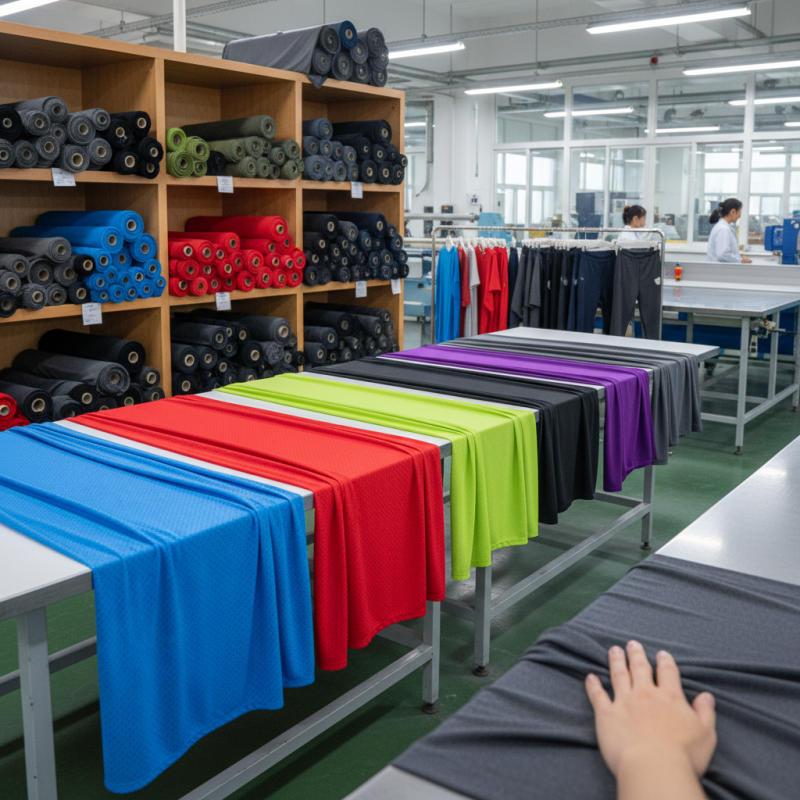
Overview of China's Sports Clothing Industry
China's sports clothing industry has witnessed significant growth in recent years. In 2022, the market was valued at approximately $185 billion. Reports indicate that the anticipated growth rate will exceed 10% annually. This trend reflects a growing demand for innovation and quality among consumers worldwide. Key factors driving this are affordability and diverse product ranges.
The focus on specialized segments has become evident. For instance, the rise in popularity of Kids Cheer Cloth shows how catering to niche markets can yield high returns. Brands are tapping into youth sports, aiming to capture this burgeoning market. The production capabilities in China allow for rapid design-to-manufacture cycles, ensuring that products meet the desires of modern consumers.
However, the industry faces challenges, like rising labor costs and environmental concerns. Many manufacturers are under scrutiny for their sustainability practices. There's a pressing need for brands to adopt eco-friendly materials and transparent processes. As the market expands, numerous opportunities exist, yet the industry must reflect on these critical issues to maintain growth and credibility.
Key Manufacturers and Brands in China
When seeking top-quality sports clothing from China, several manufacturers stand out. These brands focus on innovation, fabric technology, and design. Specialty in materials ensures durability and comfort. Workers are skilled in crafting apparel that meets global standards.
Many Chinese manufacturers have partnerships with international sports leagues, including the Soccer Sports League. They understand the unique needs of athletes and fans alike. The production process often includes rigorous quality checks. Yet, sometimes the time taken for customization can be challenging. Buyers may experience delays when ordering large quantities.
In recent years, sustainability has also become crucial. Some manufacturers are adapting their practices to be more eco-friendly. It's a work in progress, and improvements are ongoing. Customers seek transparency regarding sourcing and production methods. This leads to a demand for brands to prove their ethical practices.
Popular Types of Sports Apparel in China
China is a major player in the global sports apparel market. It produces a wide range of sports clothing that meets various needs. Athletes and fitness enthusiasts alike seek garments that ensure comfort and performance. The selection of materials is vital; breathable fabrics are increasingly popular. They help wick away sweat, allowing athletes to perform better.
Common types of sports apparel include activewear, workout tops, and leggings. Many buyers prefer lightweight jackets for outdoor activities. These jackets often incorporate waterproof materials, yet they may not be fully breathable. This can limit comfort during extended use. In addition, sports bras and shorts tailored for specific activities often appeal to female athletes.
Quality control remains a concern for global buyers. Some manufacturers may cut corners, affecting durability and comfort. Buyers should prioritize working with suppliers who demonstrate reliability. Communicating expectations clearly can help mitigate risks. Overall, understanding the nuances of Chinese sports apparel can lead to better purchasing decisions.
Quality Standards and Certification for Sports Clothing
When it comes to sourcing sports clothing, quality standards and certifications are crucial. Buyers need to ensure that the products meet global safety and performance requirements. In China, various certifications, such as ISO and CE, play a significant role in assessing the quality of sportswear. An important aspect to consider is the material used. Fabrics like moisture-wicking polyester enhance performance during activities, making them ideal for a Summer Sports Jersey.
Certifications are not just paperwork; they reflect the manufacturer's commitment to quality. Understanding these can be overwhelming. Buyers should seek suppliers who openly share their certification details. This transparency suggests trust and reliability. Pay attention to details like fabric breathability and weight. Remember, heavier materials may be less comfortable in warmer climates.
Tips: Always check for third-party testing results. This ensures the apparel is free from harmful substances. Engage with suppliers who prioritize sustainable practices. Eco-friendly production not only helps the environment but also appeals to conscious consumers. Don't overlook the importance of sampling before placing larger orders; it helps gauge the actual quality of the clothing.
Quality Standards of Sports Clothing from China
Global Distribution and Export Strategies
China has emerged as a major player in the sports apparel sector, contributing over 30% to global exports. This surge is due to comprehensive distribution strategies that target diverse markets. The country boasts advanced manufacturing capabilities and a skilled workforce, enabling companies to produce high-quality garments at competitive prices.
Global buyers must understand local market dynamics. A report by Technavio shows that the demand for sustainable materials in sportswear is rising. Many consumers now prioritize eco-friendly options, leading companies to reconsider their sourcing strategies. This shift presents both challenges and opportunities for exporters seeking to maintain relevance in a changing market.
Moreover, logistics remain a critical concern. Efficient supply chains can enhance product delivery times. However, many companies face hurdles, such as fluctuating shipping costs and customs regulations. Adapting to these challenges requires agility and foresight, as even minor disruptions can affect overall performance. Continuous evaluation of distribution networks is essential for sustained success in the competitive landscape of sports apparel.
Best Sports Cloth from China for Global Buyers? - Global Distribution and Export Strategies
| Product Type | Material | Size Range | Price Range (USD) | Key Markets |
| Athletic T-Shirts | Polyester, Cotton Blend | XS - XXL | 8 - 20 | North America, Europe, Asia |
| Running Shorts | Nylon, Spandex | S - XL | 10 - 25 | Australia, UK, Canada |
| Sports Jackets | Waterproof Polyester | M - XXL | 30 - 50 | Middle East, Southeast Asia |
| Yoga Pants | Cotton, Polyester Blend | S - L | 15 - 35 | Global |
| Cycling Jerseys | Moisture-Wicking Fabric | S - XXL | 25 - 45 | Europe, North America |
Challenges Faced by Chinese Sports Apparel Exporters
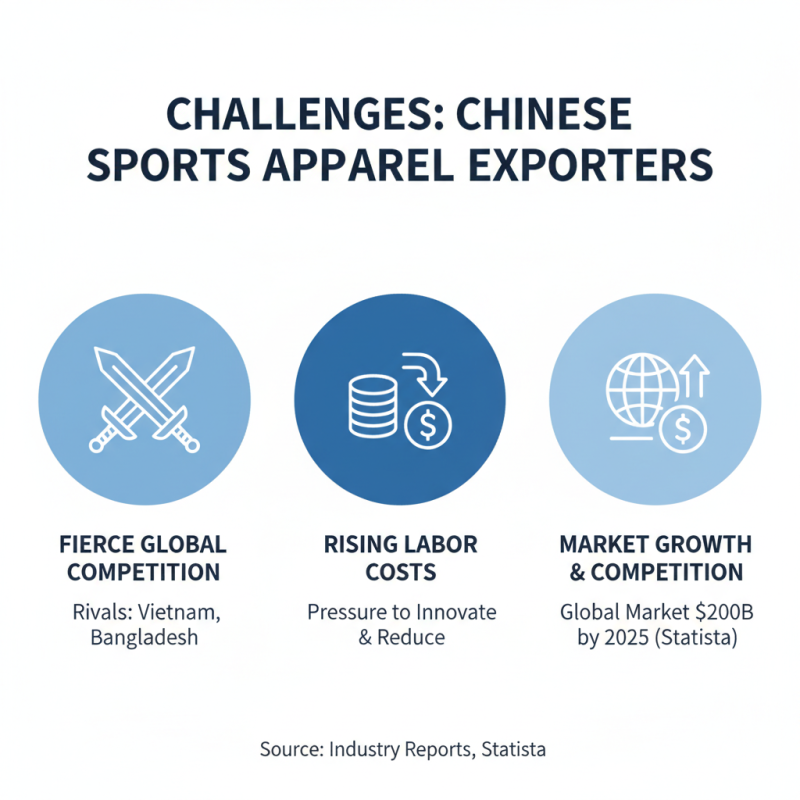
Chinese sports apparel exporters face several challenges in the global market. One pressing issue is the fierce competition from other manufacturing hubs. Countries like Vietnam and Bangladesh are gaining traction, often offering lower labor costs. This intensifies the pressure on Chinese exporters to innovate and reduce costs simultaneously. According to a report by Statista, the global sports apparel market is projected to reach $200 billion by 2025, highlighting the immense growth potential but also the stiff competition.
Another significant challenge is compliance with international standards. Exporters must navigate complex regulations related to quality and safety. Maintaining consistent quality can be difficult, especially when scaling production. A recent survey indicated that about 40% of exporters struggle with quality control, impacting their ability to fulfill orders for large clients like the National Sports Team. This affects their reputation and limits growth opportunities.
Furthermore, supply chain disruptions have emerged as a critical issue. The COVID-19 pandemic exposed vulnerabilities in logistical operations and raw material sourcing. Many exporters reported delays and increased costs, making them reassess their supply chain strategies. Adapting to these changes requires innovation and investment, which can be daunting for smaller manufacturers. Understanding these challenges is essential for exporters aiming to succeed in the competitive global sportswear arena.
Conclusion
China's sports clothing industry has gained remarkable traction globally, with a diverse range of manufacturers producing high-quality sports cloth that caters to various athletic needs. The market offers an array of popular sports apparel, from activewear to specialized gear, meeting the demands of fitness enthusiasts worldwide. Emphasis on quality standards and certification ensures that products comply with international regulations, enhancing consumer trust.
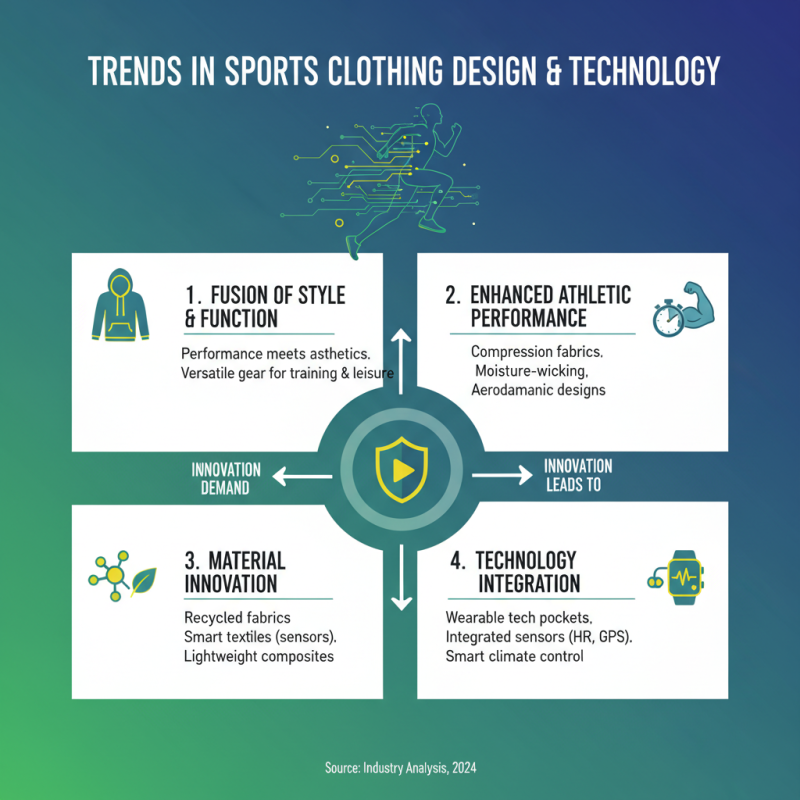
Recent trends illustrate advancements in sports clothing design and technology, including the use of innovative materials and sustainable practices. Moreover, global distribution strategies have enabled Chinese manufacturers to extend their reach, despite challenges such as competition and varying market preferences. As the demand for sports cloth continues to rise, China's role in the global sports apparel market is likely to strengthen, providing valuable options for buyers seeking quality and performance.