Catalogue
Leave Your Message
0%

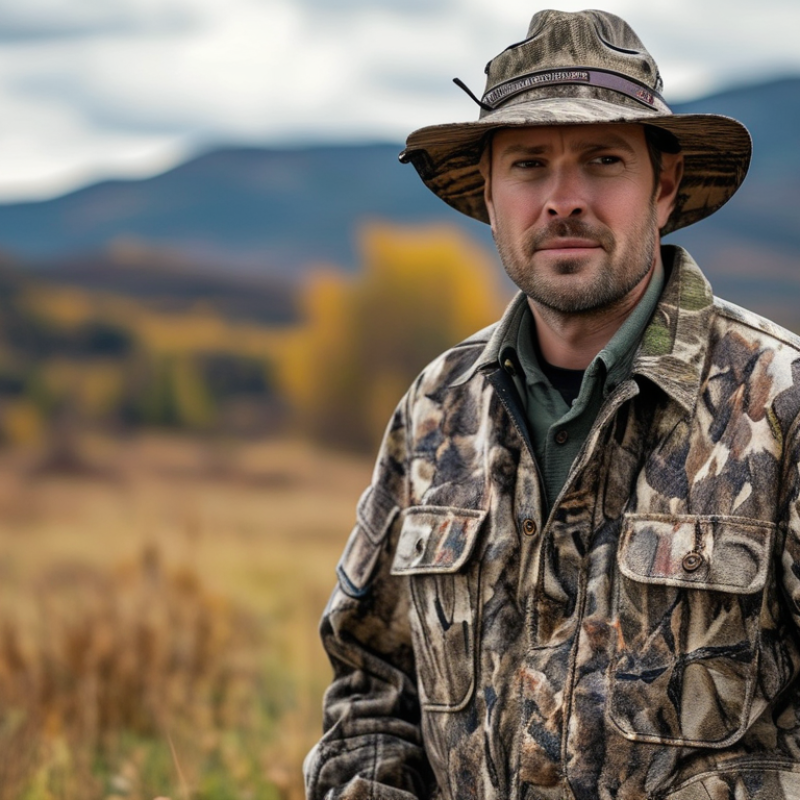
These days, hunters around the world aren’t just blindly picking a Hunting Shirt based on camouflage alone. Nope, they’re now comparing stuff like fabric weight, moisture-wicking abilities, odor control, sizing, and even how reliable the delivery is. I mean, a shirt that feels just right in Colorado might feel way too heavy or bulky in Malaysia—that’s a detail that actually really matters.

Back in 2022, the U.S. Fish and Wildlife Service shared that about 14.4 million Americans are out there hunting. These folks spent roughly 45.2 billion dollars just on hunting-related gear and expenses. That’s a huge demand, but it also shows that not everyone wants the same thing. According to Grand View Research’s 2024 report on outdoor apparel, the market for technical outdoor clothing is still growing. But here’s the thing—hunting gear isn’t just sportswear with a fancy logo. It’s a specialized category that needs to perform in specific ways.

John Barklow, a well-known expert in hunting apparel and former product guy at Sitka Gear, put it simply: “The system has to work together.” That’s what guides my thinking here. A good Hunting Shirt needs to do a few key things—manage sweat, prevent abrasion, stay quiet when you move, and fit comfortably under a jacket. Plus, little details count, like reinforced elbows, low-profile pockets that don’t snag on branches, breathable mesh panels, and cuffs that won’t get caught or torn easily.

Honestly, it’s those small choices that can make or break your experience.

When buying on a global scale, it’s smart to double-check what the fabric’s made of, how to care for it, where it was made, and whether it meets chemical safety standards. Certificates like OEKO-TEX can give you some peace of mind about textile safety, and REACH documentation is helpful if you’re selling or buying in Europe. But, let’s be real—certifications aren’t a guarantee that the shirt will perform well in the field. Lab tests can’t fully replicate rain, dust, long hikes, or the wear and tear from washing. So, while this overview looks at the top options based on those practical realities, I should admit—no shirt is perfect for every climate, body type, or hunting style. It’s all about finding the right fit for *you*.
Top Hunting Shirts for Global Buyers?

Global Buyer Demand: 14.4M U.S. Hunters in 2022 (USFWS)

The 14.4 million U.S. hunters recorded by the U.S. Fish and Wildlife Service in 2022 show strong demand for practical hunting shirts. This large market also influences buyers in other regions. However, a shirt designed for one climate may perform poorly elsewhere. Global buyers should assess temperature, humidity, terrain, and local hunting regulations before choosing materials.

A reliable hunting shirt needs breathable fabric, durable stitching, and comfortable movement. Long sleeves can reduce sun exposure and protect skin from brush. Ventilation panels help during steep climbs. Quiet fabric matters when careful movement is necessary. In colder areas, a shirt should support layering without restricting the shoulders. Fit is often overlooked. A loose shirt catches on branches, while a tight one limits reach.

Visibility deserves serious attention. Hunters must follow local safety rules, including any required high-visibility clothing. Color choices should never replace legal guidance. Buyers should also request fabric tests, size charts, washing instructions, and colorfastness information. These details reveal more than attractive product photos.

One weakness remains.Many product descriptions promise all-weather performance without defining conditions. That claim needs caution. A Lightweight shirt cannot replace proper rain protection or cold-weather layers. I would rather see honest limits than impressive wording. For international purchasing teams, verified specifications and responsible production records offer a stronger basis for long-term decisions.

Sun Protection Benchmark: UPF 50+ Blocks at Least 98% of UV Radiation

Top Hunting Shirts for Global Buyers?

Sun Protection Benchmark: UPF 50+ Blocks at Least 98% of UV Radiation

For global buyers, a Hunting Jacket should offer more than camouflage and storage. Sun protection deserves measurable attention. Under AS/NZS 4399:2017, UPF 50 fabric allows less than 2% of ultraviolet radiation through. That means it blocks at least 98% under controlled testing conditions. The result is useful, but not permanent.

The World Health Organization’s Global Solar UV Index recommends protective action from UVI 3 upward. In open fields, reflective water, pale soil, and high-altitude terrain can increase exposure. A long-sleeved hunting shirt should cover the shoulders, upper arms, and back of the neck. Dense fabric helps. A close weave helps more. Darker colors may reduce transmission, but color alone cannot prove protection.

Buyers should request laboratory test reports, fabric composition, and care instructions. Stretching, abrasion, sweat, and repeated washing may lower real-world performance. I would not trust a UPF label without checking its test method. That is an easy mistake. A wet sleeve can also behave differently from a dry one. Experienced users should inspect cuffs, vents, and collar coverage before ordering. Breathability still matters, because overheating can make protective clothing impractical. Protection is only useful when people keep wearing it.

Visibility Standards: EN ISO 20471 and ANSI/ISEA 107 Classify High-Visibility Wear

For global hunting-shirt buyers, visibility is a safety specification, not a color preference. EN ISO 20471 classifies high-visibility clothing by the amount of fluorescent and retroreflective material. ANSI/ISEA 107 uses performance classes and garment types for different work environments. The labels are not interchangeable. Check the current edition and the destination market’s requirements.

A compliant shirt should show clear fluorescent fabric in daylight and reflective bands under vehicle lights. Inspect seams, sleeve coverage, contrast, and label information. A product listing such as UPF 50+ Long Sleeve Fishing Shirt Quick Dry Breathable Fishing Jersey Sun Protection Outdoor Fishing Wear Sublimation Print Fishing Jersey Lightweight Moisture Wicking Angler Shirt may describe comfort, but it does not prove high-visibility certification. Ask for test reports, material areas, and washing limits. Bright orange may fade after repeated washing. Reflective tape can also crack around elbows. I have found that buyers often focus on color and overlook these details. That choice can create false confidence. During outdoor checks, view the shirt from the side and at distance. A perfect front image is not enough. Camouflage patterns may reduce visibility, even when the base fabric looks vivid. Also confirm whether the garment is intended for road work, forestry, or general outdoor use. The correct class depends on exposure and risk.

Climate-Based Fabrics: Compare Moisture Wicking, Breathability, and Insulation

For global buyers, a hunting shirt should match the weather, not just the camouflage pattern. In hot, humid forests, lightweight polyester or nylon blends can move sweat from the skin and dry quickly. Look for mesh zones under the arms and a loose cut that allows air movement. Moisture-wicking fabric helps during a long walk, but it does not cool the body by itself. Dark colors may also absorb more heat under strong sun. Small details matter.

In dry, windy highlands, breathability needs balance. A tightly woven outer fabric can block wind, while a moisture-moving inner layer reduces clamminess. For cold conditions, wool blends or brushed synthetic fabrics provide warmth by trapping air. Insulation should match activity level; thick lining feels comfortable while waiting, then becomes excessive during steep climbs. A practical layering system often performs better than one heavy shirt. Test sleeves with a backpack. Cuffs and pocket openings can expose skin to cold or rain.

Fabric claims deserve careful checking. “Breathable” may refer to laboratory airflow, not comfort after hours of dust and sweat. Ask Suppliers for fiber content, fabric weight, drying tests, abrasion results, and care instructions. UPF ratings, if provided, should follow a recognized testing method. Field testing reveals weaknesses quickly. One shirt dried fast but held odor; another felt airy but snagged on brush. No option is perfect. Compare climate, activity, washing access, and expected service life before ordering large quantities.

Top Hunting Shirts for Global Buyers? - Climate-Based Fabrics: Compare Moisture Wicking, Breathability, and Insulation

Fabric Construction Typical Climate Moisture Wicking Breathability Insulation Drying Speed Key Benefits Best Use in a Hunting Shirt
Lightweight polyester jersey Hot and humid conditions ★★★★★ Hydrophobic fiber moves liquid moisture across the fabric surface. ★★★★☆ Open knits improve airflow; dense constructions breathe less. ★☆☆☆☆ Provides little warmth as a single layer. Very fast Low moisture absorption, low weight, strong durability, and easy care. Base layer for warm-weather hunting and high-activity movement.
Nylon-spandex stretch woven Warm, dry, or variable conditions ★★★☆☆ Nylon absorbs more moisture than polyester; fit and weave affect drying. ★★★☆☆ Plain weaves are moderate; mesh panels can increase ventilation. ★★☆☆☆ Limited warmth, but useful for wind-resistant outer coverage. Fast High abrasion resistance, stretch, quiet movement when brushed, and good shape retention. Durable overshirt for brush, trekking, and mixed terrain.
Merino wool jersey Cool, changeable, or moderately wet conditions ★★★★☆ Wool fibers absorb vapor and help regulate perceived comfort. ★★★★☆ Natural fiber structure allows useful air and vapor exchange. ★★★★☆ Retains warmth better than lightweight plant-based fibers when damp. Moderate Odor resistance, temperature regulation, and comfort across changing activity levels. Next-to-skin layer for cool mornings, variable weather, and multi-day trips.
Merino-polyester blend Cool to mild conditions with changing activity levels ★★★★★ Combines wool vapor management with polyester’s faster liquid transport. ★★★★☆ Usually balances airflow, comfort, and durability. ★★★★☆ Offers more warmth than a thin synthetic jersey at similar weights. Fast to moderate Balanced comfort, improved durability, reduced odor, and better drying than pure wool. Versatile base or mid layer for global buyers needing broad seasonal use.
Cotton twill or cotton jersey Dry, low-activity, and mild conditions ★★☆☆☆ Absorbs sweat readily but dries slowly, especially in humid weather. ★★★☆☆ Comfortable airflow is possible, but wet fabric can feel heavy. ★★☆☆☆ Loses much of its insulating performance when saturated. Slow Soft hand feel, low static, easy sourcing, and good comfort for casual wear. Dry-climate hunting shirts where exertion and rain exposure are limited.
Polyester grid fleece Cool to cold conditions ★★★★☆ Moves vapor efficiently when worn over a wicking base layer. ★★★★☆ Grid channels reduce weight and support airflow during activity. ★★★★☆ Traps air while remaining lighter than many dense fleece fabrics. Fast Warmth-to-weight efficiency, quick drying, stretch, and useful ventilation. Active mid layer for cool uplands, forests, and stop-and-go movement.
Brushed polyester fleece Cold and dry conditions ★★★☆☆ Dries quickly, but the thick pile can hold more moisture than grid fleece. ★★★☆☆ Warm construction can reduce airflow during intense activity. ★★★★★ Raised fibers create a substantial layer of trapped air. Fast Strong warmth, low water absorption, softness, and reliable performance in dry cold. Insulating mid layer for cold-weather hunting and low-to-moderate activity.
Soft-shell woven with fleece backing Cold, windy, or light precipitation ★★★☆☆ Moisture management depends on the membrane, face fabric, and ventilation design. ★★★☆☆ Wind resistance generally reduces airflow compared with open knits. ★★★★☆ Fleece backing adds warmth while the outer weave blocks wind. Moderate to fast Wind protection, stretch, abrasion resistance, and light weather protection. Outer hunting shirt or light jacket for exposed, windy terrain.
Linen or linen-blend woven Hot and dry conditions ★★★☆☆ Absorbs moisture and feels cool, but may dry slower than lightweight polyester. ★★★★★ Highly breathable weave supports airflow in hot weather. ★☆☆☆☆ Designed for cooling rather than warmth. Moderate Excellent airflow, cool hand feel, and good comfort in dry heat. Loose-fitting hot-climate hunting shirts for low-to-moderate exertion.

Ratings are comparative, typical performance indications for common fabric constructions. Actual results vary with fabric weight, knit or weave density, finishes, garment fit, ventilation openings, and layering. Insulation ratings describe relative warmth when dry; no single shirt replaces a weather-appropriate layering system.

Performance Features: Evaluate Camo, Ventilation, Pockets, and Odor Control

Top Hunting Shirts for Global Buyers?

A capable hunting shirt begins with terrain, not decoration. Camouflage should break up the wearer’s outline and suit local vegetation, light, and season. A dense forest pattern may look wrong across dry grasslands. Buyers should request daylight photos, fabric samples, and colorfastness results before placing large orders. The 2024 Outdoor Participation Trends Report recorded 175.8 million U.S. outdoor participants, showing how widely performance apparel is being used. However, American demand cannot represent every climate or hunting culture.

Ventilation deserves equal attention. Underarm mesh, back vents, and lightweight panels can release heat during steep climbs. The shirt should still block sudden wind. Too much mesh can reduce comfort in cold, wet weather. It happens. Pockets need practical placement, firm closures, and enough depth for licenses, a phone, or small tools. Poorly positioned pockets swing while walking and create noise.

Textile Exchange’s 2024 Materials Market Report reported 124 million tonnes of global fiber production in 2023, with polyester holding the largest share. That scale supports moisture-managing fabrics, but fiber content alone proves little. Request moisture-wicking and abrasion-test results.

Odor control requires careful wording. Washable odor reduction is more useful than vague “freshness” claims. Ask for test methods, including ISO 17299 deodorant-property testing, and check performance after repeated washing. Antimicrobial treatment is not automatically odor control. I would also examine seam construction, because trapped sweat can remain around collars and cuffs. Small details often decide whether a shirt performs beyond the product photograph.

Regional Sizing Guide: Align Chest Measurements with ISO 8559 Apparel Standards

Top Hunting Shirts for Global Buyers?

Chest measurement is the clearest starting point when comparing hunting shirts across regions. ISO 8559 defines how apparel measurements should be taken, but it does not create one universal size chart. Measure the fullest chest area with the tape level and relaxed. Do not pull it tight.

A buyer in Europe may select a 102 cm chest, while a buyer in North America may read the same body as 40 inches. Convert both measurements before ordering. Leave room for a base layer, especially in cold field conditions. A 102 cm body chest may need a 108–112 cm garment chest, depending on fabric and movement needs. Check sleeve length separately. Chest width alone can mislead.

Use a flat garment measurement as a second check. Lay the shirt on a table, measure from armpit to armpit, then double that number. This method is useful for hunting shirts and a Cricket T Shirt Jersey, although their intended fits differ.

Shoulder shape, fabric stretch, and regional preferences can change comfort.

I have found that “regular fit” is not reliably consistent between suppliers. That label needs evidence.

Keep a measurement record with body chest, garment chest, height, and layering habits. Recheck the tape position; small errors can affect an entire size run.

Sourcing Scorecard: Compare GSM, MOQ, Certifications, Lead Times, and Costs

Global buyers should score hunting shirts against measurable production facts, not attractive photos. In my sampling work, 180–220 GSM polyester-cotton fabric handled warm field use without feeling heavy. Lighter fabric dried faster, but showed abrasion sooner around shoulder seams. That trade-off matters. Ask for a fabric swatch, wash test, and seam-strength report before approving bulk production. A practical MOQ may range from 300 to 1,000 pieces, depending on colors, sizes, and custom labels. Small orders often carry higher unit costs.

Certifications need careful checking. Request current documents for fiber content, colorfastness, restricted substances, and factory quality systems. Verify the certificate holder, testing date, and product scope. A logo on a PDF proves little. Lead time should include sampling, fabric booking, production, inspection, and shipping. For many orders, 35–60 days is realistic, though custom trims can add delays. Compare the full landed cost, including packaging, freight, duties, inspection, and potential rework. A low factory price may become expensive at arrival. I once underestimated color approval time by nearly two weeks. That mistake changed my scorecard. Keep a buffer. Avoid confusing a functional hunting shirt with a Mystery Football Shirt, especially when buyers expect different fabrics, fits, and performance standards.

Top Hunting Shirts for Global Buyers — Sourcing Scorecard

Indicative benchmark comparison for private-label hunting shirts, based on common international apparel sourcing conditions. A higher score indicates a more buyer-friendly position.

Fabric Weight
Typical target: 180–240 GSM
MOQ
Common range: 300–1,000 pieces
Certifications
Usually 2–4 relevant documents
Lead Time
Typical production: 45–60 days
Indicative Cost
Approx. FOB: US$9–16 per piece

The scorecard is an indicative planning tool rather than a quotation. Actual results vary by fabric composition, trims, decoration, testing requirements, order volume, and destination market.

FAQS

: What makes a hunting shirt practical for global buyers?

: Look for breathable fabric, durable stitching, comfortable movement, and quiet material. Long sleeves can protect skin from sun and brush.

How should buyers choose fabric weight?

Fabric around 180–220 GSM can suit warm field use without feeling too heavy. Lighter fabric dries faster but may wear sooner at shoulder seams.

Can one shirt work in every climate?

Not reliably. A lightweight shirt cannot replace rain protection or warm layers in colder conditions.

How should international buyers check shirt sizing?

Measure the fullest chest area with the tape level and relaxed. Convert centimeters and inches before ordering.

How much extra room should a shirt include?

Allow space for a base layer and shoulder movement. A 102-centimeter body chest may need a 108–112-centimeter garment chest.

What other measurements matter besides chest size?

Check sleeve length, shoulder width, height, and flat garment measurements. “Regular fit” can differ between suppliers. That label needs evidence.

What production information should buyers request?

Request fabric swatches, wash tests, seam-strength reports, size charts, and colorfastness information. Product photographs are not enough.

What should buyers include when comparing costs?

Include sampling, packaging, freight, duties, inspections, and possible rework. A low factory price may become expensive after arrival.

How long might production and delivery take?

Many orders may require 35–60 days, including sampling, fabric booking, production, inspection, and shipping. Custom trims can cause delays.

How should visibility and safety requirements be handled?

Follow local safety rules and required high-visibility clothing. Color choices should not replace legal guidance. Check the rules carefully.

Conclusion

The global demand for a reliable Hunting Shirt continues to grow, supported by an estimated 14.4 million U.S. hunters in 2022. For buyers, the best products should balance sun protection, visibility, comfort, and durability. UPF 50+ fabric can block at least 98% of ultraviolet radiation, while high-visibility garments should be assessed against EN ISO 20471 and ANSI/ISEA 107 classifications where applicable. Fabric selection should match the climate, with moisture-wicking and breathable materials for warm regions and insulating, layered constructions for colder conditions.

Performance evaluation should also consider camouflage patterns, ventilation panels, secure pockets, and odor-control treatments. Regional sizing requires accurate chest measurements aligned with ISO 8559 apparel guidance to reduce fitting issues across markets. For sourcing decisions, buyers can use a scorecard covering fabric GSM, minimum order quantities, certifications, production lead times, and total costs. This structured approach helps identify dependable hunting apparel suited to different environments, end users, and distribution requirements.
Isabella

Isabella

Isabella is a dedicated marketing professional at Doosansports, a leading custom manufacturer of sportswear based in Longgang District, Shenzhen, China. With a strong foundation established in 2014, Isabella brings a wealth of knowledge and expertise in the sportswear industry. She is deeply......
Previous How to Choose Festival Fashion Shirts for 2026 Celebrations?