As we get closer to 2026, the world of Gym Apparel is changing pretty fast. If you're into fitness gear, it’s more important than ever to stay on top of these trends so you can make smarter choices when shopping. The fitness scene is always shifting, and clothing is no different — new materials and funky designs are popping up all the time.
Really knowing what's hot in Gym Apparel can make a big difference. Big brands like Nike and Adidas? They’re rolling out all sorts of innovative stuff that blends style with function. Plus, there's a growing push for eco-friendly options, which honestly, brings both new possibilities and a few hurdles for buyers.
Most people now care a lot about comfort, breathability, and how long their gear lasts. Finding that perfect mix of looking good and performing well? That’s not always easy. Thinking about your own experiences can actually help you figure out what works best for you — what to stick with and what to skip. The search for the perfect gym outfit is a never-ending journey, and honestly, staying flexible and open-minded as trends change is key.
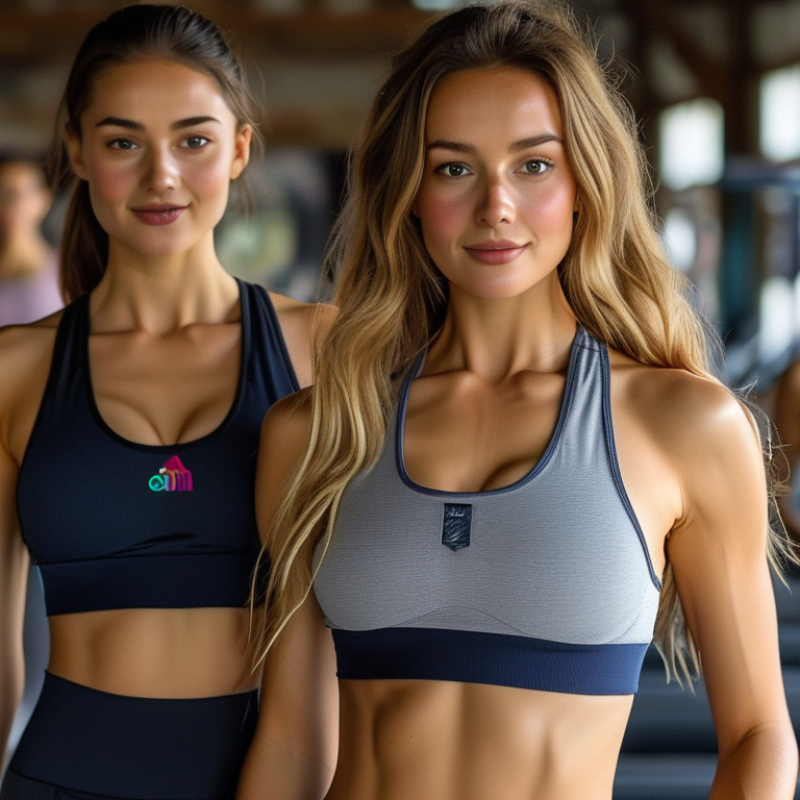
2026 Gym Apparel Trends Overview
As we approach 2026, gym apparel trends are set to evolve significantly. Buyers should pay attention to the increasing demand for Breathable gym outfits. These pieces enhance workout comfort and performance. Fabrics with moisture-wicking properties will dominate. Athletes desire clothing that allows air circulation. This ensures they remain cool during intense workouts.
Functionality will merge with style in upcoming trends. Versatile designs will cater to various fitness activities. Look for gym wear that transitions easily from the gym to daily life. Bright colors and bold patterns will emerge, reflecting personal expression. However, durability remains a concern. It's crucial to invest in quality. Many consumers will need to balance aesthetics with performance features.
Sustainability continues to influence buyer preferences. Eco-friendly materials will gain traction as more people choose conscious brands. The journey toward finding the perfect balance is ongoing. Gym-goers might struggle with comfort versus appearance. Addressing these dilemmas will define the apparel landscape. For 2026, the focus remains on creating breathable gym outfits that meet diverse needs without compromising sustainability.
Key Materials and Fabrics for Gym Apparel in 2026
In 2026, gym apparel will showcase innovative materials that enhance performance and comfort. Breathable fabrics will be crucial. Look for options like moisture-wicking synthetic blends that keep you dry during intense workouts. This technology allows athletes to push their limits while feeling comfortable.
Sustainable materials will also gain prominence. Eco-friendly fabrics, such as organic cotton and recycled polyester, will attract environmentally conscious buyers. These materials reduce environmental impact and support a healthier planet. However, it’s essential to assess durability and performance when choosing these options. They could lack the stretch and support needed for rigorous training sessions.
Athletes are becoming more selective. They want apparel that reflects their values. Transparency in material sourcing is vital. Brands should provide information on how their fabrics are made and their sustainability efforts. Buyers may need to research and reflect on their choices. Gym apparel shoppers could face challenges in finding the perfect balance between style, comfort, and environmental responsibility. This evolution in materials requires a discerning eye from buyers who prioritize both function and ethics.
Sustainable Practices in Gym Apparel Production
Sustainable practices in gym apparel production are becoming crucial. As awareness of environmental issues rises, consumers demand responsible choices. Many brands are exploring eco-friendly materials, such as organic cotton and recycled fabrics. These materials not only reduce waste but also lower the carbon footprint.
Despite growing efforts, challenges remain. The balance between functionality and sustainability is not easy. For example, creating a breathable gym tank top that meets performance standards while being environmentally friendly is complex. Some manufacturers prioritize style over sustainability, raising questions about their commitment.
Transparency in sourcing is essential. Buyers increasingly seek information about the production process. They want to know how their clothing affects the planet. Although progress is visible, the journey toward fully sustainable gym apparel continues. Companies must strive for improvement, ensuring their practices match consumer expectations.
Color Palettes and Patterns Dominating Gym Wear Trends
As we look ahead to 2026, gym apparel trends are evolving in exciting ways. Color palettes are shifting toward vibrant and bold hues. Think electric blues, neon greens, and rich purples. These colors add energy to workouts. However, not everyone feels comfortable in bright tones. Some prefer muted shades like earth tones and pastels. This diversity in choices caters to all preferences.
Patterns are also playing a significant role in gym wear. Abstract designs, geometric shapes, and even animal prints are gaining traction. These eye-catching visuals can really enhance a workout wardrobe. Yet, there's a challenge: mixing patterns can be tricky. Individuals need to find a balance that works for them. Plus, it's essential to consider what complements one's body type.
While styles like Skate Hockey Apparel are making waves, buyers should reflect on what suits them best. Finding the right fit and comfort is crucial. The journey to perfect gym wear is personal and varies for everyone. Experimentation is key, and it's okay to have some misses along the way. Embrace the evolution, and tailor your choices to your unique style.
2026 Gym Apparel Trends: Color Palettes and Patterns
Technological Innovations in Workout Clothing
The future of gym apparel in 2026 centers around innovative technologies shaping the workout experience. Key advancements include moisture-wicking fabrics, built-in sensors, and sustainable materials, according to the latest industry reports. For instance, a recent survey indicates that over 70% of fitness enthusiasts prioritize breathable textiles. These innovations enhance comfort, allowing athletes to focus on performance rather than distractions from their clothing.
Tips for choosing workout apparel include checking fabric tech. Look for options that feature antibacterial properties or UV protection. These elements not only keep you fresh but also safeguard your skin during outdoor workouts. Additionally, consider the fit. Ill-fitting apparel can lead to discomfort and impact your training negatively. Investing in properly fitting clothing can significantly boost your workout efficiency.
As the market shifts, eco-friendly materials are gaining traction. Reports show a rise in consumer demand for sustainable gym wear. It's not just about performance; it’s about responsibility. However, discerning buyers often face challenges in evaluating claims of sustainability. Transparency is crucial. Always seek products from brands that share detailed information on their sourcing and manufacturing processes.
Fit and Design: Evolving Styles for Gym Enthusiasts
The gym apparel landscape is rapidly evolving. Modern fitness enthusiasts seek styles that align with their active lifestyles. A recent report shows that athletic apparel sales are projected to reach $400 billion by 2025. This growth highlights a shift towards performance-oriented designs. Fit and functionality remain top priorities, but aesthetics are becoming increasingly important.
Innovative materials are changing the game. Breathable fabrics and moisture-wicking technologies are essential. In 2026, consumers will expect gym wear that enhances their workouts. But, the emphasis on visual appeal can lead to compromises in comfort and durability. Many designs prioritize trends over technical performance. It’s vital to balance these elements for optimal user experience.
Sustainability is an emerging focus. As more buyers prioritize eco-friendly products, many brands are exploring recycled materials. However, not all sustainable options deliver the same performance. This inconsistency raises questions about long-term reliability. To thrive in 2026, brands must create gym apparel that is both chic and high-performing. The best products will seamlessly integrate style and function, meeting the diverse needs of all gym-goers.
Consumer Preferences and Buying Behaviors in 2026
In 2026, understanding consumer preferences is crucial for successful gym apparel marketing. Buyers are leaning toward versatility. Gym clothes are no longer just for workouts. Many consumers want items that transition from gym to casual wear. This creates challenges for brands. The line between style and functionality often blurs.
Another significant trend is the demand for sustainable materials. Shoppers increasingly prefer eco-friendly options, which affects buying decisions. However, this shift raises questions. Brands must balance sustainability with performance. Not all sustainable fabrics perform well in high-intensity workouts. This disconnect can lead to consumer dissatisfaction.
Additionally, social media influences buying behaviors. Users trust peer recommendations over traditional ads. Engaging with influencers can be effective, but it requires authenticity. Messages should resonate with consumers' values. In this landscape, Drift Racing Apparel must ensure that products align with customer expectations. Striking the right balance between style, function, and eco-friendliness is a continuous journey for brands in 2026.
2026 Gym Apparel Trends What Buyers Need to Know
| Trend | Consumer Preference (%) | Buying Behavior (%) | Preferred Fabric |
| Sustainable Materials | 65% | Increased Interest | Organic Cotton, Recycled Polyester |
| High-Tech Fabrics | 58% | Willing to Pay More | Moisture-Wicking, Breathable Mesh |
| Athleisure Style | 70% | Regular Purchase | Cotton Blend, Stretch Fabrics |
| Bold Colors and Patterns | 50% | Occasional Purchase | Polyester, Lycra Blend |
| Inclusive Sizing | 75% | Higher Loyalty | Various Fabrics |
Elevate Your Game: The Power of Customizable Performance-Driven Badminton Apparel
Elevate Your Game: The Power of Customizable Performance-Driven Badminton Apparel
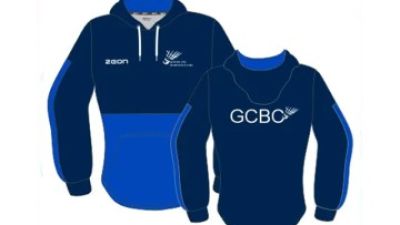
In the dynamic world of badminton, every player understands the significance of performance-driven apparel. The right clothing not only enhances performance but also boosts confidence on the court. With customizable options now available, athletes can express their personal style while benefiting from high-quality fabrics designed for optimal airflow and control. This blend of functionality and individuality ensures that players can focus on their game without distraction.
The innovation behind modern badminton apparel lies in the technology used for design and construction. Utilizing sublimated printing techniques means that colors and patterns remain vibrant even after extensive wear and washing. This durability, combined with a comfortable fit that is inclusive of all body types, allows players to push their limits without hesitation. With customizable designs, athletes can showcase their unique flair, making a statement while optimizing their performance. Whether you're part of a team or going solo, the right attire can truly enhance your experience on the court.
FAQS
: Eco-friendly materials include organic cotton and recycled fabrics. They help reduce waste and lower carbon footprints.
Yes, creating high-performance apparel that is also sustainable is complex. Some brands focus more on style than eco-friendliness.
Transparency is vital. Buyers want to understand the production process and its impact on the environment.
Modern styles prioritize performance and aesthetics. Athletic apparel sales are growing significantly as buyers seek stylish options.
Not necessarily. Many sustainable fabrics may not meet performance standards in high-intensity workouts, leading to dissatisfaction.
Social media significantly impacts decisions. Consumers trust peer recommendations, making authenticity important for brands.
Consumers want clothes that work for both workouts and casual wear. This creates challenges in blending style with functionality.
Many struggle with this balance. Emphasizing trends can compromise comfort and durability in gym apparel.
Brands must integrate style and high performance in their products to meet the diverse needs of gym-goers.
By aligning products with values of sustainability, style, and function. Continuous improvement is key for success.
Conclusion
The "2026 Gym Apparel Trends" article provides a comprehensive insight into the evolving landscape of gym wear. It outlines key trends emphasizing the importance of innovative materials and fabrics that enhance performance and comfort for athletes. Sustainable practices are becoming increasingly significant, with brands focusing on eco-friendly production methods. The color palettes featured in 2026 showcase vibrant and bold patterns, reflecting a shift towards more expressive styles in workout clothing.
Additionally, technological innovations are making waves in gym apparel, delivering features like moisture-wicking and temperature control. As consumer preferences shift, the emphasis on fit and design is crucial, catering to the aesthetic desires of gym enthusiasts. This overview highlights not only the fashion aspects but also the functional requirements shaping the future of gym apparel, indicating a market that is not just about looks but also about performance and sustainability.