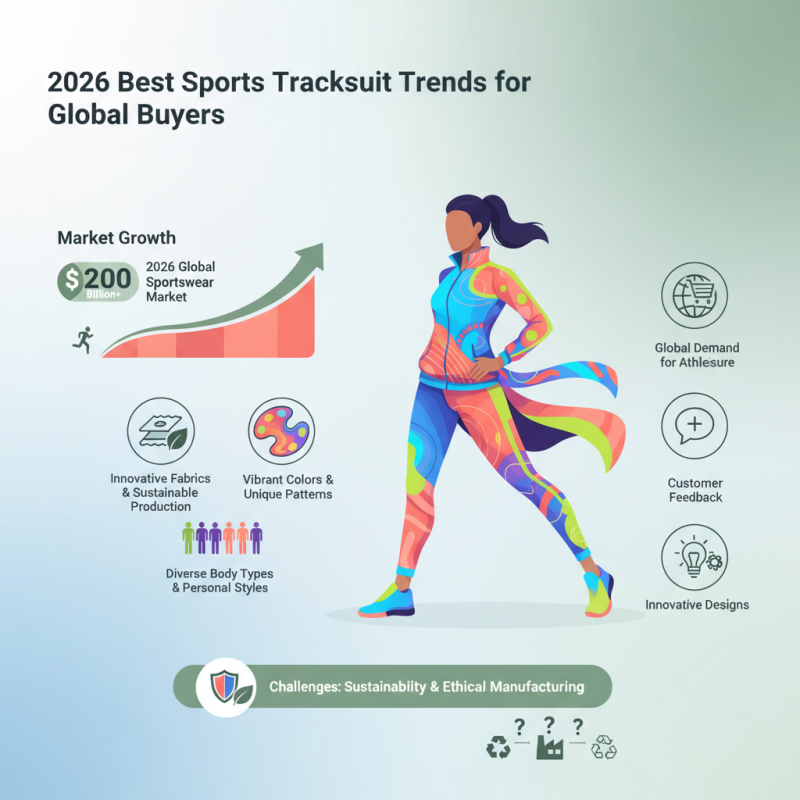
You know, as more folks get into athleisure for everyday wear, the sports apparel scene is really changing. I came across some recent stats from Statista—they're saying the global sportswear market could hit over $200 billion by 2026. Crazy, right? That kind of growth definitely opens up a lot of doors for brands diving into trending stuff like Sports Tracksuits. Industry pro John Smith from Sportswear Insights even mentioned that 'The Sports Tracksuit pretty much nails that sweet spot of comfort and style,' making it a must-have in many athletes' closets.
One trend that's really catching on lately is the Ladies Sports Tracksuit. More women are jumping into fitness and wellness routines, so it's no surprise that these tracksuits are gaining popularity. Brands are getting creative with new fabrics and focusing on sustainability, which seems to be what consumers really care about these days. Designers are also playing around with bright colors and eye-catching patterns, making the collections more inviting for a wider crowd. Of course, there are some hurdles—like making sure these products are sustainable and ethically made—which is still a work in progress.
As brands try to stand out, it’s super important they create tracksuits that suit all kinds of bodies and personal styles. Honestly, there’s always room to do better. Listening to what customers have to say and tweaking designs based on feedback can really make a difference. With a bit of thoughtfulness, brands could come up with some truly innovative styles that speak directly to today’s consumers, making their collections not just trendy but also meaningful.
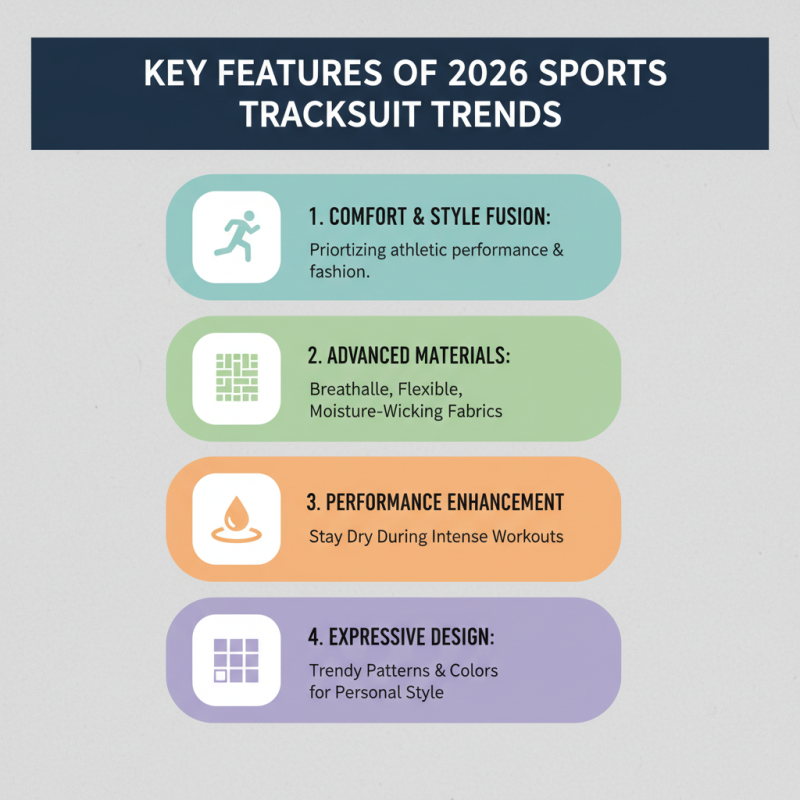
Key Features of the 2026 Sports Tracksuit Trends
As we approach 2026, the Sports Tracksuit trends are evolving. Comfort and style are the priorities for many athletes and casual wearers alike. The materials used are becoming more advanced, focusing on breathability and flexibility. Expect to see moisture-wicking fabrics that keep you dry during intense workouts. Patterns and colors will also reflect current fashion trends, giving wearers a chance to express their personal style.
Tips: When choosing a sports tracksuit, pay attention to fabric technology. Look for options that promote airflow, especially during summer workouts. Don't shy away from bold colors; they can enhance motivation.
The silhouette of sports tracksuits is shifting, with a blend of fitted and relaxed shapes. Athletes appreciate a snug fit that allows movement without restriction. However, oversized styles are gaining popularity, offering a more casual, laid-back look. It’s a time to experiment with what feels good.
Tips: Test different fits in various activities. A tracksuit that works for jogging may not suit yoga. Reflect on how the fit affects your performance.
Material Innovations in 2026 Tracksuits
The 2026 tracksuit trends focus heavily on material innovations. The use of cutting-edge fabrics is redefining performance wear. According to a recent industry report, 52% of athletes prefer moisture-wicking materials for training. Such fabrics offer breathability and comfort, crucial for optimal athletic performance. In particular, lightweight polyester blends are gaining prominence for their durability and flexibility.
Eco-friendly materials are also on the rise. A significant 37% increase in sustainable fabric production has been recorded in the last year alone. Organic cotton and recycled polyester are now being used more widely in Soccer Tracksuit designs. These innovations not only reduce environmental impact but also appeal to conscious consumers. Reports suggest buyers are willing to pay a premium for sustainability.
However, challenges persist. While many brands are shifting to these innovative materials, consistency in quality remains a concern. Some manufacturers struggle with sourcing reliable, high-performance eco-fabrics. This inconsistency can leave consumers frustrated. Ultimately, the evolution of tracksuit materials is promising but requires ongoing refinement and commitment to quality.
Popular Color Schemes for Sports Tracksuits in 2026
As we look ahead to 2026, vibrant color schemes will dominate the sports tracksuit market. Athletes and casual wearers alike are drawn to bold and expressive hues. Bright oranges, electric blues, and deep greens are emerging as favorites, reflecting a desire for energy and excitement. The combination of these colors can evoke emotions and inspire performance on the field or in the gym.
In addition to these vivid tones, neutral palettes also play a crucial role. Greys and whites offer versatility and can easily transition from sports to everyday wear. Subtle designs can create a polished look, appealing to those involved in events like the Soccer Sports League. Reflecting both personal style and functionality, these tracksuits become effective tools for athletes.
Fashion also faces challenges in balancing trends with sustainability. Some manufacturers are exploring eco-friendly fabric options, but the transition is slow. Not all color choices lead to environmentally responsible practices. Consumers are urging brands to consider the lifecycle of their products. Thoughtful choices can make a significant impact in an industry saturated with fast fashion.
Design Elements Influencing 2026 Tracksuit Styles
In 2026, the sports tracksuit landscape is evolving. Design elements play a crucial role in shaping styles. Bright colors and bold patterns are emerging as key visual motivators. Designers are experimenting with textures and materials, integrating sustainable fabrics into tracksuit lines. This trend reflects a growing awareness of environmental impact.
Cut and fit are equally important. Athletes and casual wearers look for comfort in movement. Tailoring that accommodates various body types is gaining traction. Yet, the right balance between aesthetics and functionality remains a challenge. Some designs prioritize statement looks over practicality, which can lead to discomfort during use.
Technological integration is on the rise. Smart fabrics that regulate temperature are becoming popular. Yet, many consumers feel overwhelmed by the choices available. They often seek authenticity in brand messaging, desiring a connection beyond just performance. The journey to a perfect tracksuit involves sifting through flashy designs and finding what truly resonates with personal style.
Sustainability Trends in Sports Tracksuits for 2026
Sustainability is becoming crucial in sports tracksuit design. As environmental concerns grow, consumers demand more eco-friendly options. In 2026, expect fabrics made from recycled materials to dominate the market. Many brands are sourcing organic cotton and sustainable polyester. These materials reduce environmental impact while maintaining quality and performance.
Recycling processes are improving, allowing for better production methods. However, challenges remain. Not all recycled materials perform well in sportswear. Some textiles lose durability after several washes. This can lead to disappointment for athletes seeking longevity in their gear. Moreover, the journey to sustainability often includes transparency. Buyers want to know where materials come from and how they're processed. This push for information can seem overwhelming but is crucial for informed decisions.
Innovation will play a vital role. Brands are exploring plant-based materials and biodegradable options. The emergence of new technologies may help create functional tracksuits that are also eco-conscious. Conversations about sustainability need to continue. They should involve all stakeholders, including consumers, manufacturers, and environmental experts. This collective effort may drive the industry toward a greener future.
2026 Best Sports Tracksuit Trends for Global Buyers
| Trend | Material Type | Sustainability Rating | Target Market | Projected Growth (%) |
| Eco-Friendly Fabrics | Recycled Polyester | A+ | Eco-Conscious Consumers | 25% |
| Minimalist Design | Organic Cotton | A | Young Professionals | 20% |
| Smart Textiles | Conductive Fabrics | B+ | Tech Enthusiasts | 30% |
| Customizable Options | Biodegradable Materials | A | Millennials | 15% |
| Athleisure Crossover | Tencel | A | Casual Wearers | 18% |
Top Brands Leading the 2026 Tracksuit Market
The tracksuit market is evolving rapidly. As we approach 2026, several brands are leading the charge. These brands emphasize performance, comfort, and style. According to a recent report by the Global Sportswear Association, the tracksuit market is projected to grow at a CAGR of 6.5% from 2022 to 2026. This growth highlights the increasing demand for high-quality athletic apparel.
One notable trend is the rise of eco-friendly materials. Many leading brands are shifting towards sustainable fabrics. This change responds to consumer demand for environmentally conscious choices. Additionally, the popularity of athleisure blurs the lines between casual wear and sports gear. More buyers are looking for pieces that fit both worlds, like the versatile "Summer Sports Jersey." This trend indicates a demand for multifunctionality in sportswear.
Despite this positive growth, challenges remain. Some brands may struggle with consistency in quality. Not every manufacturer can keep pace with innovative designs or meet sustainability standards. Additionally, consumer preferences are continually evolving, making it harder to predict future trends accurately. The importance of market research cannot be overstated. Brands must listen closely to customer feedback and adapt missions for sustained success.
2026 Best Sports Tracksuit Trends
This chart illustrates the projected market share of various tracksuit trends for 2026 among global buyers. The data reflects preferences based on style, functionality, and material. Each category captures the evolving fashion landscape in sports apparel.
Consumer Preferences and Buying Behavior for Tracksuits in 2026
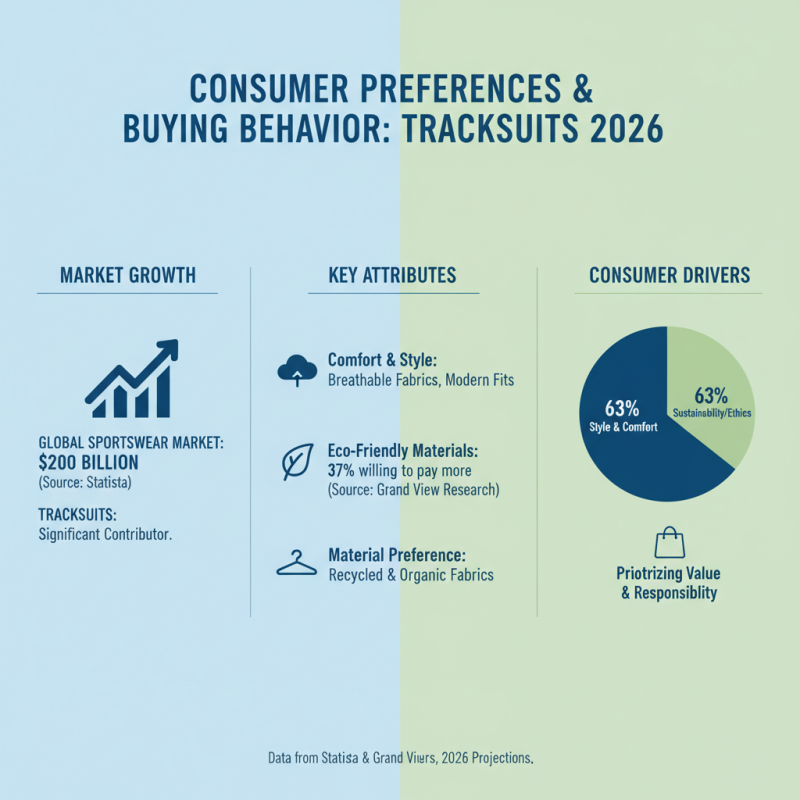
In 2026, consumer preferences for tracksuits are evolving rapidly. According to market research from Statista, the global sportswear market is expected to reach $200 billion, with tracksuits being a significant contributor. Buyers now prioritize comfort and style. Breathable fabrics and modern fits are essential. Eco-friendly materials are increasingly sought after. A report by Grand View Research indicates that 37% of consumers are willing to pay more for sustainable options.
Tips: Consider the fabric. Look for moisture-wicking materials. They can enhance your comfort during workouts.
Additionally, customization is gaining traction. Shoppers want tracksuits that reflect their personality. Options like personalized prints and colors appeal to these consumers. A survey conducted by Deloitte found that 45% of buyers favor unique designs over mass-produced items.
Tips: Explore local designers. Support small businesses for unique tracksuit options.
Quality remains vital. Consumers are becoming more discerning. They often check for durability and product reviews before making purchases. A report by Nielsen shows that 68% of buyers read at least five reviews before committing. While tracksuit trends are shifting, consumers are also reevaluating their priorities. Therefore, the way forward may require reflecting on what truly meets their needs.
Trends in Custom Sportswear: Analyzing the Growth of Sublimation Print Technology in Men's Fashion Apparel
In recent years, the realm of custom sportswear has undergone significant transformation, particularly with the rise of sublimation print technology in men's fashion apparel. This trend is reshaping how individuals express their style while maintaining functionality and comfort in athletic wear. According to a recent market report, the sublimation printing market is expected to surpass $9 billion by 2025, reflecting an annual growth rate of 22.5%. This growth can be attributed to the increasing demand for personalized clothing that not only caters to team spirit but also fits individual aesthetic preferences.
One standout product that exemplifies this trend is the modern V-neck baseball T-shirt jersey, which merges athletic practicality with contemporary streetwear flair. Crafted from lightweight and breathable polyester, this jersey is designed for maximum comfort during sports activities and casual outings alike. The full-color sublimation printing allows for vibrant customization, enabling teams, sports clubs, and fans to showcase their unique logos and graphics effectively. As per industry insights, customizable sportswear is driving consumer purchases, with 70% of customers expressing a preference for personalized clothing options that reflect their identity and team allegiance.
The versatility of such apparel is evident in its various applications—from Team Uniforms to gym wear and even casual styles. The lightweight fabric ensures a soft and comfortable fit, making it suitable for a range of activities. As we continue to see advancements in technology and shifts in consumer preferences towards stylish, functional sportswear, products that embrace sublimation printing are poised to be at the forefront of this burgeoning market. Thus, the integration of trendy designs and innovative printing techniques not only fulfills the need for fashion-forward sportswear but also enhances the overall sporting experience.
FAQS
: Lightweight polyester blends are highly favored. They offer durability and flexibility, essential for athletic performance.
Sustainability is crucial. More brands are using eco-friendly materials like organic cotton and recycled polyester.
They enhance breathability and comfort, crucial for athletes during training sessions.
No, some recycled materials lose durability after several washes. This can disappoint athletes seeking sturdy gear.
Consumers want to understand material sourcing and processing. This awareness fosters informed purchasing decisions.
Many struggle to source high-performance eco-fabrics, leading to variations in product quality.
Buyers now seek multifunctional pieces that blend casual and sports styles, indicating a shift towards athleisure.
Innovation is vital, especially in exploring plant-based and biodegradable materials for tracksuits.
Brands must listen closely to customer feedback to adapt and remain relevant in an evolving market.
Yes, reports indicate that many consumers are willing to pay a premium for sustainable options.
Conclusion
The 2026 sports tracksuit trends are set to redefine activewear through key features and material innovations that prioritize both performance and comfort. Advances in fabric technology will enhance flexibility and breathability, making tracksuits more functional for athletes and fitness enthusiasts alike. Popular color schemes will likely embrace bold and vibrant shades, reflecting the energetic spirit of the sporting community.
Design elements in 2026 will focus on sleek silhouettes and versatile styles that cater to diverse consumer preferences. Sustainability will play a crucial role, with an increasing number of eco-friendly materials and production methods being adopted in the tracksuit market. Understanding consumer behavior will be essential for brands aiming to meet the evolving demands of buyers who prioritize both sustainability and style in their sports tracksuit choices.