As athletes and fitness fans get ready for what’s next, the world of Sports Cloth keeps changing all the time. Looking ahead to 2026, we can expect some pretty cool styles, materials, and tech that aim to boost performance and keep you comfortable. Big brands like Nike, Adidas, and Lululemon aren’t holding back—they’re pushing boundaries with innovative designs that focus on a perfect fit and managing moisture better.
But let’s be real—sportswear isn’t just about looking good. It actually plays a huge role in how well you perform and recover. Fabrics that wick sweat away, give you a bit of compression, and stay breathable can make all the difference. That said, not everyone’s going to find their ideal fit right off the bat. Many of us face challenges, whether it’s finding something that fits just right, matches your style, or does what you need it to.
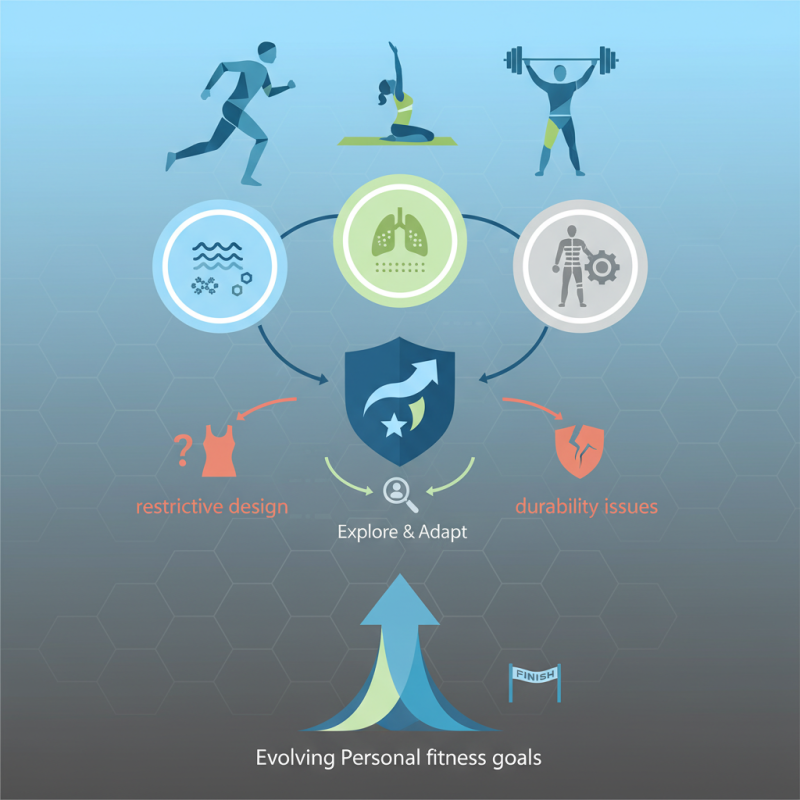
The trick is to keep experimenting and listening to what your body needs. Some gear might feel a little restrictive, or maybe it doesn’t hold up over time—that’s normal. It’s all about understanding what works best for you personally. Over time, this kind of exploration helps you make smarter choices. At the end of the day, chasing after the perfect Sports Cloth is really about evolving your gear as your fitness journey progresses. It’s all part of the process—and honestly, that’s half the fun.
2026 Innovations in Athletic Fabrics: Performance and Durability
Athletic fabrics are evolving rapidly. The 2026 trends focus on performance and durability. Recent industry reports indicate that high-performance fabrics can enhance moisture-wicking ability by 30% compared to traditional options. This advancement is essential for athletes. It ensures comfort during intense workouts.
Here’s where Kids Cheer Cloth comes into play. Many young athletes wear specialized fabrics that provide superior breathability. These materials are designed to withstand vigorous movements. However, there are concerns regarding their environmental impact. Sustainable alternatives are in demand. The industry has been slow to adapt, leaving room for improvement.
In terms of durability, a study found that more than 45% of athletes experience wear and tear in their gear within six months of use. This statistic highlights the need for innovation in fabric strength. Athletes seek materials that last longer. Furthermore, integrating smart textiles into sportswear is gaining traction. Technology can enhance performance, yet it often raises questions about affordability and accessibility for all users. Balancing innovation with practicality remains a challenge.
Sustainable Materials in Sportswear: Emerging Eco-Friendly Trends
The demand for sustainable materials in sportswear is growing. Athletes and fitness enthusiasts seek eco-friendly options now more than ever. Organic cotton and recycled polyester are popular choices. These materials reduce waste and carbon footprint. Imagine wearing a shirt made from recycled water bottles. It feels good to contribute to the planet.
However, not all sustainable fabrics perform well. Some may lack durability or comfort. This inconsistency can discourage consumers. The challenge lies in balancing eco-friendliness with functionality. Brands must innovate to achieve this. More companies are researching better materials. Some explore bio-based fabrics, yet the market is still developing.
Transitioning to sustainable sportswear is a journey. There are hurdles to overcome, such as cost and availability. Some athletes hesitate to embrace change. They worry about performance. Education is crucial here. Understanding the impact of our choices can lead to better habits. Every small step counts in protecting our environment.
Smart Textiles: The Rise of Wearable Technology in Fitness Apparel
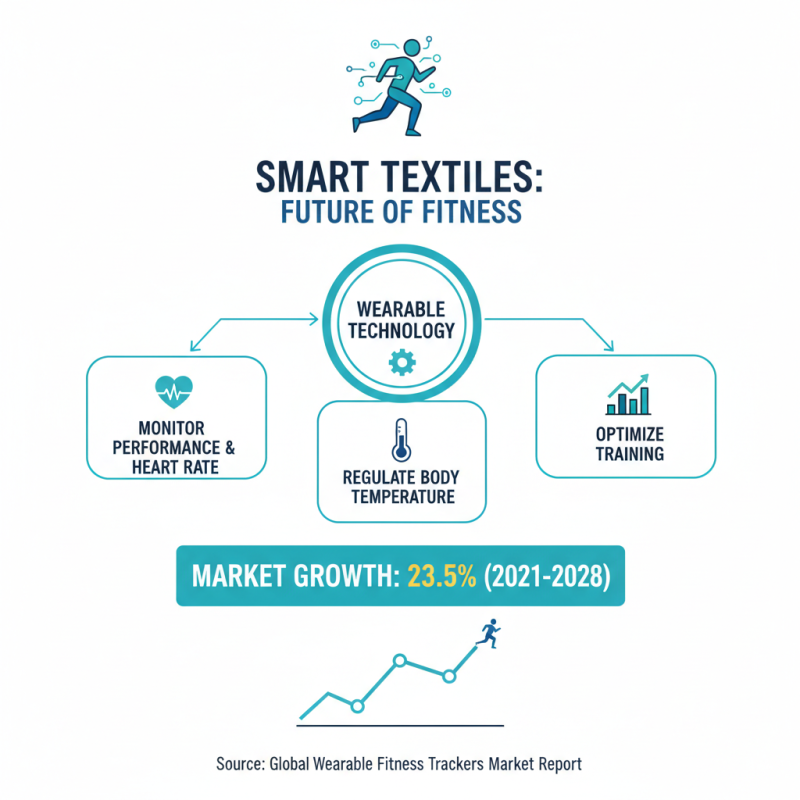
The rise of wearable technology has transformed fitness apparel. Smart textiles are becoming essential for athletes and fitness enthusiasts. These fabrics monitor performance, heart rates, and body temperature. A report from the Global Wearable Fitness Trackers Market estimates growth at 23.5% from 2021 to 2028. As these technologies advance, athletes can optimize their training.
Smart textiles offer real-time insights. Imagine running with a shirt that tracks your sweat levels. This data helps in hydration planning. Sensors embedded in the fabric communicate with mobile apps, providing instant feedback. However, some athletes find these devices overwhelming. Data overload might lead to confusion, impacting performance.
Tips: When using smart wearables, focus on key metrics. Don’t get lost in the details. Choose devices that align with your fitness goals. Stay aware of potential limitations. Not every smart textile performs perfectly in all conditions. Some may struggle with accuracy during intense workouts, causing frustration. Being mindful of these aspects is crucial for an enhanced training experience.
Athletic Aesthetics: Color and Design Trends Influencing Athlete Choices
Athletic aesthetics are evolving rapidly. Color and design significantly influence athlete apparel choices. According to recent industry reports, 72% of athletes prioritize style alongside performance when selecting sports clothing. This trend showcases the growing intersection between functionality and fashion. Athletes are looking for more than just comfort; they want vibrant colors and dynamic patterns that express their personality.
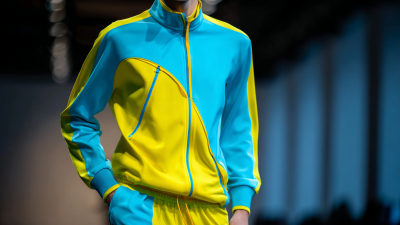
A strong trend in 2026 is the use of bold color palettes. Bright greens, blues, and yellows are gaining popularity. These colors not only stand out but also enhance visibility in competitive environments, such as the Soccer Sports League. Moreover, unique design elements like asymmetrical cuts or geometric patterns can help athletes feel distinctive. However, balancing aesthetics with performance remains a challenge. Some designs may compromise breathability or flexibility, which are crucial for sports excellence.
Tip: When choosing athletic wear, always consider how the design affects performance. Don’t just go for what looks good. Test how it feels during workouts.
Many athletes find inspiration in streetwear. This fusion creates a fresh look, but it may not always prioritize functionality. Athletes should reflect on their needs versus trends. Ensure that the latest fashion in sports clothing supports performance goals.
Impact of Climate on Sportswear: Adapting Fabrics for Weather Conditions
Weather plays a crucial role in sportswear design. Athletes face different challenges based on the climate. Extreme heat can increase sweat production. This makes moisture-wicking fabrics vital. For summer months, a Summer Sports Jersey can keep you cool. Lightweight and breathable materials prevent overheating.
When choosing fabrics, consider the conditions you'll face. In humid weather, opt for moisture-control technology. This will keep you comfortable during intense workouts. Cold weather requires insulation. Look for layered options that provide warmth without bulkiness.
Tips: Always check the fabric's breathability. A good test? Hold the fabric to your mouth. Can you breathe comfortably? If not, it might trap heat. It’s also worth considering the fit. Tight clothing may restrict airflow. A relaxed fit can enhance your performance.
Don’t ignore the comfort factor. Some fabrics might irritate sensitive skin. Trying different materials can lead to a better experience. Keep experimenting until you find the perfect match. Your choice of sportswear can greatly impact your performance.
2026 Best Sports Cloth Trends for Athletes and Fitness Enthusiasts: Impact of Climate on Sportswear
| Trend | Fabric Type | Climate Suitability | Key Features |
| Moisture-Wicking Technology | Polyester Blend | Humid & Warm | Quick-dry, Breathable |
| Thermal Insulation | Merino Wool | Cold Weather | Warm, Moisture-regulating |
| UV Protection | Nylon Spandex | Sunny & Hot | Skin Protection, Stretchable |
| Sustainable Fabrics | Recycled Polyester | All Weather | Eco-friendly, Durable |
| Compression Wear | Lycra Blend | Varied Conditions | Support, Improved Circulation |
Market Analysis: Growth Projections for Sports Apparel in 2026
The sports apparel market is witnessing a surge. In 2026, growth projections indicate an increasing demand for innovative designs and sustainable materials. Athletes and fitness enthusiasts prioritize not only performance but also style. Fabrics that wick moisture and provide breathability are in high demand.
Sustainability is a key trend shaping consumer choices. Many prefer eco-friendly clothing made from recycled materials. This shift challenges brands to innovate. However, not all companies adapt quickly. Some still rely on traditional production methods. This gap creates an opportunity for new players in the market.
Moreover, personalization is gaining traction. Consumers seek unique, tailored experiences. However, achieving perfect customization can be complex. Brands must balance efficiency with individuality. Some may struggle with maintaining quality while scaling operations. The challenge is to cater to diverse preferences while ensuring consistency.
Conclusion
The article titled "2026 Best Sports Cloth Trends for Athletes and Fitness Enthusiasts" explores the future landscape of athletic apparel, highlighting key innovations in sports cloth design. It discusses advancements in athletic fabrics that enhance performance and durability, alongside the growing importance of sustainable materials that cater to eco-conscious consumers. The rise of smart textiles integrating wearable technology is also examined, revolutionizing fitness apparel.
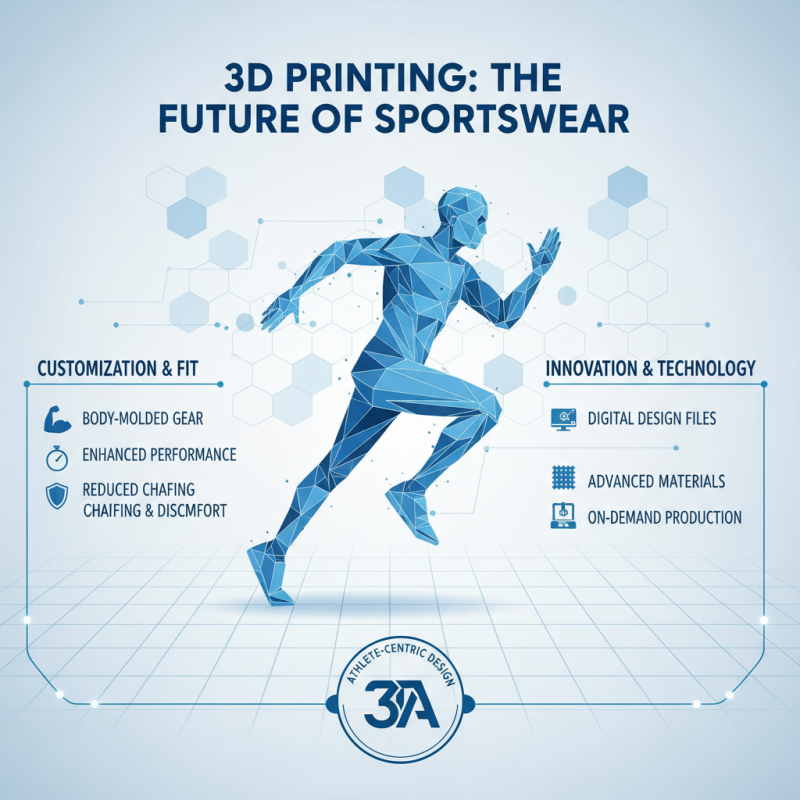
Furthermore, the article delves into the aesthetic aspects of sports cloth, emphasizing color and design trends that influence athletes' choices. It addresses the impact of climate on fabric selection, ensuring adaptability to various weather conditions. Also highlighted is the role of custom fit facilitated by 3D printing technology, which enhances the comfort and functionality of sports clothing. Finally, a market analysis forecasts significant growth for sports apparel by 2026, reflecting the increasing demand among athletes and fitness enthusiasts.