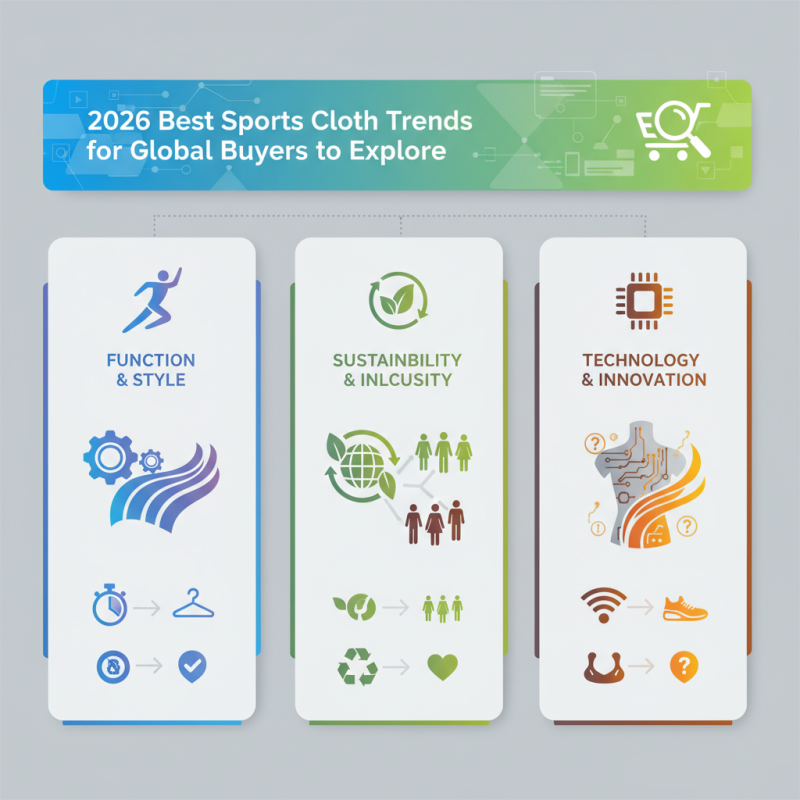
The world of athletic wear is changing pretty fast, and 2026 is definitely bringing some exciting stuff in Sports Cloth. If you're a global buyer, it’s a good idea to start getting ready for some really innovative designs that mix style with function. Brands like Nike and Adidas are pushing boundaries all the time, totally redefining what athletes and fitness fans expect from their gear.
One of the biggest trends in Sports Cloth will be all about sustainability and inclusivity. A lot of companies are shifting towards using eco-friendly materials and making greener practices a priority. But honestly, not every brand is nailing it — which raises some questions about how genuine these efforts really are. Consumers are way more savvy these days, looking for quality and meaning in what they buy.
And the tech side of things? That’s shaping up to be super interesting, too. We’re seeing more smart fabrics that are meant to boost performance. But, of course, with all these cool innovations come concerns about how reliable they really are and whether they’re comfortable for everyday wear. So, when buyers check out the 2026 trends, they’ve got to balance the cool tech stuff with what actually meets their personal needs. The athletic wear market is wide open now, and making thoughtful choices will really steer where this whole scene goes.
Innovative Fabrics Leading the 2026 Sports Cloth Trends
As we approach 2026, the landscape of sportswear is evolving rapidly. Innovative fabrics are at the forefront of this transformation. Reports indicate that the global sports apparel market might reach $250 billion by 2026. This surge is fueled by advancements in fabric technology and consumer demand for functionality and style.
One emerging trend is the rise of moisture-wicking materials that keep athletes dry during intense activities. These fabrics are especially important for youth sports. Many parents are looking for durable options. Products like "Kids Cheer Cloth" are gaining attention due to their ability to combine breathability and comfort for young athletes. These advancements are not just about performance; they also prioritize eco-friendly practices. Many brands now focus on using recycled materials to create these innovative fabrics.
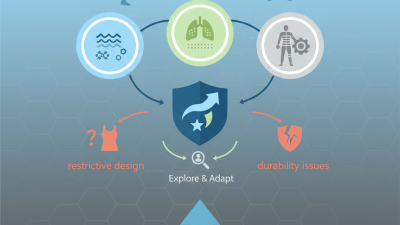
While the market is promising, challenges remain. Sourcing sustainable materials can be costly, leading to higher prices. This may not be accessible for all consumers. Brands must also balance style and functionality. A cloth that performs well but lacks aesthetic appeal may not succeed. Continuous feedback from athletes and parents will be vital in refining these products. Exploring innovative fabrics will shape the future of sportswear in 2026, but the industry must remain open to improvement and adaptation.
Sustainable Materials Revolutionizing Sports Apparel Choices
The rise of sustainable materials is changing the landscape of sports apparel. Eco-friendly fabrics offer great benefits for both athletes and the environment. Environmentally conscious buyers are more empowered than ever. They seek options that combine performance with sustainability.
Modern materials like recycled polyester and organic cotton are gaining popularity. These fabrics reduce waste and use natural processes. Innovations such as biodegradable components are also emerging. These advances allow for more eco-friendly sportswear choices. Yet, challenges remain. Sourcing these materials can be complicated, and price points may vary.
Tips for buyers: Look for certifications that signal sustainability. Materials should meet high standards for both performance and eco-friendliness. Consider the lifecycle of your purchase. Can it be recycled or composted after use? This reflects a commitment to sustainability. Keep an eye out for brands that prioritize transparency in sourcing. Be aware that not all products labeled as "sustainable" meet rigorous standards. Reflect on the impact of your choices. Your decisions can drive the demand for better practices in the industry.
2026 Best Sports Cloth Trends - Sustainability in Sports Apparel
This chart represents the projected growth in the usage of different sustainable materials in sports apparel by 2026. As consumers become more eco-conscious, brands are increasingly adopting materials such as recycled polyester, organic cotton, and Tencel.
Tech-Embedded Sportswear: The Future of Athletic Performance
The evolution of sportswear is profoundly influenced by technology. Tech-embedded sportswear is transforming athletic performance, offering athletes real-time feedback. Imagine wearing a shirt that tracks your heart rate, calories burned, and even hydration levels. This is not just a trend; it’s the future of fitness.
With the rise of smart textiles, athletes can monitor their performance more accurately than ever. Fabrics that respond to body temperature can enhance comfort. However, the integration of technology raises questions. Do athletes rely too much on data? Is intuition being overshadowed by numbers?
In the competitive world of sports, particularly in leagues like the Soccer Sports League, performance is paramount. Athletes are expected to push their limits. The pressure to optimize performance through technology can be overwhelming. Balancing data reliance with mental and physical resilience will be crucial for future athletes. As we explore these advancements, reflection on our dependence on technology may be necessary.
Color and Pattern Trends in Sports Apparel for 2026
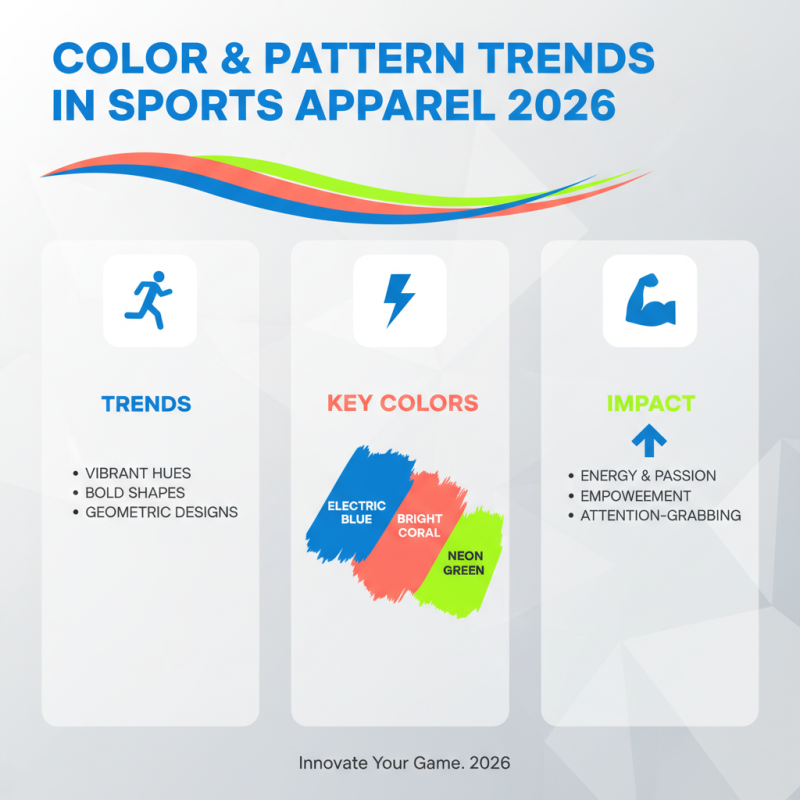
As the world embraces a new wave of sporting trends, 2026 will showcase fresh colors and patterns in sports apparel. Expect vibrant hues to dominate the scene. Bold shades of electric blue, bright coral, and neon green will attract attention. These are not just colors; they represent energy and passion. Athletes want to feel empowered in what they wear.
Patterns will also play a significant role. Geometric shapes and abstract designs will emerge as popular choices. These designs offer a unique visual appeal, making them stand out. However, finding the balance between style and functionality is essential. Some patterns may distract or hinder performance.
The Summer Sports Jersey will also evolve with these new trends. Expect breathable fabrics that blend seamlessly with fresh designs. Yet, consumers must consider their personal style and comfort. Sometimes, what looks good may not perform well in action. Reflecting on this balance is crucial for any buyer.
Inclusive Sizing and Fit Innovations in Sports Clothing
Inclusive sizing in sports clothing is more than a trend; it's a necessity. Many brands are now recognizing that athletes come in all shapes and sizes. To promote true inclusivity, it's vital for sports clothing to fit various body types. This includes extending size ranges and creating adaptive fits designed for diverse needs. When clothing accommodates every athlete, it fosters confidence and performance.
Fit innovations are taking center stage. Technologies like 3D knitting offer precise fits tailored to the body's contours. This approach reduces discomfort and enhances mobility. Athletes often face challenges finding the right fit. These innovations show promise, yet there are still gaps. Not every brand implements them effectively, leaving some athletes underserved. Diversity in fit is crucial, but execution is key for true inclusivity.
As trends evolve, the industry must reflect on its practices. How can brands better serve all athletes? Transparency in sizing and improved fabric technology are essential steps. This focus on inclusion serves a broader community. Empowering every athlete, regardless of size, can change the sports landscape for the better.
Emerging Brands Shaping the Future of Sports Fashion
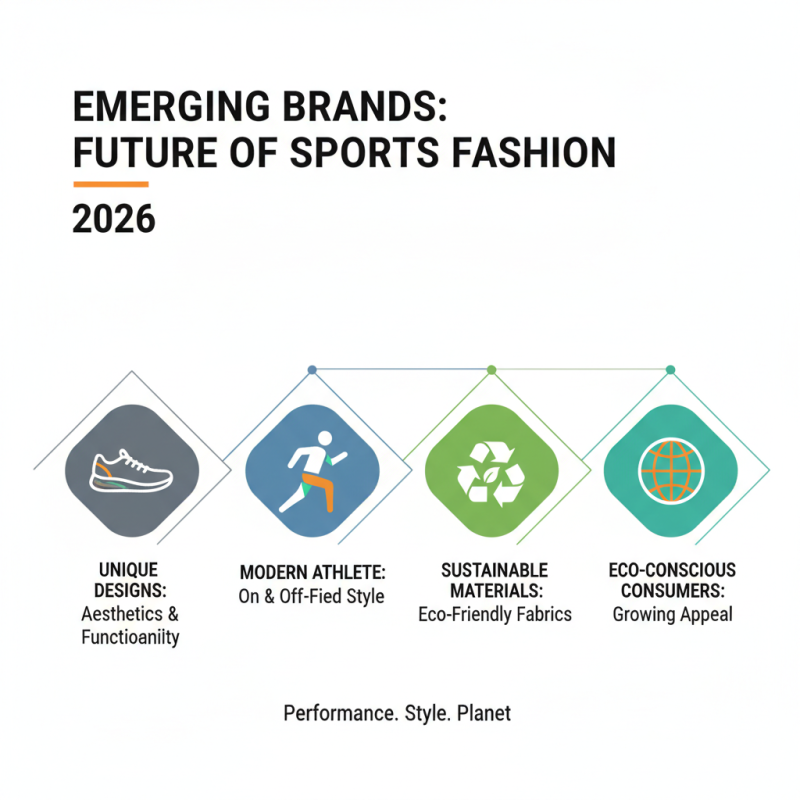
In 2026, emerging brands are redefining sports fashion. They introduce unique designs that prioritize both aesthetics and functionality. These brands understand the modern athlete's need for performance gear that looks good on and off the field. The rise of sustainable materials is a crucial focus. Eco-friendly fabrics are becoming popular, appealing to eco-conscious consumers.
However, challenges are present. Many brands struggle with scaling their production while maintaining quality. The balance between trendy designs and practicality is not always achieved. Consumers often express concerns over durability. It’s essential for brands to address these issues openly. Customer feedback is vital to refining their offerings.
The influence of technology is evident. Wearable tech is integrating with sportswear, offering unique features. Yet, some consumers find these innovations daunting. They prefer the simplicity of traditional designs. Emerging brands must navigate this evolving landscape carefully. Engaging customers in dialogue about their needs is key to future success. Embracing imperfections could lead to creative breakthroughs in sports fashion.
Global Market Insights: Regional Preferences in Sports Apparel Styles
Regional preferences in sports apparel are shaping the 2026 trends. Each area of the globe showcases unique styles influenced by culture and climate. For example, North American consumers lean towards performance-driven designs that emphasize functionality. Breathable fabrics and moisture-wicking features often dominate their sportswear selections.
In Europe, a more diverse approach exists. Stylish designs coupled with sustainability drive choices. Vintage-inspired pieces are becoming popular among buyers, reflecting a blend of modernity and nostalgia. Moreover, collaborations with artists often elevate special collections. Meanwhile, Asia focuses on vibrant colors and innovative patterns, emphasizing regional pride, particularly for the National Sports Team. The local pride is evident as fans express loyalty through clothing.
However, not all regions are keeping pace with trends. Some markets struggle with sizing and style preferences, creating gaps in consumer satisfaction. It’s essential for brands to listen to feedback and invest in research. Balancing tradition with innovation remains a challenge many face in the sports apparel sector. Understanding these nuances can lead to better designs that resonate globally.
Unleashing Performance: The Premium Polo Collar Cricket Jersey for Peak Athletic Training and Match Play
Elevate your game with the ultimate Polo Collar Cricket Jersey designed for peak athletic training and match play. This jersey is crafted from lightweight, moisture-wicking fabric that keeps you dry and comfortable even during the most intense matches. The intelligent design incorporates breathable mesh panels that enhance airflow, allowing you to stay cool while on the pitch. The classic polo collar not only adds a touch of sophistication but also ensures that you look sharp whether you are training, competing, or just enjoying a casual day out.
The Polo Collar Cricket Jersey is built for performance and versatility. Its lightweight and flexible construction allows for unrestricted movement, essential for both batting and bowling. With options available in multiple colors, players can choose a style that suits their individuality. The jersey's durability means it can withstand the rigors of training sessions and matches alike, making it a practical addition to any cricketer's wardrobe. Experience the perfect blend of style and functionality that will help you dominate the field with confidence.
FAQS
: Sustainable materials include eco-friendly fabrics like recycled polyester and organic cotton. They benefit both athletes and the environment.
Eco-friendly fabrics reduce waste and utilize natural processes. They allow for more sustainable sportswear options.
Buyers should seek certifications for sustainability and consider the lifecycle of products. Recycling options matter.
North American styles prioritize performance and functionality. Breathable and moisture-wicking fabrics dominate their choices.
European consumers favor stylish designs, often with sustainability. Vintage-inspired pieces and artist collaborations are becoming popular.
Asia emphasizes vibrant colors and innovative patterns, reflecting local pride and loyalty to sports teams.
Not all "sustainable" products meet strict standards. It's crucial to research and verify claims before purchasing.
Issues with sizing and style preferences create gaps in satisfaction. Brands need to listen to feedback and adapt accordingly.
Sourcing sustainable materials can be complex. Price variations might also deter some buyers from making eco-friendly choices.
Reflecting on personal choices can drive demand for better practices. Consumers have power to influence sustainability in the industry.
Conclusion
The article titled "2026 Best Sports Cloth Trends for Global Buyers to Explore" highlights the evolving landscape of sports apparel by focusing on several key trends. Innovative fabrics are at the forefront, offering enhanced performance and comfort for athletes. The push for sustainable materials is reshaping consumer choices, ensuring that eco-conscious buyers have appealing options. Furthermore, tech-embedded sportswear is emerging, providing advanced functionality that supports athletic performance.
Color and pattern trends for 2026 emphasize bold designs, while inclusive sizing and fit innovations are making sports clothing accessible to a wider audience. Additionally, emerging brands are playing a crucial role in redefining sports fashion, catering to diverse consumer preferences worldwide. The article concludes with insights into regional variations in sports apparel styles, indicating a dynamic global market for sports cloth that reflects varying tastes and aesthetics.